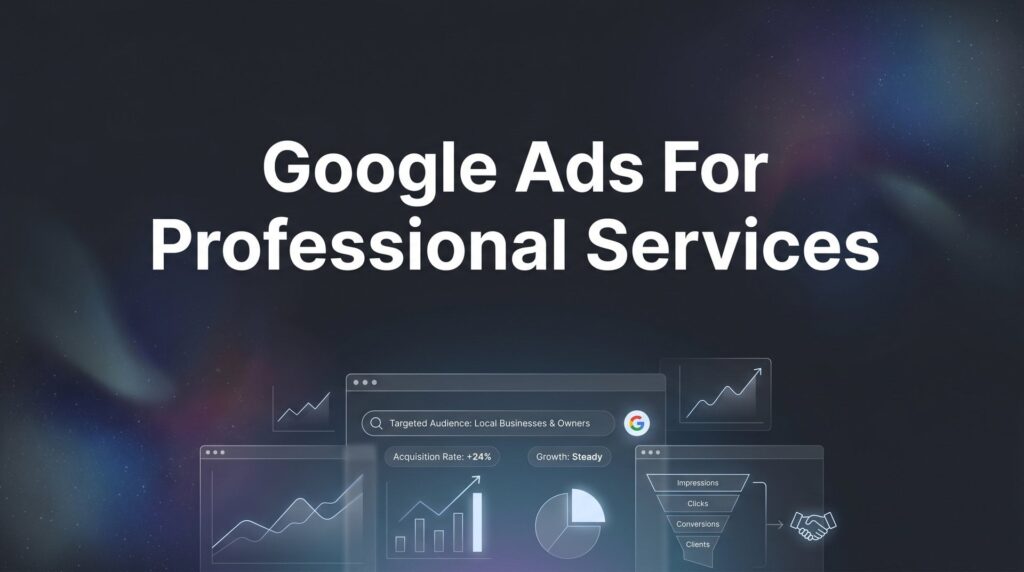
Most marketing advice sounds good on paper but fails to deliver measurable returns. Business owners pour money into tactics that generate vanity metrics—likes, impressions, clicks—while their bank accounts tell a different story. The truth is, high-ROI marketing isn’t about doing more; it’s about doing what actually converts strangers into paying customers.
This guide cuts through the noise to reveal the marketing strategies that consistently deliver the strongest return on investment for local businesses. These aren’t theoretical concepts—they’re battle-tested approaches that turn marketing spend into revenue. Whether you’re working with a tight budget or ready to scale, these strategies will help you stop guessing and start growing.
1. Pay-Per-Click Advertising with Conversion-Focused Landing Pages
The Challenge It Solves
You need customers now, not six months from now. Most marketing channels require months of patience before they produce results, but your business needs cash flow today. PPC advertising solves the immediate revenue problem by putting your offer in front of people actively searching for what you sell—right when they’re ready to buy.
The Strategy Explained
PPC advertising works because you’re only paying when someone clicks your ad, and you’re targeting people who’ve already demonstrated purchase intent by typing specific search queries. The key difference between profitable PPC and wasted budget is what happens after the click. Sending traffic to your homepage is like inviting someone to a sales meeting and then wandering off—you’ve paid for their attention but failed to guide them toward action.
Conversion-focused landing pages eliminate distractions and create a single, clear path to conversion. Every element—headline, copy, images, form—exists to move visitors toward one specific action. When you combine targeted ads with optimized landing pages, you create a system where every dollar spent can be traced directly to revenue generated. This is the foundation of performance marketing that delivers measurable results.
Implementation Steps
1. Start with high-intent keywords where people are searching for solutions, not information—think “emergency plumber Chicago” rather than “how to fix a leaky faucet.”
2. Build dedicated landing pages for each service or offer with headlines that match your ad copy, clear value propositions, and prominent call-to-action buttons.
3. Set up conversion tracking to measure exactly which keywords and ads produce paying customers, then ruthlessly cut what doesn’t work and double down on what does.
Pro Tips
Start with a small daily budget and focus on your most profitable service first. Many businesses spread their budget too thin across multiple campaigns and never get enough data to optimize. Test your landing page with organic traffic before spending money on ads—if it doesn’t convert free traffic, paid traffic won’t save it.
2. Email Marketing Automation for Customer Lifetime Value
The Challenge It Solves
You’re constantly chasing new customers while your existing leads and past customers sit idle. Most businesses focus exclusively on acquisition, leaving money on the table from people who’ve already shown interest or bought before. Email automation solves the “out of sight, out of mind” problem by maintaining relationships without manual effort.
The Strategy Explained
Email marketing automation works because it nurtures leads systematically and keeps your business top-of-mind with past customers. When someone downloads a guide, requests a quote, or makes a purchase, they enter automated sequences that deliver value over time. These sequences educate prospects who aren’t ready to buy yet, follow up with leads who went cold, and bring previous customers back for repeat business. Choosing the right email marketing software is critical to making this work efficiently.
The power lies in the compounding effect. Once you build these sequences, they run automatically for every new lead. A welcome series that converts 15% of leads continues working month after month without additional effort. An abandoned cart sequence that recovers 20% of lost sales runs 24/7. A post-purchase sequence that generates repeat orders builds customer lifetime value while you sleep.
Implementation Steps
1. Build a welcome sequence for new subscribers that delivers immediate value, establishes your expertise, and introduces your core offer over 5-7 emails.
2. Create a lead nurture sequence for people who showed interest but didn’t buy, addressing common objections and showcasing results over 2-3 weeks.
3. Set up a win-back campaign for past customers who haven’t purchased recently, offering exclusive deals or highlighting new services they haven’t tried.
Pro Tips
Don’t overcomplicate your first automation sequences. Three simple sequences—welcome, nurture, and win-back—will outperform doing nothing by a massive margin. Focus on one sequence at a time, get it working, then add the next. Use plain-text emails that feel personal rather than heavily designed templates that scream “marketing blast.” For a deeper dive into building sequences that convert, explore email marketing for lead generation strategies.
3. Local SEO Domination for Service-Based Businesses
The Challenge It Solves
Your ideal customers are searching for your services right now in your area, but they’re finding your competitors instead. Local searches have incredibly high intent—someone searching “roof repair near me” needs a roofer today, not next month. Missing these searches means losing ready-to-buy customers to whoever shows up first.
The Strategy Explained
Local SEO captures these high-intent searches by optimizing your Google Business Profile and creating location-specific content that signals relevance to search engines. When someone searches for a service in your area, Google prioritizes businesses with complete profiles, positive reviews, and content that matches the search intent. The businesses that dominate local search aren’t necessarily the biggest—they’re the ones that consistently signal local relevance.
What makes local SEO particularly valuable is the compounding nature of the investment. Unlike paid ads that stop working when you stop paying, local SEO builds momentum over time. Each review, each piece of local content, each citation strengthens your position. Six months of consistent effort can create a traffic source that delivers leads for years. This is especially powerful for businesses following a digital marketing strategy for home services.
Implementation Steps
1. Claim and fully optimize your Google Business Profile with accurate information, service descriptions, regular posts, and high-quality photos of your work.
2. Systematically request reviews from satisfied customers immediately after completing work, making it easy with direct links to your review page.
3. Create location-specific service pages and blog content that targets “[service] in [city]” searches, including local landmarks and neighborhood names.
Pro Tips
Respond to every review, positive or negative, within 24 hours. Google notices engagement and rewards it with better visibility. Take photos of every job you complete and add them to your profile—visual content significantly improves engagement and conversion rates. Don’t just list your services; explain what makes your approach different in each location you serve.
4. Retargeting Campaigns That Recover Lost Opportunities
The Challenge It Solves
Only a small percentage of website visitors convert on their first visit. The rest leave—sometimes because they got distracted, sometimes because they’re comparing options, sometimes because they need more time to decide. Without retargeting, these visitors disappear forever, taking their interest and your marketing investment with them.
The Strategy Explained
Retargeting works by showing ads to people who’ve already visited your website, keeping your business visible while they’re making their decision. These campaigns are remarkably effective because you’re advertising to a warm audience that’s already familiar with your brand. Someone who visited your pricing page or spent time on a service description is far more likely to convert than a cold prospect.
The key is segmenting your retargeting audiences based on behavior. Someone who visited your homepage once needs different messaging than someone who viewed your pricing page three times. Someone who abandoned a quote request needs a different approach than someone who just read a blog post. Smart retargeting matches the message to the visitor’s level of intent. This is a core component of any effective multi channel marketing strategy.
Implementation Steps
1. Install Facebook Pixel and Google Ads remarketing tag on your website to start building audiences of past visitors immediately.
2. Create separate audiences for high-intent pages like pricing, services, and contact forms versus low-intent pages like blog posts or about pages.
3. Design ad campaigns that address specific objections or offer incentives based on what page they visited—limited-time discounts for pricing page visitors, case studies for service page visitors, educational content for blog readers.
Pro Tips
Set frequency caps to avoid annoying people with too many ads—seeing your ad 3-5 times per week is persistent, seeing it 20 times is creepy. Use dynamic retargeting to show people the specific services they viewed rather than generic ads. Exclude people who already converted so you’re not wasting budget advertising to existing customers.
5. Conversion Rate Optimization Before Scaling Traffic
The Challenge It Solves
You’re spending money to drive traffic to a website that converts poorly. Doubling your traffic budget when your site converts at 2% just means you’re wasting twice as much money. The math is brutal: improving your conversion rate from 2% to 4% doubles your results without spending another dollar on traffic. Yet most businesses obsess over getting more visitors while ignoring the leak in their bucket.
The Strategy Explained
CRO focuses on improving the percentage of visitors who take your desired action—requesting a quote, calling your business, making a purchase. Small improvements in conversion rate create massive improvements in ROI because they multiply the effectiveness of every marketing dollar you spend. A 20% improvement in conversion rate is equivalent to a 20% increase in traffic, but it costs nothing beyond the testing and optimization work. This is why conversion focused marketing services have become essential for growth-minded businesses.
The process involves identifying where visitors drop off, understanding why they’re leaving, and testing changes that remove friction and build trust. Sometimes the fix is simple—a clearer headline, a more prominent phone number, faster page load speed. Other times it requires deeper changes like restructuring your offer or addressing objections more effectively.
Implementation Steps
1. Install heat mapping and session recording tools to watch how real visitors interact with your site and identify where they get confused or frustrated.
2. Analyze your conversion funnel to find the biggest drop-off points—if 80% of people leave on your pricing page, that’s where to focus first.
3. Test one change at a time with clear hypotheses: “Adding customer testimonials above the fold will increase trust and improve conversion by 15%.”
Pro Tips
Start with quick wins that don’t require development work—clearer headlines, better call-to-action copy, adding trust signals like guarantees or certifications. Don’t test multiple things simultaneously unless you have massive traffic; you’ll never know what actually worked. Focus on pages that already get traffic rather than optimizing pages no one visits. If you’re struggling to identify what’s broken, a digital marketing audit can reveal hidden opportunities.
6. Strategic Referral Programs That Leverage Happy Customers
The Challenge It Solves
Your best customers would happily recommend you to friends and colleagues, but they rarely think to do it spontaneously. Meanwhile, you’re spending significant money acquiring new customers through paid channels when your existing customers could be generating high-quality leads for free. The problem isn’t that customers won’t refer—it’s that you haven’t made it easy or given them a reason to do it now.
The Strategy Explained
Referral programs systematize word-of-mouth by giving customers a clear incentive and an easy process to recommend your business. The leads generated through referrals convert at higher rates and have higher lifetime value because they come with built-in trust. When someone’s friend recommends your business, you skip the entire “building credibility” phase of the sales process. This ties directly into effective customer retention marketing strategies that maximize lifetime value.
The most effective referral programs offer value to both the referrer and the new customer. Your existing customer gets rewarded for the referral, and their friend gets a special offer for being referred. This creates a win-win-win situation that motivates action and makes the referral feel like a favor rather than a sales pitch.
Implementation Steps
1. Create a simple referral offer that provides clear value—”Refer a friend and you both get $100 off your next service” or “Get a free upgrade when someone you refer becomes a customer.”
2. Ask for referrals at the moment of maximum satisfaction—right after you’ve delivered exceptional results, received a glowing review, or completed a successful project.
3. Make the referral process effortless with a dedicated landing page, pre-written email templates, or unique referral links that customers can share in seconds.
Pro Tips
Don’t wait for customers to remember to refer people—proactively ask your best customers for introductions to specific people they know who might benefit from your services. Send quarterly referral reminders to your customer list highlighting the program and any recent success stories. Track which customers generate the most referrals and give them extra attention; they’re your unofficial sales team.
7. Content Marketing Focused on Bottom-of-Funnel Keywords
The Challenge It Solves
Most content marketing focuses on top-of-funnel topics that attract massive traffic but rarely convert. You write articles that rank well and generate clicks, but the visitors aren’t ready to buy. They’re still learning, still comparing, still months away from making a decision. Meanwhile, people actively searching for solutions and ready to hire someone are finding your competitors.
The Strategy Explained
Bottom-of-funnel content targets people at the end of their buying journey—they know what they need, they’re comparing options, and they’re ready to make a decision soon. These searches have lower volume but dramatically higher conversion rates because the intent is crystal clear. Someone searching “best CRM for real estate teams under 20 agents” isn’t casually browsing; they’re actively evaluating solutions.
This content takes the form of comparison pages, buying guides, service-specific landing pages, and “best of” articles that help buyers make informed decisions. The goal isn’t to educate from scratch—it’s to position your solution as the obvious choice for their specific situation. You’re not building awareness; you’re capturing demand that already exists. Understanding the difference between performance marketing and traditional marketing helps you prioritize these high-intent opportunities.
Implementation Steps
1. Identify bottom-of-funnel keywords in your industry—searches that include “best,” “vs,” “comparison,” “cost,” “pricing,” or your competitors’ names.
2. Create comprehensive content that directly addresses the comparison or decision the searcher is trying to make, including honest pros and cons that build credibility.
3. Include clear calls-to-action that match the buying stage—quote requests, consultations, or demos rather than newsletter signups or educational downloads.
Pro Tips
Don’t be afraid to create content comparing your services to competitors—these comparison searches have incredibly high commercial intent. Be honest about where competitors excel; it builds trust and makes your advantages more credible. Update this content regularly as your services and competitors evolve to maintain rankings and relevance.
Putting These High-ROI Strategies Into Action
The businesses that win with marketing aren’t doing everything—they’re doing the right things exceptionally well. Your implementation priority should match your current situation and immediate needs.
If you need results quickly and have budget to invest, start with PPC advertising and conversion rate optimization. These strategies deliver immediate, measurable returns and create a foundation for everything else. Get your conversion funnel working profitably before you scale any other traffic source. Learning how to track marketing ROI ensures you can measure what’s actually working.
For long-term, compounding returns, prioritize local SEO and email marketing automation. These take longer to build momentum but create assets that continue delivering value for years. Every piece of content, every review, every automated sequence becomes part of a system that works while you focus on serving customers.
To maximize what you already have, implement retargeting campaigns and referral programs. These strategies leverage your existing traffic and customer base rather than requiring new acquisition. They’re often the fastest path to improved ROI because you’re capturing value that’s currently being left on the table.
Start with one strategy, implement it properly, measure the results, and then expand. The biggest mistake is trying to do all seven simultaneously and executing none of them well. Master one channel before adding the next.
Tired of spending money on marketing that doesn’t produce real revenue? We build lead systems that turn traffic into qualified leads and measurable sales growth. If you want to see what this would look like for your business, we’ll walk you through how it works and break down what’s realistic in your market.
Want More Leads for Your Business?
Most agencies chase clicks, impressions, and “traffic.” Clicks Geek builds lead systems. We uncover where prospects are dropping off, where your budget is being wasted, and which channels will actually produce ROI for your business, then we build and manage the strategy for you.