Choosing the wrong PPC agency can drain your marketing budget faster than a leaky faucet drains your water bill. With hundreds of agencies claiming to be “the best,” local business owners face a genuine challenge: how do you cut through the marketing speak and find an agency that will actually deliver results?
The stakes are high. A poor choice means wasted ad spend, missed opportunities, and months of frustration before you realize you need to start over.
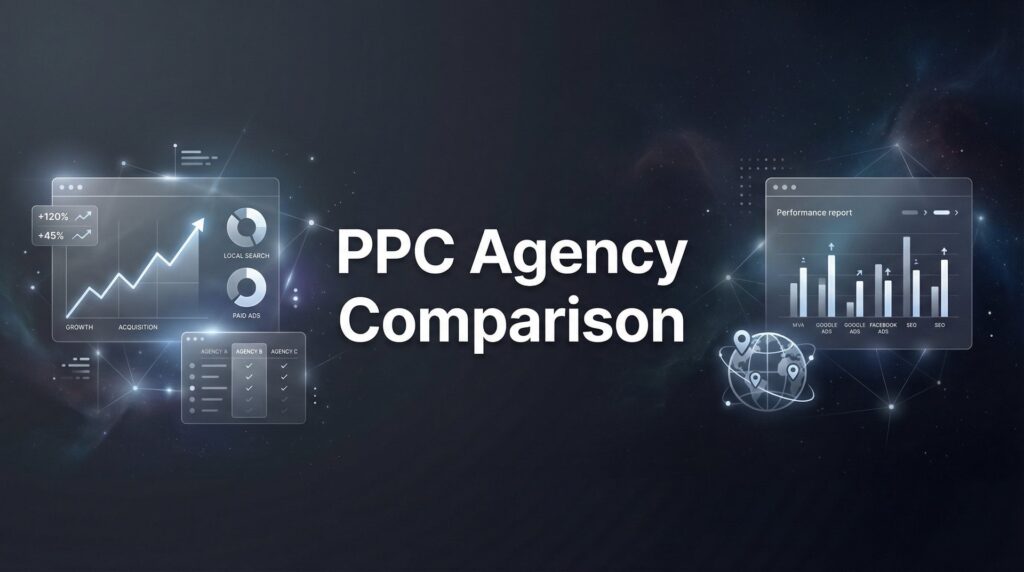
This guide gives you a systematic framework for comparing PPC agencies so you can make a confident, informed decision. We’ll cover the specific criteria that separate results-driven agencies from those that just talk a good game, helping you identify the partner that will actually move the needle for your business.
1. Verify Industry-Specific Experience and Case Studies
The Challenge It Solves
Generic PPC experience doesn’t translate to results in your specific market. An agency that crushes it for e-commerce might struggle with local service businesses. Every industry has unique customer behaviors, buying cycles, and competitive landscapes that require specialized knowledge.
When an agency lacks industry-specific experience, you become their learning experiment. They’ll burn through your budget figuring out what works in your market while you wait for results that may never materialize.
The Strategy Explained
Look for agencies that can demonstrate proven results in your specific industry with documented case studies. These shouldn’t be vague success stories but detailed accounts with named clients (when possible), specific challenges addressed, and measurable outcomes achieved.
Pay attention to the depth of their industry knowledge during initial conversations. Do they understand your customer’s buying journey? Can they speak intelligently about your competitors? Do they ask insightful questions about your business model?
The best agencies will have portfolio examples that mirror your business type. If you run a dental practice, they should show results from other healthcare providers. If you’re in HVAC, they need proven experience with home service businesses.
Implementation Steps
1. Request 3-5 case studies from businesses similar to yours, looking for specific metrics like cost per lead, conversion rates, and ROI rather than just traffic increases or impression counts.
2. Ask for client references you can actually contact, then follow up with questions about results, communication quality, and whether they’d hire the agency again.
3. Evaluate whether their case studies focus on business outcomes (revenue, qualified leads, customer acquisition cost) or vanity metrics (clicks, impressions, reach).
Pro Tips
Be skeptical of agencies that won’t share any client names or results. While confidentiality agreements exist, quality agencies can usually provide at least some verifiable success stories. Also watch for case studies that are years old—digital marketing evolves rapidly, and recent results matter more than what they achieved five years ago.
2. Evaluate Certification and Partnership Status
The Challenge It Solves
The PPC landscape is crowded with self-proclaimed experts who lack fundamental platform knowledge. Without proper vetting, you might hire an agency that doesn’t understand the technical nuances of campaign optimization, bidding strategies, or platform updates.
Certifications and partnership status provide a baseline indicator of competency and commitment to staying current with platform changes. They’re not everything, but they separate agencies that invest in professional development from those winging it.
The Strategy Explained
Google’s Partner program has multiple tiers, with Premier Partner status representing the top tier of certified agencies. This designation requires agencies to meet specific spending thresholds, maintain certified team members, and demonstrate campaign performance across their client base.
Premier Partners have direct access to Google support teams and early information about platform updates. Understanding the Google Partner agency benefits can help you evaluate whether this certification matters for your needs.
However, partnership status alone doesn’t guarantee results. Some agencies chase certifications for marketing purposes while delivering mediocre outcomes. Use certifications as one filter in your evaluation process, not the deciding factor.
Implementation Steps
1. Verify Google Partner or Premier Partner status directly through Google’s partner directory rather than trusting badges on their website.
2. Ask which team members are certified and whether the person managing your account holds current certifications.
3. Inquire about other relevant certifications like Facebook Blueprint, Microsoft Advertising accreditation, or specialized training in conversion optimization.
Pro Tips
Premier Partner status is publicly verifiable and requires ongoing performance standards, making it more meaningful than one-time certifications. Ask agencies how long they’ve held their partnership status—consistent long-term partnerships indicate sustained performance across multiple clients.
3. Analyze Reporting and Transparency Practices
The Challenge It Solves
Many business owners have been burned by agencies that hide behind vague reports filled with impressive-looking but meaningless numbers. Without clear, honest reporting, you can’t evaluate whether your investment is working or make informed decisions about your marketing budget.
Transparency issues often mask deeper problems. Agencies that won’t share full account access or provide detailed performance data usually have something to hide—whether that’s poor results, inefficient spending, or lack of actual optimization work.
The Strategy Explained
Quality agencies provide comprehensive reporting that connects advertising metrics to actual business outcomes. You should receive regular reports that show not just how many clicks you got, but how those clicks translated into leads, sales, or other meaningful conversions.
Full account access is non-negotiable. The Google Ads account should be in your name, with the agency operating as an authorized user. This ensures you maintain ownership of your campaign data, conversion tracking, and historical performance even if you change agencies.
Reporting frequency and format matter too. Monthly reports are standard, but responsive agencies provide dashboard access for real-time performance monitoring and are available to discuss results whenever questions arise. Watch out for hidden fees from marketing agencies that charge extra for detailed reporting.
Implementation Steps
1. Request sample reports during the evaluation process to see exactly what metrics they track and how they present performance data.
2. Confirm that you’ll receive admin access to your Google Ads account with the agency operating as a user rather than owning the account.
3. Ask about their reporting schedule, whether they provide dashboard access between formal reports, and how quickly they respond to performance questions.
Pro Tips
Red flags include agencies that insist on creating accounts under their own business name, those that won’t provide login credentials, or those whose reports focus heavily on impressions and clicks while glossing over conversion data. If an agency resists giving you full account access, walk away.
4. Assess Conversion Tracking and Attribution Approach
The Challenge It Solves
Clicks mean nothing if they don’t generate business results. Too many agencies optimize for metrics that look good in reports but don’t correlate with actual revenue. Without proper conversion tracking and attribution, you’re flying blind—spending money without knowing what’s working.
The attribution challenge is particularly critical for businesses with longer sales cycles or multiple touchpoints. If your agency can’t track the customer journey from first click to final purchase, they’re optimizing based on incomplete data.
The Strategy Explained
Results-focused agencies prioritize conversion tracking setup from day one. They implement comprehensive tracking that captures not just form submissions or phone calls, but the quality of those leads and whether they convert to paying customers.
Advanced agencies go further by implementing conversion value tracking, which assigns dollar amounts to different conversion actions. Understanding conversion optimization agency pricing helps you budget for these essential services.
Their attribution approach should acknowledge the complexity of modern customer journeys. Quality agencies understand that the last click doesn’t tell the whole story and use attribution models that give appropriate credit to different touchpoints in the conversion path.
Implementation Steps
1. Ask specifically how they’ll track conversions for your business type, including phone calls, form submissions, online purchases, or other relevant actions.
2. Inquire about their approach to tracking conversion quality, not just quantity—do they help distinguish between qualified leads and tire kickers?
3. Discuss their attribution methodology and how they account for assisted conversions and multi-touch customer journeys.
Pro Tips
The best agencies want to integrate with your CRM or sales system to track conversions through to closed deals. This closed-loop tracking reveals true ROI and enables optimization based on actual business outcomes rather than proxy metrics. If an agency seems satisfied tracking just form fills without caring what happens after, that’s a warning sign.
5. Compare Pricing Models and Contract Terms
The Challenge It Solves
PPC agency pricing varies wildly, and understanding the true cost of engagement protects you from budget surprises and unfavorable commitments. Some pricing models align agency incentives with your success, while others create conflicts of interest.
Contract terms can lock you into relationships that aren’t working or make it prohibitively expensive to switch agencies. Without careful evaluation, you might commit to terms that favor the agency at your expense.
The Strategy Explained
Common agency pricing models include flat monthly fees, percentage of ad spend, and hybrid approaches. Flat fees provide predictable costs but may not scale appropriately with campaign complexity. Percentage-of-spend models align some incentives but can encourage agencies to recommend higher budgets than necessary.
Typical percentage-of-spend arrangements range from 10-20% of your monthly ad budget, though this varies based on budget size and service scope. For a detailed breakdown, review marketing agency fees explained to understand what you’re actually paying for.
Contract length represents another critical consideration. Some agencies require 6-12 month commitments, while others offer month-to-month arrangements. Longer commitments aren’t inherently bad if the agency has proven results, but they increase risk when starting a new relationship.
Implementation Steps
1. Get detailed pricing breakdowns from each agency, including management fees, setup costs, and any additional charges for reporting, landing pages, or other services.
2. Calculate the total cost across different budget scenarios to understand how fees scale as your advertising investment grows.
3. Review contract terms carefully, noting commitment length, cancellation policies, and what happens to your account assets if you leave.
Pro Tips
Negotiate contract terms before signing. Many agencies will agree to shorter initial commitments or more favorable cancellation terms for the right client. Consider agencies offering a marketing agency no long term contract arrangement to reduce your risk. Also clarify what’s included in the base fee—some agencies charge extra for services like landing page creation or conversion tracking setup that should be standard.
6. Test Communication and Responsiveness
The Challenge It Solves
The sales process reveals how an agency will treat you as a client. Agencies that are slow to respond, vague in their answers, or pushy during the courtship phase rarely improve once you’ve signed the contract. Poor communication leads to misaligned expectations, delayed optimizations, and frustrating client relationships.
You need an agency that views you as a partner, not just another account number. The quality of communication during evaluation predicts the quality of the ongoing relationship.
The Strategy Explained
Pay attention to response times during initial outreach. Do they reply to emails promptly? Do they show up on time for scheduled calls? Do they come prepared with thoughtful questions about your business?
Evaluate the depth of their discovery process. Quality agencies invest time understanding your business model, target customers, competitive landscape, and growth goals before proposing solutions. If they’re pitching services without asking substantive questions, that’s a red flag.
Notice whether they listen or just pitch. The best agency relationships are collaborative, with the agency bringing expertise while respecting your knowledge of your business and customers. Agencies that dismiss your input or insist their way is the only way create frustrating partnerships.
Implementation Steps
1. Track response times and communication quality throughout the evaluation process, noting whether they follow through on commitments and deadlines.
2. Ask about their typical client communication cadence, who will be your main point of contact, and how quickly they typically respond to questions or concerns.
3. Request to meet or speak with the actual team members who would manage your account, not just the sales representative. Understanding how to hire a digital marketing agency that delivers results starts with evaluating their communication style.
Pro Tips
Test their responsiveness by asking detailed questions via email. Quality agencies provide thoughtful, comprehensive answers rather than vague responses or requests to “jump on a call” for everything. Also ask current clients about communication quality—sales teams are always responsive, but account management teams reveal the true client experience.
7. Request a Strategy Preview or Audit
The Challenge It Solves
Generic proposals tell you nothing about an agency’s actual strategic thinking or whether they understand your specific situation. Without seeing their approach in action, you’re making a decision based on marketing promises rather than demonstrated capability.
Many agencies can talk a good game but struggle to deliver strategic insights when pressed for specifics. A strategy preview or audit separates agencies that do the work from those that just talk about it.
The Strategy Explained
Request a preliminary strategy session or audit of your current PPC efforts (if you’re already running campaigns). Quality agencies will invest time demonstrating their strategic thinking to win your business.
A meaningful strategy preview should include specific recommendations for your business, not generic best practices that apply to everyone. They should identify opportunities in your market, suggest targeting approaches, and explain their optimization methodology.
For existing campaigns, a thorough audit reveals wasted spend, missed opportunities, and strategic gaps. The audit process also demonstrates the agency’s analytical capabilities and attention to detail—skills that directly translate to ongoing campaign management. A performance based marketing agency will often provide more detailed audits since their compensation depends on results.
Implementation Steps
1. Ask for a complimentary strategy session or campaign audit as part of the evaluation process, providing necessary access to current campaigns if applicable.
2. Evaluate whether their recommendations are specific to your business or could apply to any company in your industry.
3. Assess the depth of their analysis—do they just point out obvious issues or provide insights that demonstrate sophisticated understanding?
Pro Tips
Be wary of agencies that refuse to provide any strategic preview without a signed contract. While they shouldn’t give away comprehensive strategies for free, quality agencies are confident enough to demonstrate their thinking. Also compare the strategic approaches across multiple agencies—this reveals who brings unique insights versus who recycles the same generic advice.
Building Your Agency Comparison Framework
You now have seven concrete strategies for evaluating PPC agencies, but the real power comes from systematically applying them to create your own comparison scorecard.
Start by weighting these criteria based on your specific priorities. If you’re in a specialized industry, industry experience might carry more weight. If you’ve been burned by poor communication before, responsiveness becomes critical. If budget predictability matters most, pricing models and contract terms deserve extra attention.
Create a simple scoring system for each agency you evaluate. Rate them on each criterion, apply your weightings, and let the data guide your decision. This removes emotion from the process and ensures you’re making a choice based on factors that actually predict success.
Remember that the right agency relationship is a partnership, not just a vendor transaction. You’re not buying a service—you’re selecting a team that will become an extension of your business, managing significant marketing investments and directly impacting your growth trajectory.
The agencies that score highest on this framework share common traits: they prioritize business outcomes over vanity metrics, they communicate transparently, they bring industry-specific expertise, and they’re confident enough to demonstrate their strategic thinking before you commit.
Take your time with this decision. Rushing into the wrong agency relationship costs far more than the few extra weeks spent doing thorough evaluation. Use these strategies to cut through the marketing hype and identify partners who will actually deliver the results your business needs.
Tired of spending money on marketing that doesn’t produce real revenue? We build lead systems that turn traffic into qualified leads and measurable sales growth. If you want to see what this would look like for your business, we’ll walk you through how it works and break down what’s realistic in your market.
Want More Leads for Your Business?
Most agencies chase clicks, impressions, and “traffic.” Clicks Geek builds lead systems. We uncover where prospects are dropping off, where your budget is being wasted, and which channels will actually produce ROI for your business, then we build and manage the strategy for you.