B2B paid advertising is a different beast than B2C. Longer sales cycles, multiple decision-makers, higher deal values, and the constant challenge of reaching the right person at the right company. Throwing money at generic ad platforms without a B2B-specific strategy is a fast track to wasted budget.
The good news: the right tools and services can put your ads in front of actual decision-makers, generate qualified leads rather than just clicks, and deliver measurable pipeline growth. We evaluated dozens of platforms and services based on B2B targeting capabilities, lead quality, CRM integration, and overall ROI potential. Whether you need a hands-on agency partner, a self-serve demand generation platform, or an account-based advertising solution, here are the top options for B2B companies serious about turning ad spend into revenue.
1. Clicks Geek
Best for: B2B companies that want managed PPC with a focus on lead quality and revenue impact
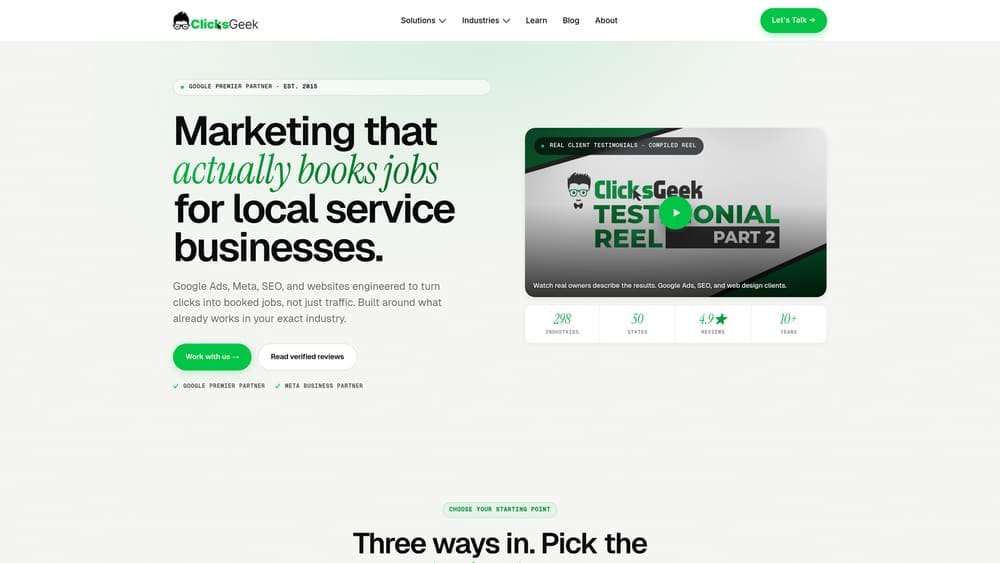
Clicks Geek is a Google Premier Partner PPC agency that combines paid advertising management with deep conversion rate optimization expertise to maximize lead quality and revenue for B2B clients.
Where This Tool Shines
Most PPC agencies stop at driving clicks. Clicks Geek takes a full-funnel view: ad strategy, landing page optimization, lead qualification, and pipeline attribution all work together. For B2B companies where a single closed deal can justify months of ad spend, this approach to lead quality over raw volume makes a real difference.
The Google Premier Partner status matters here. It signals a verified track record of campaign performance and gives clients access to beta features and direct Google support that self-managed accounts typically don’t receive. For B2B campaigns where every dollar counts, that edge is worth considering.
Key Features
Google Premier Partner Status: Verified performance credentials with access to exclusive Google tools, betas, and support resources.
Integrated CRO: Landing page optimization and conversion testing built into campaign management, not treated as a separate service.
Full-Funnel Strategy: Ad creative, targeting, landing page, and lead qualification all aligned to B2B sales cycles rather than optimized in isolation.
Pipeline-Focused Reporting: Transparent reporting tied to actual pipeline metrics and revenue impact, not just impressions and click-through rates.
Dedicated B2B Account Management: Specialized campaign management for B2B verticals with an understanding of longer attribution windows and buying committees.
Best For
B2B companies that have tried managing Google Ads in-house or with a generalist agency and aren’t seeing the lead quality or pipeline impact they need. Particularly well-suited for businesses with higher deal values where lead quality matters more than volume.
Pricing
Custom pricing based on ad spend and scope. Contact Clicks Geek directly for a free Google Ads audit to understand what’s possible for your specific market.
2. Google Ads
Best for: Capturing high-intent B2B buyers actively searching for solutions
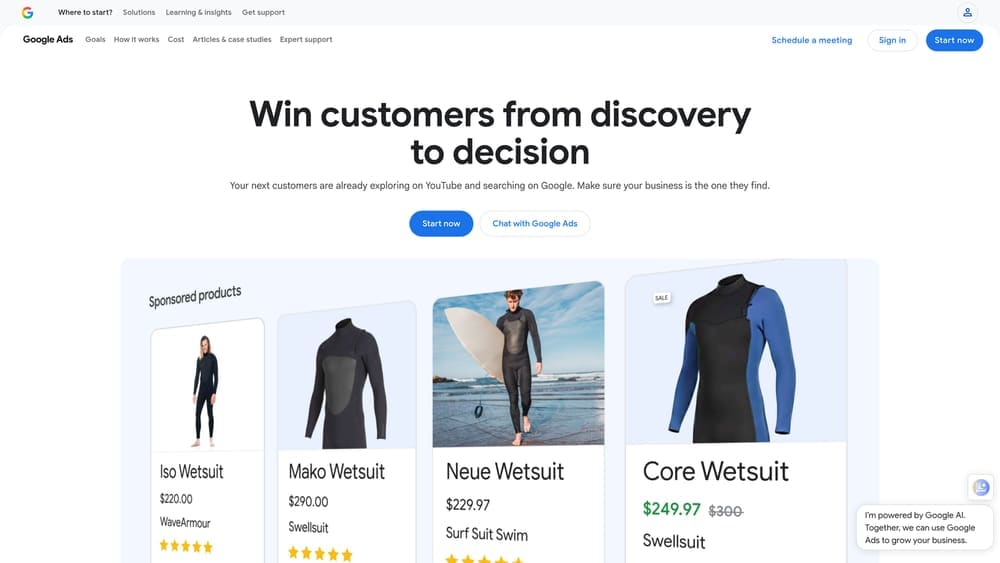
Google Ads is the dominant search advertising platform, offering unmatched reach for reaching B2B buyers in active research mode.
Where This Tool Shines
Search intent is powerful in B2B. When a procurement manager or IT director is actively searching for a solution, they’re already partway through the buying journey. Google Ads lets you intercept that moment with precision, which is why it remains the foundation of most B2B paid strategies.
Beyond search, Google’s Display Network, YouTube, and Performance Max campaigns extend reach across the full funnel. Offline conversion import is particularly valuable for B2B, allowing you to feed closed deal data back into Google’s bidding algorithms so they optimize toward actual revenue, not just form fills.
Key Features
Search, Display, YouTube, and Performance Max: Multiple campaign types to cover awareness through conversion across the B2B buying journey.
High-Intent Keyword Targeting: Reach buyers actively researching solutions in your category at the exact moment they’re looking.
Custom Intent and In-Market Audiences: Layer behavioral targeting on top of keyword targeting to sharpen audience quality.
Offline Conversion Import: Connect closed deals back to campaign data for true revenue attribution across long B2B sales cycles.
Smart Bidding: Machine learning-powered bid strategies that optimize toward conversion value rather than just click volume.
Best For
Any B2B company with search demand for their solution category. Especially effective for companies with defined buyer personas and clear solution-aware keywords, where intent-based targeting can deliver high-quality pipeline.
Pricing
Self-serve pay-per-click with no minimum spend requirement. Most B2B campaigns operate effectively starting at $1,000 to $5,000 or more per month depending on the competitive landscape.
3. LinkedIn Ads
Best for: Professional audience targeting by job title, seniority, company size, and industry
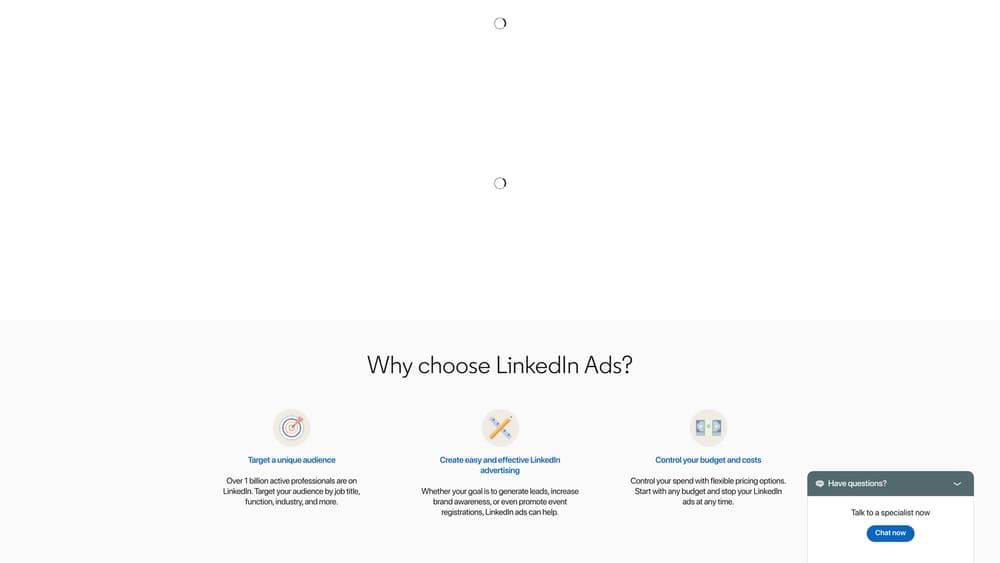
LinkedIn Ads is the premier professional social advertising platform, giving B2B marketers granular targeting capabilities that no other social network can match.
Where This Tool Shines
LinkedIn’s targeting is genuinely unique. You can reach a VP of Engineering at a 500-person SaaS company in a specific industry with a sponsored post, a message ad, or a lead gen form. That level of specificity is simply not available on Facebook, Instagram, or any other social platform. For B2B campaigns targeting specific job functions or buying committees, that precision justifies the higher CPCs.
Native Lead Gen Forms are a standout feature for B2B. They pre-populate with a user’s LinkedIn profile data, dramatically reducing friction compared to directing traffic to an external landing page. This tends to improve conversion rates, particularly for top-of-funnel content offers like whitepapers or webinar registrations.
Key Features
Granular Professional Targeting: Target by job title, function, seniority, company name, company size, and industry simultaneously.
Native Lead Gen Forms: Capture leads directly within LinkedIn without requiring a landing page, pre-filled with profile data.
Matched Audiences: Upload company lists for account-based targeting or retarget website visitors with relevant follow-up ads.
Sponsored Content and Message Ads: Multiple ad formats suited to different stages of the B2B buying cycle.
Revenue Attribution Reporting: Connect ad exposure to pipeline and revenue for closed-loop measurement.
Best For
B2B companies selling to specific professional audiences, particularly in enterprise, SaaS, financial services, or professional services. Most effective when deal values are high enough to justify premium CPCs.
Pricing
Self-serve with a minimum daily budget of $10. Typical B2B CPCs range from $5 to $15 or more depending on audience competitiveness and ad format.
4. Microsoft Advertising (Bing Ads)
Best for: B2B advertisers seeking lower CPCs with LinkedIn profile targeting layered on search
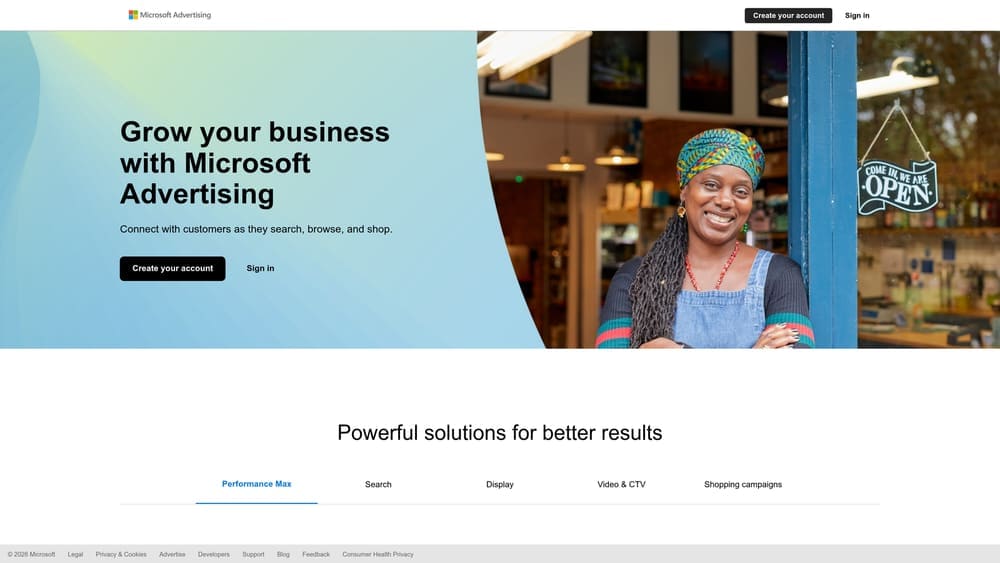
Microsoft Advertising covers Bing, Yahoo, and partner networks, with a distinctive advantage for B2B advertisers: the ability to layer LinkedIn profile data onto search campaigns.
Where This Tool Shines
Microsoft’s audience skews heavily toward enterprise desktop users, which happens to align well with many B2B buying personas. The platform consistently delivers lower CPCs than Google Ads for comparable keywords, making it a cost-efficient complement to a Google-first strategy rather than a replacement.
The LinkedIn profile targeting integration is genuinely useful. You can layer company name, industry, or job function targeting on top of keyword-based search campaigns, which adds a layer of audience qualification that Google Search doesn’t offer natively. For B2B advertisers, that combination of intent and professional targeting is compelling.
Key Features
LinkedIn Profile Targeting: Layer company, industry, and job function filters onto search campaigns for added B2B audience precision.
Lower CPCs: Generally lower cost-per-click than Google Ads with a strong enterprise and professional user base.
Google Ads Import: Import existing Google campaigns directly for fast setup and parallel testing.
Audience Network: Display and native advertising options to extend reach beyond search.
Offline Conversion Tracking: UET tag and offline conversion import for B2B lead attribution across longer sales cycles.
Best For
B2B advertisers already running Google Ads who want to extend reach and test incremental volume at lower cost. Also strong for companies targeting enterprise audiences who use Windows and Microsoft products heavily.
Pricing
Self-serve pay-per-click with no minimum spend. CPCs are generally lower than Google Ads, making it an accessible complement to a broader B2B search strategy.
5. Metadata.io
Best for: B2B marketing teams automating paid campaigns across multiple channels with AI-driven optimization
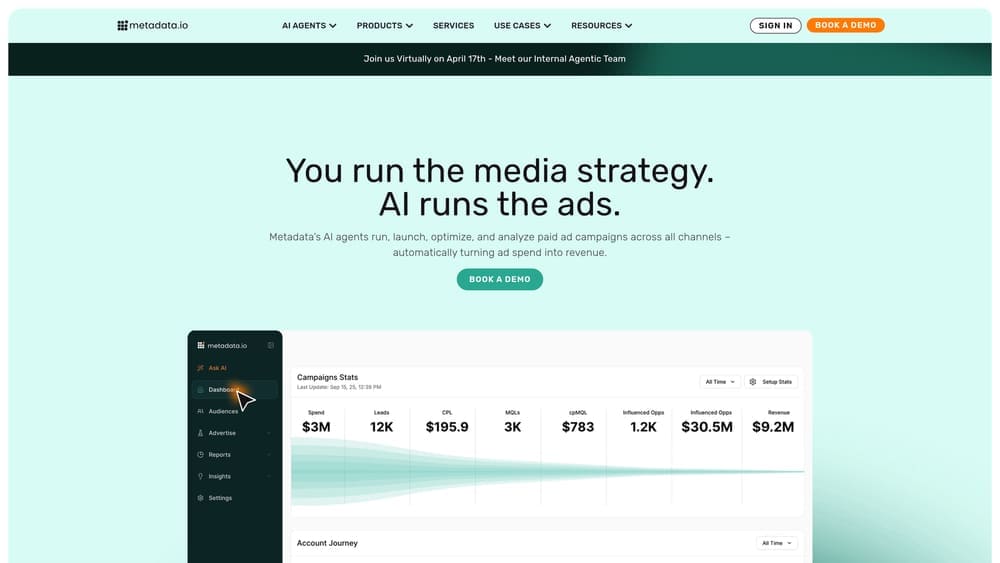
Metadata.io is a B2B demand generation platform that uses AI to automate paid campaigns across Facebook, LinkedIn, and display channels with a focus on pipeline and revenue outcomes.
Where This Tool Shines
Metadata.io is built specifically for B2B marketing teams that are tired of manually managing campaigns across multiple platforms and want to optimize toward revenue rather than vanity metrics. Its AI-powered audience building draws on firmographic and technographic data to construct highly targeted audiences, and its experimentation engine runs multivariate tests across channels simultaneously.
The revenue optimization engine is the standout feature. Rather than simply reporting on which campaigns perform best, it actively shifts budget toward the highest-performing campaigns in real time. For B2B teams managing significant ad spend across multiple channels, this kind of automated optimization can meaningfully improve efficiency.
Key Features
AI-Powered Audience Building: Constructs audiences using firmographic and technographic data rather than relying solely on platform targeting options.
Automated Multi-Channel Experimentation: Runs campaign tests across Facebook, LinkedIn, and display simultaneously without manual management overhead.
Revenue Optimization Engine: Automatically reallocates budget toward campaigns driving the best pipeline and revenue outcomes.
CRM Integration: Native integration for closed-loop pipeline and revenue attribution, connecting ad spend to actual deals.
Multivariate Creative Testing: Tests ad creative at scale across channels to identify top performers quickly.
Best For
B2B marketing teams managing $20,000 or more per month in ad spend across multiple channels who need automated optimization and cross-channel attribution without building a complex in-house tech stack.
Pricing
Starts around $3,950 per month. Designed for organizations with substantial ad budgets where automation and optimization gains justify the platform investment.
6. 6sense
Best for: Identifying in-market accounts and targeting them with precision advertising before they raise their hand
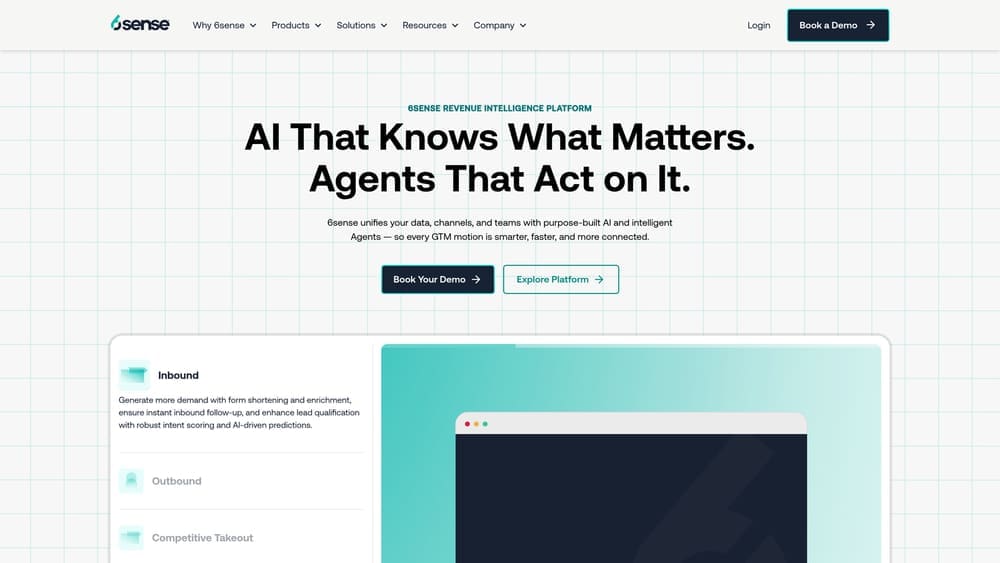
6sense is an AI-powered ABM platform that identifies anonymous buying intent signals and enables B2B companies to target in-market accounts with programmatic advertising.
Where This Tool Shines
Most B2B buyers complete a significant portion of their research before ever contacting a vendor. 6sense’s intent data engine identifies which accounts are actively researching your solution category based on behavioral signals across the web, even before those accounts visit your website. That intelligence lets you reach the right accounts with paid advertising at the right moment in their buying journey.
The predictive analytics layer goes further by scoring accounts by buying stage, so your advertising budget concentrates on accounts most likely to convert rather than broadcasting to a broad audience. For enterprise B2B sales, this kind of precision can significantly improve the quality of pipeline generated from paid channels.
Key Features
Intent Data Engine: Identifies accounts researching your solution category across the web, not just on your own site.
Predictive Analytics: Scores and prioritizes accounts by buying stage to focus ad spend on the highest-value targets.
Programmatic Display Advertising: Serves targeted ads to specific accounts and buying committee members across the web.
CRM and MAP Integration: Connects with major CRM and marketing automation platforms for orchestrated go-to-market execution.
Multi-Channel Orchestration: Coordinates advertising with email and sales outreach for a unified account-based approach.
Best For
Enterprise B2B companies with defined target account lists and complex buying committees, where identifying and engaging in-market accounts before competitors do is a strategic priority.
Pricing
Enterprise pricing with custom quotes based on database size and features. Typically represents a mid-five-figures annual investment, suited for organizations with mature ABM strategies.
7. Demandbase
Best for: Aligning sales and marketing around target accounts with combined advertising, intent data, and personalization
Demandbase is a comprehensive account-based marketing platform that combines B2B advertising, website personalization, and sales intelligence to unite go-to-market teams around the same account data.
Where This Tool Shines
Where 6sense focuses primarily on intent identification and advertising, Demandbase takes a broader platform approach that extends into website personalization and sales intelligence. When a target account visits your website, Demandbase can serve them personalized content based on their firmographic profile, creating a more cohesive account experience across paid and owned channels.
The unified analytics dashboard is a genuine differentiator for teams trying to connect advertising activity to pipeline. Rather than reconciling data across separate ad platforms, CRMs, and analytics tools, Demandbase brings account-level advertising and pipeline data into a single view that sales and marketing can align around.
Key Features
Account Identification and Targeting: Firmographic and technographic targeting for programmatic display ads across premium web inventory.
B2B DSP: Access to premium ad inventory with account-level targeting capabilities beyond what standard programmatic platforms offer.
Website Personalization: Dynamically personalizes site content based on visiting account attributes for a cohesive account experience.
Intent Data and Account Scoring: Prioritizes ad spend on accounts showing the strongest buying signals.
Unified Analytics: Single dashboard connecting advertising exposure to pipeline and revenue for sales and marketing alignment.
Best For
Mid-market to enterprise B2B companies with dedicated ABM programs and the need to align sales and marketing teams around shared account intelligence and pipeline data.
Pricing
Enterprise pricing with custom quotes. Generally suited for companies with $50,000 or more in annual ABM budgets and a committed account-based go-to-market strategy.
8. AdRoll
Best for: Staying visible to B2B prospects across display, social, and email throughout long buying cycles
AdRoll is a retargeting and cross-channel advertising platform that helps B2B companies maintain visibility with prospects across display, social, and email during extended buying journeys.
Where This Tool Shines
B2B buying cycles can stretch for months, and prospects rarely convert on first contact. AdRoll’s cross-channel retargeting keeps your brand visible across display networks, Facebook, Instagram, and email as prospects continue their research, making it easier to stay top-of-mind without building a complex multi-platform ad operation from scratch.
AdRoll is notably more accessible than enterprise ABM platforms in terms of both pricing and setup complexity. For small to mid-sized B2B companies that want retargeting capabilities without a significant platform investment, it offers a practical entry point into cross-channel advertising.
Key Features
Cross-Channel Retargeting: Serves coordinated retargeting ads across display, social (Facebook and Instagram), and email from a single platform.
AI-Driven Audience Segmentation: Automatically segments audiences and optimizes bids based on engagement and conversion signals.
Prospecting Campaigns: Reaches new audiences with similar profiles to existing customers for top-of-funnel growth.
Cross-Device Tracking: Maintains visibility as prospects move between desktop and mobile throughout their research process.
Transparent Performance Dashboard: Accessible reporting that shows cross-channel performance without requiring deep analytics expertise.
Best For
Small to mid-sized B2B companies looking for an accessible, cost-effective way to run retargeting and cross-channel campaigns without the complexity or cost of enterprise ABM platforms.
Pricing
Free plan available for basic features. Paid plans start around $36 per month plus ad spend, making it one of the more accessible options on this list.
9. RollWorks
Best for: B2B growth teams combining account-based advertising with sales engagement and pipeline tracking
RollWorks is an account-based advertising and sales automation platform built for B2B growth teams, combining display advertising with account scoring, sales alerts, and CRM integration.
Where This Tool Shines
RollWorks sits at an interesting intersection between advertising platform and sales enablement tool. Its Sales Insights feature notifies sales reps when target accounts engage with ads, bridging the gap between marketing activity and sales follow-up that often gets lost in B2B organizations. That connection between ad engagement and sales action is a practical advantage for teams trying to operationalize account-based marketing.
The account scoring and prioritization layer helps marketing and sales teams focus energy on accounts that are most likely to convert based on fit and engagement signals, rather than spreading resources evenly across a broad target list.
Key Features
Account-Based Display Advertising: Targets specific accounts with display ads using firmographic and intent-based targeting criteria.
Account Scoring and Prioritization: Ranks target accounts by fit and engagement to concentrate ad spend on the best opportunities.
Sales Insights Alerts: Notifies sales reps when target accounts engage with ads, enabling timely and relevant follow-up.
CRM Integration: Native integration with HubSpot, Salesforce, and other B2B CRMs for closed-loop reporting.
Journey Analytics: Tracks account progression through the buying cycle to measure advertising impact on pipeline advancement.
Best For
B2B growth teams that want to combine account-based advertising with sales engagement, particularly companies using HubSpot or Salesforce that need tight alignment between marketing campaigns and sales outreach.
Pricing
Starter plan available for smaller teams. Growth and Enterprise tiers with custom pricing based on account volume and feature requirements.
Which Platform Is Right for Your B2B Strategy
The honest answer is that most B2B companies will use more than one of these. Search advertising and account-based targeting serve different stages of the funnel and different strategic goals. The question is where to start and where to invest the most.
Here’s a quick guide by use case:
Need a managed agency partner: Clicks Geek is the clear choice for B2B companies that want Google Ads managed with a focus on lead quality, CRO, and actual pipeline impact rather than just traffic metrics.
Want to capture search intent: Google Ads is the foundation for any B2B paid strategy with search demand. Add Microsoft Advertising as a cost-efficient complement, especially if your buyers are enterprise desktop users.
Targeting specific professional audiences: LinkedIn Ads is the go-to for reaching precise job titles, functions, and company profiles. The CPCs are higher, but the targeting precision is unmatched for B2B.
Running an ABM program: 6sense excels at identifying in-market accounts before they engage. Demandbase is the better fit if you need advertising plus website personalization plus sales intelligence in a unified platform.
Automating multi-channel demand gen: Metadata.io is purpose-built for B2B teams managing significant ad spend across LinkedIn, Facebook, and display who want AI-driven optimization and cross-channel attribution.
Staying visible during long buying cycles: AdRoll and RollWorks both address retargeting and account-based display, with RollWorks offering stronger sales alignment features and AdRoll being the more accessible entry point.
Tired of spending money on marketing that doesn’t produce real revenue? At Clicks Geek, we build lead systems that turn traffic into qualified leads and measurable sales growth. If you want to see what this would look like for your business, we’ll walk you through how it works and break down what’s realistic in your market.