You’re probably here because someone told you Google Maps is free money and someone else told you Local Service Ads are the fastest way to get the phone ringing. They’re both right. They’re also both leaving out the part that matters most: which one is right for your business, right now, given your review count, your budget, and how urgently you need calls.
This isn’t a “one beats the other” breakdown. On a Google search results page for “ac repair near me,” LSAs appear at the top, the Map Pack sits below them, and standard Search Ads fill the space in between. These channels share the same page. The question is where your next dollar produces the best return given where you are today.
We’ll cover both channels in detail, along with every other major platform HVAC contractors use to generate leads, so you can build a clear picture of your options. Before you get into the channel comparison, it’s worth understanding the cost and return side first. Our breakdowns of Google Maps optimization cost for HVAC and Google Maps ROI for HVAC give you the numbers behind the strategy.
1. Google Business Profile (Google Maps Organic)
Best for: HVAC contractors building a sustainable, low-CPL lead source over 6-12 months
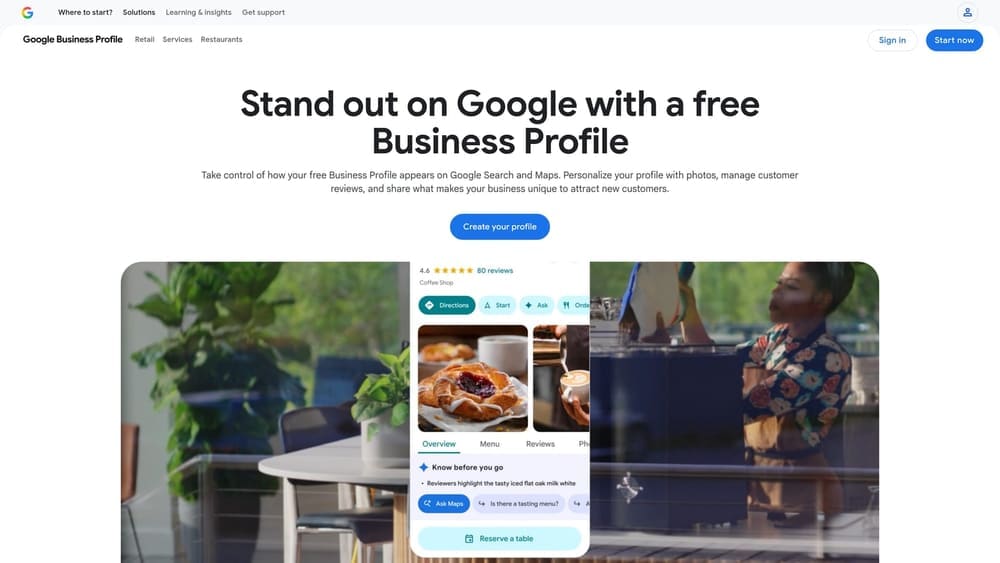
Google Business Profile is the free local listing that powers the Map Pack, the three-result block that appears above standard organic results for local HVAC queries like “ac repair near me” or “furnace repair [city].”
Where This Tool Shines
The Map Pack captures roughly 42% of local clicks, which makes it the most valuable real estate on a local search results page. For HVAC contractors who have put in the work to rank there, the economics are hard to beat. At the 12-month mark, CPL from Local SEO can reach $7-15, the most cost-efficient lead source in local HVAC marketing when the channel is working.
The catch is that “when it’s working” qualifier. You won’t see meaningful lead volume in week one or even month one. Most HVAC companies start seeing real traction at the 3-6 month mark. To get there, you need consistent review generation, accurate NAP data across directories, and regular GBP activity. Review count is a primary ranking factor. In most markets, contractors with fewer than 10-15 reviews won’t rank competitively. See our posts on Map Pack competition for HVAC and how many reviews you need to rank for HVAC for the specific thresholds in your market.
Key Features
No cost-per-click: Leads come from organic ranking, so there’s no direct spend attached to each call or form submission.
Map Pack placement: Appears above standard organic results for local HVAC queries, capturing the highest-intent searchers on the page.
Review signals: Review count, velocity, and recency are primary ranking factors. Generating reviews consistently is not optional.
Profile completeness: GBP posts, Q&A, service listings, photos, and category selection all contribute to ranking strength and conversion rate once someone clicks.
Call tracking integration: Third-party tools connect GBP to call tracking, so you can measure CPL accurately rather than guessing.
Best For
HVAC contractors who have at least 3-6 months before they need the channel to produce volume, who can commit to a review generation process, and who want to build a lead source that compounds over time. This is the foundation of any long-term local marketing strategy, not a replacement for paid channels during the ramp period.
Pricing
Free to create and maintain. Optimization time, review tools, and citation management have associated costs. See our full breakdown at Google Maps optimization cost for HVAC.
2. Google Local Service Ads (LSAs)
Best for: HVAC contractors who need calls quickly and have licensing and insurance documentation ready
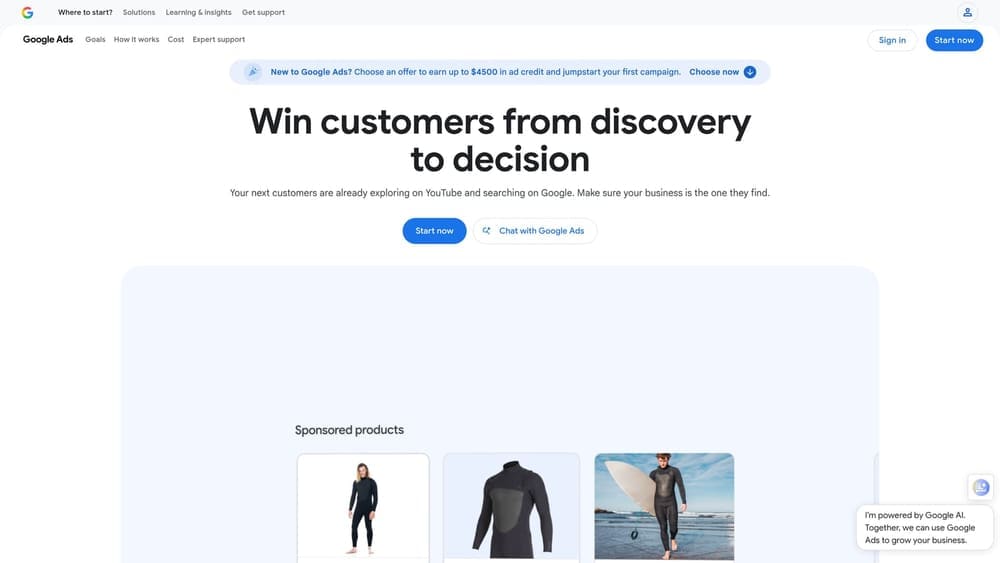
Google Local Service Ads are Google’s pay-per-lead product for service businesses, appearing above both standard Search Ads and the Map Pack for high-intent HVAC queries.
Where This Tool Shines
Speed is the main argument for LSAs. Once your profile is verified and funded, calls can come in within days. There’s no 90-day ramp, no review threshold to clear first. For a new HVAC company or one entering a new service area, that matters. The Google Guaranteed badge displayed in the ad also does real work: homeowners calling about a broken furnace in January are not browsing casually, and a verified, badged listing reduces friction at the moment of decision.
The pay-per-lead model removes one layer of waste compared to standard PPC. You’re not paying for clicks from people who bounced after seeing your phone number. You can also dispute leads that don’t qualify, such as wrong service type, spam calls, or calls where no service was needed. That said, Google controls the lead price, and in competitive HVAC markets during peak season, those prices move. You have less control over cost than you do with standard Search Ads, and ad copy control is limited compared to standard PPC.
Key Features
Pay-per-lead model: You pay for leads, not clicks, which removes the click-without-call waste that standard PPC can produce.
Google Guaranteed badge: Displayed directly in results after passing Google’s background check, license verification, and insurance documentation process.
Top-of-page placement: LSAs appear above the Map Pack and standard Search Ads, making them the first thing a searcher sees.
Lead dispute process: Contractors can dispute leads that don’t meet quality criteria, including wrong service type or spam calls.
Weekly budget caps: Set a weekly spend limit so costs don’t run away during a busy week.
Best For
HVAC contractors who need calls fast, have their licensing and insurance documentation in order, and want a simpler paid channel than standard Search Ads. Also strong for contractors running Maps and Search Ads who want to dominate the top of the search results page by occupying multiple positions simultaneously.
Pricing
Pay-per-lead. Google sets lead prices by market and job type. HVAC lead costs vary by geography and season; in competitive markets during peak periods, costs can be meaningful. No monthly minimum is required, but consistent budget is needed to maintain ad visibility and ranking within the LSA system.
3. Google Search Ads (Standard PPC)
Best for: HVAC contractors who want keyword-level control and can commit $1,500+/month in spend
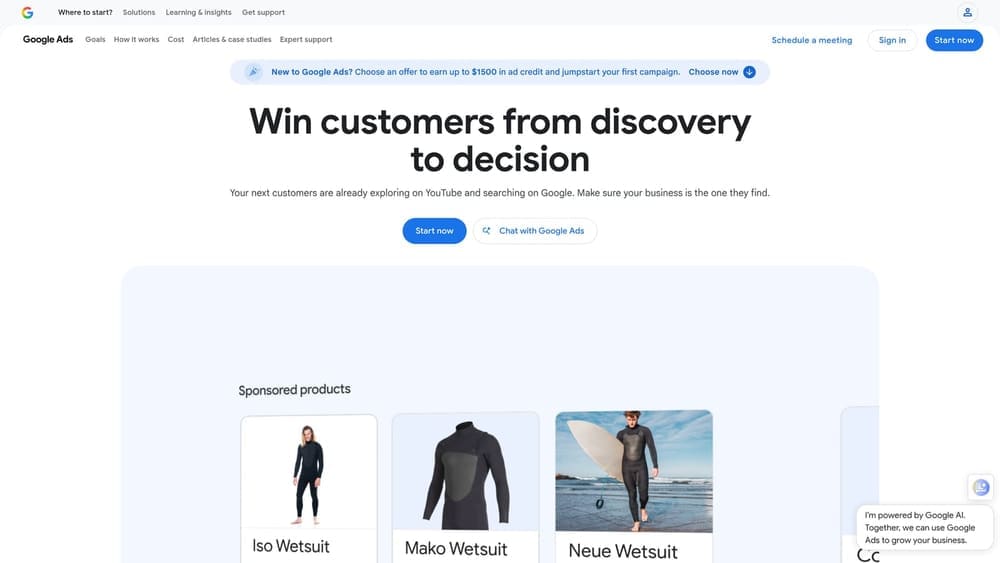
Google Search Ads give HVAC contractors the most granular control of any channel on this list, including the ability to separate emergency, replacement, and maintenance queries and bid on each differently.
Where This Tool Shines
HVAC search behavior is not uniform. “AC not working” at 10pm in July is a completely different buyer than “new AC unit cost” in April. Standard Search Ads let you recognize that difference and act on it. You can bid aggressively on emergency repair terms, set more conservative bids on research queries, and exclude terms that generate clicks but not jobs. That level of control doesn’t exist in LSAs or Maps.
The ramp time is 30-90 days to fully optimize, but you can generate calls from day one. The requirement is a real budget and proper conversion tracking that ties spend to booked jobs, not just clicks or calls. Without that tracking, you’re flying blind. With it, you can identify which keywords produce $5,000 system replacements versus $100 tune-ups and allocate budget accordingly.
Key Features
Keyword-level targeting: Separate campaigns for emergency repair, replacement, and maintenance queries with different bids for each.
Full ad copy control: Write your own headlines, descriptions, and use assets (formerly extensions) for calls, locations, and promotions.
Smart Bidding: Target CPA and maximize conversions strategies optimize toward booked calls once enough conversion data exists, typically after 30-60 days.
Geo-targeting precision: Target by radius, city, zip code, or exclude specific areas where you don’t want jobs.
Call tracking integration: GA4 and third-party call tracking connect ad spend directly to CPL measurement.
Best For
HVAC contractors with a real marketing budget, typically $1,500/month or more in spend to gather actionable data in most markets, and the discipline to track conversions properly. Also the right channel for contractors who want to target specific job types, such as high-ticket system replacements, rather than all HVAC queries equally.
Pricing
Pay-per-click. CPCs vary by market and keyword. Home services CPL averages $18-35 using Clicks Geek benchmarks. Minimum recommended spend is $1,500/month to generate enough data for optimization.
4. Yelp for Business
Best for: HVAC contractors in major metros where Yelp pages rank prominently in Google organic results
Yelp for Business runs a cost-per-click ad model with category and location targeting. Its relevance for HVAC contractors varies significantly by market.
Where This Tool Shines
In larger cities and many Western US metros, Yelp pages rank on page one of Google’s organic results for HVAC queries. That means your Yelp presence matters even if you’re not paying for ads there, because homeowners will find your Yelp page whether you manage it or not. In those markets, a strong Yelp profile with reviews and accurate information functions as a trust signal for buyers who check multiple sources before calling.
The paid ad product is a different calculation. Before spending on Yelp ads, check whether Yelp pages appear in the first page of Google results for your main HVAC keywords in your service area. If they do, paid visibility on that page is worth evaluating. If Yelp isn’t showing up in your market’s search results, the ad spend is harder to justify against channels that are already producing.
Key Features
CPC model with category targeting: Ads target HVAC searchers specifically within Yelp’s platform and category pages.
Google organic presence: Yelp pages frequently rank in Google results for HVAC queries in major metros, extending your reach beyond Yelp’s own traffic.
Review platform: Yelp reviews function as a trust signal for buyers comparing contractors before calling.
Public review responses: Responses to reviews are visible to prospects, which means how you handle a bad review matters as much as the review itself.
Daily spend caps: Budget controls prevent overspend on any given day.
Best For
HVAC contractors in larger markets where Yelp pages are visibly ranking in Google search results. Worth maintaining a free, accurate profile in any market. Paid ads are most defensible in metros with strong Yelp organic presence.
Pricing
Pay-per-click. Costs vary by market and category. No minimum spend required, but meaningful lead volume typically requires a consistent daily budget.
5. Angi and HomeAdvisor
Best for: HVAC companies with fast follow-up processes looking to fill schedule gaps while organic channels ramp up
Angi (formerly Angie’s List) and HomeAdvisor operate under the same parent company and use a shared-lead model where homeowner requests are sold to multiple contractors simultaneously.
Where This Tool Shines
Speed-to-answer wins on these platforms. When a homeowner submits an HVAC request, that lead typically goes to three to five contractors at the same time. The contractor who calls back first wins the job most often. For companies with someone available to answer calls immediately and a solid follow-up process, these platforms can fill schedule gaps while Google Maps and Search Ads are ramping up.
That’s the strongest use case. Treat these platforms as a volume supplement during slow periods or while building your organic presence, not as a primary channel. The shared-lead model means you’re paying for leads your competitors also received, and lead quality complaints are common among HVAC contractors on these platforms.
Key Features
Shared leads by request: Leads are sold to multiple contractors per homeowner request, typically three to five simultaneously.
HVAC category coverage: Covers repair, replacement, and maintenance job types across most US markets.
Membership tiers: Different tiers offer varying levels of lead access and profile visibility.
Background check display: Verified contractor status and reviews are displayed on profiles.
Lead credits: Disputed or invalid leads can be credited back through the platform’s process.
Best For
HVAC companies with a fast answer process, someone available to pick up the phone immediately, and a CRM to manage follow-up. Best used as a gap-filler rather than a primary lead source.
Pricing
Lead costs vary by job type and market. Annual membership fees apply. Total budget varies widely based on lead volume and category selection.
6. Thumbtack
Best for: HVAC contractors targeting planned maintenance and installation work rather than emergency calls
Thumbtack differs from Angi in one meaningful way: contractors see the job request before deciding whether to respond. That gives you control over which leads you pursue.
Where This Tool Shines
The ability to review a job before committing to quote it is genuinely useful. You can filter out low-ticket requests, out-of-area jobs, or job types you don’t want to take on. That’s not something you get on Angi or HomeAdvisor, where leads arrive and you’re already paying.
Thumbtack tends to attract homeowners planning work rather than homeowners in crisis. Someone searching for an HVAC tune-up, a system evaluation before summer, or a non-emergency replacement is more likely to find you on Thumbtack than someone whose AC stopped working at noon on a Saturday. That makes it a reasonable secondary channel for filling maintenance capacity, but not the right tool for capturing emergency calls.
Key Features
Pre-quote visibility: Contractors see job details before deciding to respond, allowing selective lead pursuit.
Planned work focus: Strong for tune-ups, system evaluations, and non-emergency installations where homeowners are shopping ahead of time.
Promote feature: Increases profile visibility in category searches for contractors who want more exposure.
Direct messaging: Communicate with prospects before committing to a quote or booking.
Review display: Platform reviews build credibility for homeowners comparing contractors.
Best For
HVAC companies that want to fill maintenance and planned installation capacity. Not a strong fit for emergency call volume. Works best as a secondary channel alongside a primary lead source.
Pricing
Pay-per-lead when you respond to a quote request. Lead prices vary by job type and market. The Promote feature carries additional cost for increased visibility.
7. Facebook and Instagram Ads
Best for: HVAC contractors running seasonal promotions, maintenance plan offers, or financing campaigns to homeowners
Facebook and Instagram Ads work differently from every other channel on this list, and that difference determines when they make sense for HVAC.
Where This Tool Shines
Every other channel here captures demand from people already searching for HVAC help. Facebook creates demand by putting an offer in front of people who weren’t actively looking. That’s not a flaw; it’s just a different job. Seasonal promotions work well on Facebook because you can target homeowners by geography, home ownership status, and household income. A spring AC tune-up special, a fall furnace checkup offer, or a financing promotion on system replacements can reach the right audience before they’re in crisis mode.
The leads require more follow-up than search-intent leads. Someone who filled out a Facebook lead form for a tune-up special is not the same as someone who called after searching “AC repair near me.” You need a CRM and a follow-up sequence to convert Facebook leads at a reasonable rate. CPL runs $10-25 for home services on Facebook. If you don’t have a follow-up process, this channel will disappoint you.
Key Features
Audience targeting: Target by location, homeownership status, demographics, and interests to reach likely HVAC buyers.
Lead form ads: Capture name, phone, and email without the prospect leaving the platform, reducing friction for planned-work inquiries.
Retargeting: Reach website visitors who didn’t convert, keeping your brand visible to homeowners who were researching but didn’t call.
Seasonal promotion fit: Strong for spring AC campaigns, fall heating checkups, and financing offers on system replacements.
Instagram placement: Extends reach to younger homeowner demographics through the same campaign setup.
Best For
HVAC contractors with a CRM, a follow-up process, and a specific offer to promote. Best for seasonal campaigns and maintenance plan acquisition. Not the right tool for capturing emergency calls. Most HVAC campaigns need $500+/month to gather meaningful data.
Pricing
CPL typically $10-25 for home services. Minimum effective budget varies by market and campaign objective.
8. Clicks Geek HVAC Marketing Management
Best for: HVAC contractors who want all channels managed by a team that already knows what works in this vertical
Clicks Geek is a Google Premier Partner and Meta Business Partner that has managed HVAC marketing campaigns since 2015, across all 50 states.
Where This Tool Shines
The problem most HVAC contractors run into isn’t choosing the wrong channel. It’s running multiple channels without knowing which one is actually producing booked jobs. You’re paying for LSAs, running Search Ads, and maybe boosting posts on Facebook, but the reporting from each platform tells you about clicks and leads, not revenue. That’s the first thing Clicks Geek addresses: attribution clarity before adding more budget.
The HVAC-specific playbook is built from over $100 million in managed ad spend and more than 10,000 campaigns. The account structures, bid strategies, negative keyword lists, and targeting approaches for HVAC are already tested and refined. You’re not paying for a team to figure out your vertical from scratch. There are no lock-in contracts, which means the relationship continues because results continue. For HVAC contractors who want to understand what their Google Maps lead quality for HVAC actually looks like compared to paid channels, that analysis is part of the engagement.
Key Features
Google Premier Partner status: HVAC-specific campaign playbooks built from $100M+ in managed spend across 10,000+ campaigns.
Full channel management: Google Maps optimization, LSA management, Search Ads, and Facebook campaigns handled by one team.
Attribution reporting: Reporting ties spend to booked jobs, not just leads or clicks, so you know which channels are producing revenue.
No lock-in contracts: Month-to-month engagement means results are what keeps the relationship going.
National reach: Active in all 50 states with market-specific knowledge across 298 industries.
Best For
HVAC contractors spending money across multiple channels without clear attribution, companies entering new markets, and contractors who want a team with proven HVAC-specific experience rather than a generalist agency learning the vertical on their budget.
Pricing
Custom pricing based on channels managed and market size. No long-term contracts required. Spend benchmark: 8-12% of revenue on marketing is the Clicks Geek guideline for local service businesses.
Which Channel Fits Your Situation Right Now
Here’s how to think about this without overcomplicating it.
If you need calls within the next two weeks, LSAs are your fastest path. Get your licensing and insurance documentation together, complete the Google Guaranteed verification, fund the account, and you can be live quickly. Pair that with Search Ads if you have the budget and want keyword-level control from day one.
If you’re building for the next 12 months, Google Business Profile is non-negotiable. The $7-15 CPL that Local SEO produces at the 12-month mark is the best economics in local HVAC marketing. But it requires consistent review generation, profile maintenance, and patience during the ramp period. It’s not a replacement for paid channels while it’s building; it’s what you’re building toward.
If you have seasonal promotions or want to grow a maintenance plan customer base, Facebook is worth testing at $500+/month with a real follow-up process. Lead aggregators like Angi and Thumbtack can fill schedule gaps, but treat them as supplements, not foundations.
The most common mistake is running all of these simultaneously without knowing which one is producing revenue. Before adding budget to any channel, get your attribution right. You need to know whether the call that turned into a $7,000 system replacement came from your LSA, your Map Pack listing, or a Facebook ad you ran three weeks ago.
For a deeper look at what advertising options make sense for your specific market, see our breakdown of the best way to advertise HVAC.
If you’re spending money across multiple channels and aren’t sure what’s actually driving booked jobs, that’s the conversation worth having. If you want to see what this would look like for your business, we’ll walk you through how it works and break down what’s realistic in your market. No pressure, no pitch deck. Just a clear picture of where your next dollar should go.