Google Ads is powerful, no question. But if you’ve ever watched your cost-per-click creep upward while a national franchise with a million-dollar budget outbids you on every keyword, you already know the frustration. For local businesses, Google Ads can feel like showing up to a knife fight and discovering everyone else brought artillery.
Here’s the thing: Google Ads doesn’t have to be your only option, and for many local businesses, it probably shouldn’t be. Rising competition, complex campaign management, and unpredictable costs are real problems. The solution isn’t necessarily to spend more on Google. Sometimes it’s to spend smarter across multiple channels.
Diversifying your advertising across platforms does three things. It reduces your dependency on a single channel. It opens up audiences who aren’t actively searching on Google right now but are still potential customers. And it often lowers your overall cost per lead by finding pockets of less competitive, more affordable inventory.
Whether you’re looking to stretch a tight budget further, supplement existing campaigns, or explore entirely new channels, the eight alternatives below offer real, measurable ways to generate leads. Some are paid platforms, some are organic strategies, and some blend both. Every one of them has proven its value for local businesses focused on customer acquisition and return on investment.
1. Microsoft Advertising (Bing Ads)
The Challenge It Solves
Google Ads competition has intensified in most local service categories. More advertisers bidding on the same keywords drives up costs, squeezes margins, and makes it harder for smaller businesses to compete. You need search advertising that reaches buyers with intent, but without the auction war that Google’s popularity creates.
The Strategy Explained
Microsoft Advertising serves ads across Bing, Yahoo, and AOL search networks. The audience is smaller than Google’s, but that’s exactly what makes it valuable: less competition typically means lower cost-per-click for the same buyer intent. The Bing audience also skews toward desktop users and older demographics, which happens to align well with many local service industries like home improvement, legal services, and healthcare.
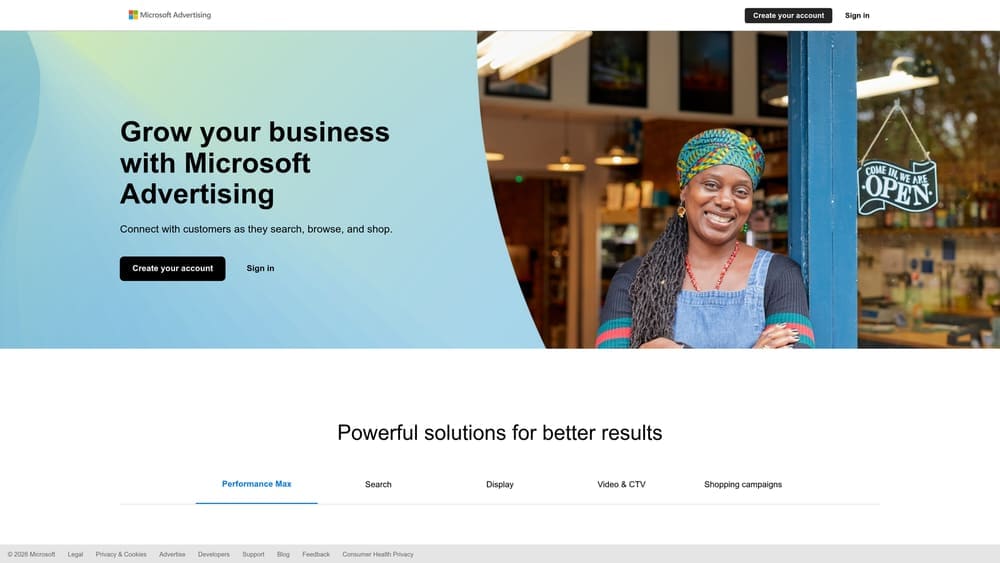
The practical appeal here is the setup time. Microsoft Advertising allows you to import campaigns directly from Google Ads, which means you can be live on a second search network in hours rather than days. You’re essentially duplicating what’s already working and reaching a new audience segment at a lower cost.
Implementation Steps
1. Create a Microsoft Advertising account at ads.microsoft.com and use the Google Ads import tool to pull in your existing campaigns.
2. Review imported campaigns for any adjustments needed, particularly bid amounts, since CPCs may differ from Google.
3. Set a modest initial budget to test performance, then scale spend based on actual lead cost data after 30 days.
Pro Tips
Don’t just set it and forget it after importing. Check your search term reports regularly, as Bing’s audience can trigger slightly different query patterns. If you’re looking to get the most from your existing campaigns before expanding, consider reviewing the best Google Ads optimization services to ensure your foundation is solid before duplicating to Bing.
2. Facebook and Instagram Ads
The Challenge It Solves
Search advertising only reaches people who are already actively looking for what you offer. But most of your potential customers spend time on social media before they ever type a search query. If you’re only advertising on search, you’re invisible to people in the awareness stage, which means competitors who show up on social can influence buying decisions before the search even happens.
The Strategy Explained
Meta’s advertising platform gives you granular control over who sees your ads based on location, age, household income, homeownership status, interests, and behaviors. For local businesses, this means you can target people within a specific radius of your location, or even target specific zip codes where your ideal customers live.
The key difference from search advertising is intent. You’re not reaching people who are searching right now. You’re reaching the right people before they search, which means your creative has to do more work. Strong visuals, a clear value proposition, and a compelling offer matter more here than they do in search.
Implementation Steps
1. Set up a Meta Business Suite account and connect your Facebook page and Instagram profile.
2. Define your audience using location radius or zip code targeting, combined with demographic filters relevant to your ideal customer.
3. Create a lead generation campaign using Meta’s native lead forms or a landing page, and test at least two different ad creatives to identify what resonates.
Pro Tips
Retargeting is where Facebook advertising often delivers its strongest results for local businesses. Install the Meta Pixel on your website and create custom audiences from website visitors. People who’ve already visited your site are far more likely to convert than cold audiences, and retargeting campaigns typically cost less per click as well.
3. Local SEO
The Challenge It Solves
Paid advertising stops the moment you stop paying. Every click costs money, and if your budget runs dry, so does your lead flow. Local businesses need a foundation of visibility that doesn’t require a daily ad spend to maintain, especially in categories where organic search results still drive a significant share of buyer decisions.
The Strategy Explained
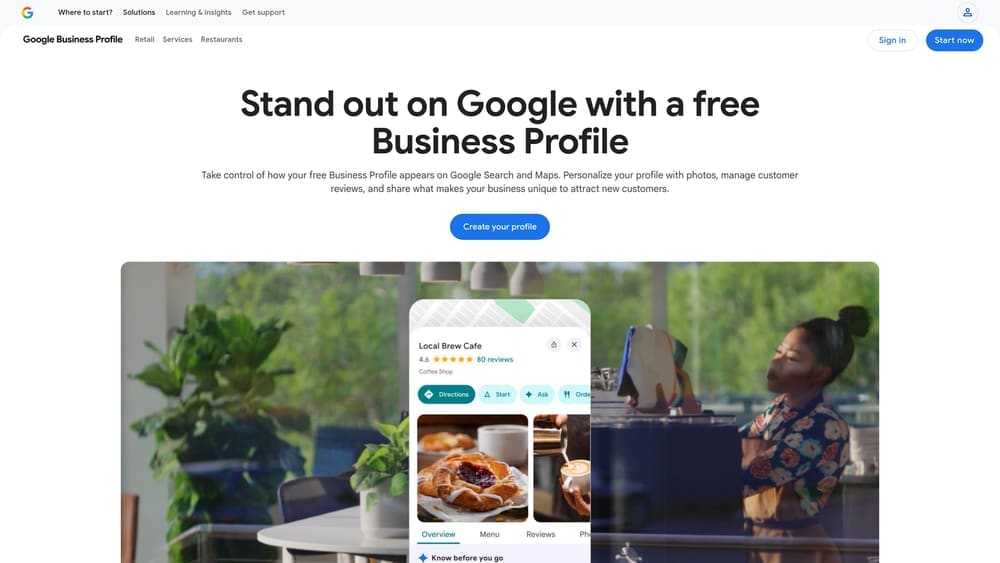
Local SEO focuses on making your business visible in geographically relevant searches, both in Google’s map pack and in standard organic results. The three pillars are your Google Business Profile, local citations, and geo-targeted content on your website.
A fully optimized Google Business Profile with accurate information, recent photos, and consistent review responses can drive meaningful local visibility without any advertising spend. Combined with local citations (consistent name, address, and phone number listings across directories) and location-specific pages on your website, local SEO builds a compounding asset that generates leads month after month.
Implementation Steps
1. Claim and fully complete your Google Business Profile, including service areas, business hours, service descriptions, and a steady stream of customer reviews.
2. Audit your business listings across major directories (Yelp, Angi, Yellow Pages) to ensure name, address, and phone number are consistent everywhere.
3. Create location-specific pages on your website targeting your primary service area and surrounding cities with relevant, useful content.
Pro Tips
Reviews are the single most underutilized local SEO asset most businesses have. Build a simple system for requesting reviews from satisfied customers immediately after service. Volume and recency both matter, and businesses with more recent, high-quality reviews consistently outperform competitors in local map pack rankings. For industries like plumbing, pairing local SEO with targeted paid campaigns like Google Ads for plumbers creates a powerful one-two punch of organic and paid visibility.
4. YouTube Advertising
The Challenge It Solves
Building trust with a cold audience is one of the hardest parts of local marketing. Text ads and static images can only do so much. Many local businesses struggle to communicate their value, expertise, or personality in a format that actually moves people toward a buying decision, especially against well-known competitors.
The Strategy Explained
YouTube is the second-largest search engine in the world and offers geo-targeted video advertising that lets you reach local audiences at relatively low cost-per-view rates. Video builds credibility and trust faster than any other format. A 30-second ad showing your team, your work, or a satisfied customer can do more for brand perception than months of text ads.
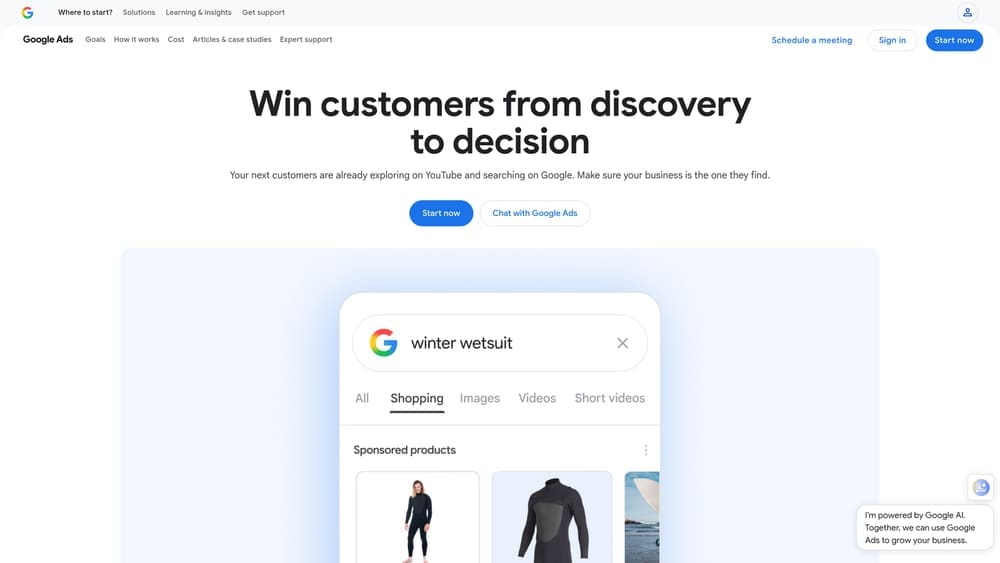
For local businesses, YouTube ads work particularly well for services with longer consideration cycles, like roofing, HVAC, legal services, or cosmetic procedures, where people research before they decide. Showing up on YouTube during that research phase keeps your brand top of mind when they’re finally ready to call.
Implementation Steps
1. Create a short video ad (15-60 seconds) that focuses on a specific problem your customers face and how your business solves it. Authenticity matters more than production value.
2. Set up a campaign in Google Ads under the Video campaign type, targeting your geographic service area with relevant audience interests or in-market audiences.
3. Monitor view-through rates and any downstream conversion activity, then refine your targeting and creative based on what the data shows.
Pro Tips
The first five seconds of your video are critical because viewers can skip after that. Lead with your most compelling hook, not your logo or a slow build. A direct question that names the viewer’s problem (“Still dealing with that leaky roof?”) works better than a generic brand introduction.
5. Nextdoor Advertising
The Challenge It Solves
Most advertising platforms let you target by location, but none of them are built around neighborhoods the way Nextdoor is. When a homeowner in your service area is looking for a plumber or a landscaper, they often turn to their neighbors for recommendations. That word-of-mouth dynamic is powerful, and most local businesses have no way to participate in it systematically.
The Strategy Explained
Nextdoor is a neighborhood-based social platform where local recommendations are a core feature of how the community operates. Members regularly ask for and give business recommendations within their immediate neighborhoods, and that peer endorsement carries significant weight in buying decisions.
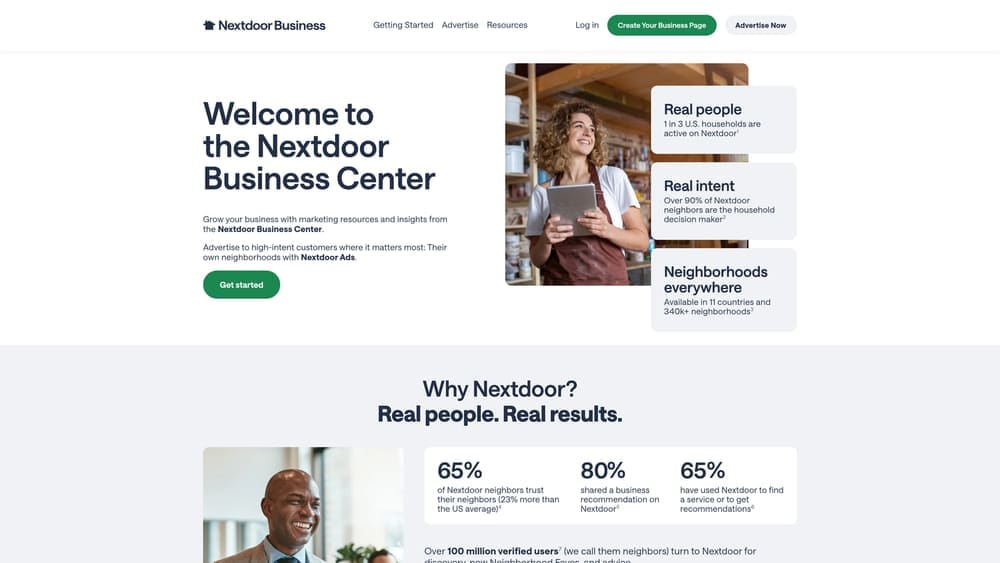
Nextdoor’s advertising product lets local businesses reach verified residents within specific neighborhoods or zip codes. Because the platform is built around local trust and community, ads on Nextdoor often feel less intrusive than ads on other social platforms. This is especially effective for home service businesses like landscaping companies and contractors who thrive on neighborhood referrals.
Implementation Steps
1. Claim your free Nextdoor Business Page and fill out your profile completely, including services, photos, and contact information.
2. Encourage satisfied customers to leave recommendations on your Nextdoor page, as organic recommendations increase your visibility even without paid advertising.
3. Explore Nextdoor’s Local Deal or neighborhood sponsorship ad products to extend your paid reach to verified residents in your target service areas.
Pro Tips
Don’t underestimate the free side of Nextdoor. Actively engaging with the platform by responding to neighbor recommendations and questions positions your business as a trusted community member, which often drives more organic leads than paid placements alone. The combination of organic presence and paid visibility is where Nextdoor delivers its best results for local service businesses.
6. Google Local Services Ads (LSAs)
The Challenge It Solves
Traditional Google Ads charge you per click, whether that click turns into a lead or not. For local service businesses, this creates a frustrating disconnect: you pay for traffic, but not all traffic converts. Budget gets consumed by window shoppers, accidental clicks, and searchers who aren’t ready to hire, leaving you with a cost-per-lead that’s hard to justify.
The Strategy Explained
Google Local Services Ads operate on a pay-per-lead model rather than pay-per-click. You only pay when a potential customer contacts you directly through the ad, either by phone call or message. This fundamentally changes the economics of search advertising for local service businesses.
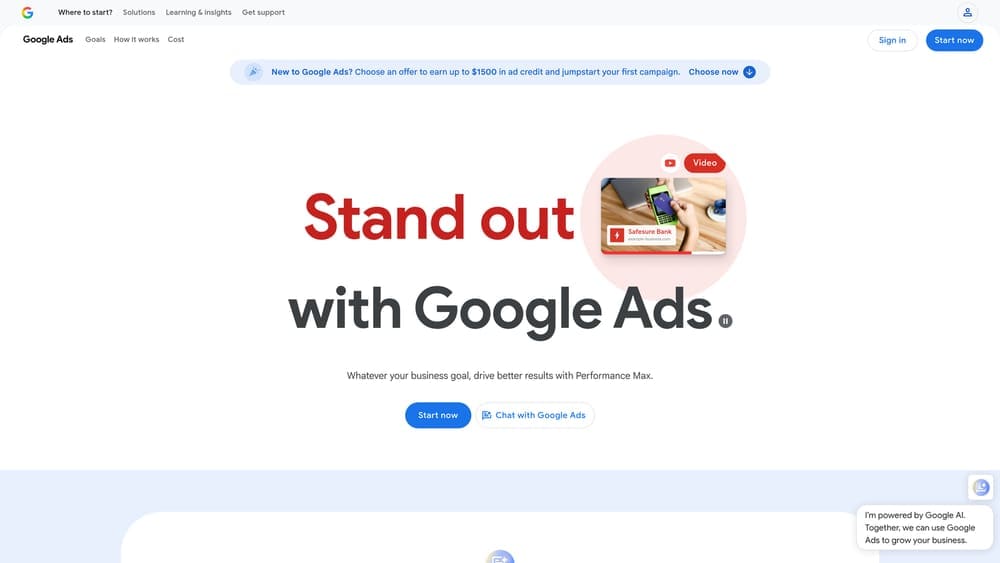
LSAs also display the Google Guaranteed badge for qualifying businesses that pass Google’s background check and licensing verification process. This badge appears above traditional search ads and organic results, giving your business prominent placement and a trust signal that competitors without the badge can’t match. For categories like plumbing, electrical services, HVAC, and legal services, LSAs can be one of the most cost-efficient paid channels available.
Implementation Steps
1. Check eligibility for your business category at ads.google.com/local-services-ads and begin the application and verification process.
2. Complete the Google Guaranteed background check and license verification requirements for your industry and location.
3. Set your weekly budget, define your service areas, and select the specific services you want to advertise to ensure you’re only receiving relevant leads.
Pro Tips
Respond to leads quickly. Google’s algorithm factors in your responsiveness when determining how prominently your LSA appears. Businesses that respond to inquiries faster tend to rank higher in the LSA placement, which means speed isn’t just good customer service here, it’s a ranking factor.
7. Email Marketing and Lead Nurturing
The Challenge It Solves
Most local businesses spend the majority of their marketing budget chasing new customers while leaving existing ones largely untouched. Past customers already know you, trust you, and have paid you before. Yet without a systematic way to stay in front of them, they drift toward competitors simply because another business showed up in their inbox first.
The Strategy Explained
Email marketing is widely recognized as one of the highest-ROI channels available to businesses of any size. For local businesses specifically, it offers a direct line to people who have already demonstrated they’re willing to buy from you. Automated email sequences can reactivate dormant customers, generate referrals, promote seasonal offers, and keep your business top of mind between service cycles.
The key is building the list and setting up automation so the process runs without manual effort. A simple welcome sequence for new customers, a reactivation email for customers who haven’t returned in a set period, and a referral request email sent after positive service interactions can generate meaningful lead flow at a fraction of the cost of paid advertising. Businesses like HVAC companies with seasonal service cycles benefit enormously from automated reactivation campaigns timed to maintenance windows.
Implementation Steps
1. Choose an email marketing platform suited to your volume and budget, and import your existing customer contact list after ensuring you have appropriate permission to email them.
2. Build a simple three-to-five email welcome sequence for new customers that reinforces their decision to hire you and introduces additional services they may not know you offer.
3. Set up a reactivation campaign that automatically emails past customers after a defined period of inactivity with a relevant offer or reminder to schedule their next service.
Pro Tips
The subject line determines whether your email gets opened or ignored. Keep subject lines short, specific, and benefit-driven. Personalization, even just using the customer’s first name, consistently improves open rates. Also segment your list by service type when possible: a customer who hired you for one service may not know you offer others, and targeted emails about relevant services convert better than generic newsletters.
8. Strategic Content Marketing
The Challenge It Solves
Paid advertising delivers leads while the budget is running, then stops. For local businesses that want a sustainable, long-term lead source that doesn’t require constant spending to maintain, paid channels alone aren’t enough. The challenge is building something that generates leads consistently over time, not just during active campaign periods.
The Strategy Explained
Locally-focused content marketing creates compounding value by producing blog posts, guides, and service pages that rank in organic search and attract potential customers researching their options. Unlike paid ads, content that ranks well continues to drive traffic and leads for months or years after it’s published.
The local angle is what makes this strategy particularly effective for small businesses. National competitors may dominate broad keywords, but locally-focused content targeting questions like “how much does roof replacement cost in [city]” or “best time to service HVAC in [region]” attracts highly relevant local searchers that large brands rarely bother competing for. This approach works hand-in-hand with paid strategies like Google Ads for dentists or other service-specific campaigns, where content captures organic traffic while ads handle immediate demand.
Implementation Steps
1. Research the questions your potential customers are actually asking by reviewing your customer service conversations, Google’s “People Also Ask” boxes, and keyword tools to identify locally-relevant topics.
2. Create in-depth, genuinely useful content that answers those questions completely, incorporating your city or service area naturally throughout the piece.
3. Publish consistently and promote each piece through your email list and social channels to accelerate initial traffic while organic rankings build over time.
Pro Tips
Don’t write content just to fill a blog. Every piece should target a specific keyword, answer a specific question, and have a clear next step for the reader, whether that’s contacting you, downloading a guide, or reading another relevant page. Content without strategy is just noise. Content with a clear purpose and local focus becomes a lead-generating asset that pays dividends long after you hit publish.
Putting It All Together: Building Your Multi-Channel Lead Engine
The businesses that grow consistently aren’t the ones that find one great channel and ride it forever. They’re the ones that build systems across multiple channels so that when one slows down, another picks up the slack. That’s the real value of everything covered in this guide.
You don’t need to launch all eight strategies at once. That’s a fast way to spread yourself too thin and execute none of them well. Instead, start with two or three that align with your current situation.
If budget is tight, prioritize the strategies with the lowest upfront cost. Local SEO, Google Business Profile optimization, email marketing to your existing customer list, and content marketing all require more time than money. They build slowly but compound over time into reliable, low-cost lead sources.
If you have budget to spend and need leads faster, Microsoft Advertising and Google Local Services Ads are the most direct supplements to an existing Google Ads strategy. They reach buyers with purchase intent, they’re relatively straightforward to set up, and they often deliver lower cost-per-lead than Google Ads alone due to reduced competition.
Facebook and Instagram Ads, YouTube advertising, and Nextdoor work best when layered on top of a search foundation. They build brand awareness, warm up audiences, and keep your business visible throughout the consideration process, so that when someone finally searches for what you offer, your name is already familiar.
The goal is a lead system that doesn’t depend on any single platform. Diversified channels mean diversified risk, more consistent lead flow, and ultimately a business that isn’t one algorithm change or one competitor’s budget increase away from a slow month.
Tired of spending money on marketing that doesn’t produce real revenue? We build lead systems that turn traffic into qualified leads and measurable sales growth. If you want to see what this would look like for your business, we’ll walk you through how it works and break down what’s realistic in your market.