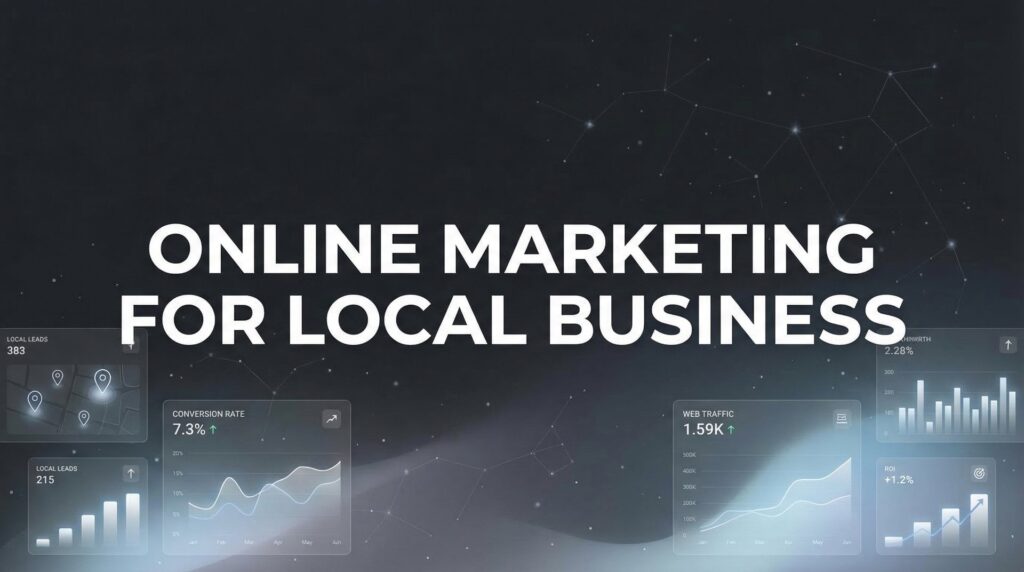
Local businesses face a unique challenge: competing for attention in an increasingly digital world while maintaining the personal touch that makes them special. The good news? Online marketing for local business doesn’t require enterprise-level budgets or massive marketing teams. It requires smart strategy, consistent execution, and knowing exactly where your ideal customers spend their time online.
Whether you’re a plumber trying to reach homeowners in your service area or a restaurant owner looking to fill more tables, these seven strategies will help you attract more local customers, generate quality leads, and build a marketing system that delivers measurable ROI. Let’s cut through the noise and focus on what actually works.
1. Dominate Google Business Profile Optimization
The Challenge It Solves
Most local searches happen on Google, and your Google Business Profile is often the first impression potential customers get of your business. Yet many local businesses treat their profile as a “set it and forget it” task, missing out on free visibility that could be driving calls, directions, and website visits every single day.
The businesses that show up in the coveted “Map Pack” aren’t there by accident. They’ve optimized every element of their profile and maintain it consistently.
The Strategy Explained
Your Google Business Profile is essentially a free mini-website that Google prioritizes in local search results. Complete optimization means filling out every available field, adding high-quality photos, selecting precise business categories, and keeping your information current. But optimization doesn’t stop at setup.
Weekly posts keep your profile active and signal to Google that your business is engaged and relevant. These posts can highlight special offers, new services, events, or helpful tips related to your industry. Think of them as micro-content that keeps your business top-of-mind when locals are searching.
Review collection is the third pillar. Google wants to show users businesses that other people trust. A steady stream of recent, authentic reviews signals quality and relevance, directly impacting your local search rankings.
Implementation Steps
1. Claim and verify your Google Business Profile, then complete every single field including business hours, service areas, attributes, and a detailed business description with your primary keywords naturally included.
2. Upload at least 10-15 high-quality photos showing your location, products, services, and team, then add new photos monthly to keep your profile fresh and engaging.
3. Create a system for weekly posts using Google’s built-in post feature to share updates, offers, or helpful content, and set up an automated review request process that asks satisfied customers to share their experience within 24-48 hours of service.
Pro Tips
Enable messaging in your profile so potential customers can reach you directly through Google Search and Maps. Respond to every review, positive or negative, within 24 hours. Use Google’s Q&A feature to proactively answer common questions before customers even ask. These small touches dramatically improve your profile’s performance and conversion rate.
2. Build a Local SEO Foundation That Compounds Over Time
The Challenge It Solves
Paid advertising stops working the moment you stop paying. Local SEO, on the other hand, builds equity over time. The challenge is that most local businesses either ignore SEO entirely or pursue generic tactics that don’t target their actual service area.
When someone searches for your service plus your city name, you need to appear in those results. That requires a deliberate digital marketing strategy, not just hoping Google figures it out.
The Strategy Explained
Local SEO starts with citation consistency. Your business name, address, and phone number (NAP) must be identical across every directory, website, and platform where your business appears. Inconsistencies confuse Google and dilute your local search authority.
Location-specific pages on your website target the exact searches your customers are making. If you serve multiple cities or neighborhoods, each location should have its own dedicated page with unique content that speaks to that specific area. These aren’t thin doorway pages, they’re comprehensive resources that demonstrate your presence and expertise in each location.
Local content creation establishes topical authority. Blog posts, guides, and resources that address local concerns, reference local landmarks, or solve problems specific to your service area signal relevance to both Google and potential customers.
Implementation Steps
1. Audit your NAP information across all online directories, review sites, and social platforms, then systematically correct any inconsistencies to ensure every listing matches exactly.
2. Create dedicated location pages for each city or neighborhood you serve, including unique descriptions of your services in that area, local testimonials, and embedded Google Maps showing your service area.
3. Develop a content calendar focused on local topics and search queries, publishing at least one piece of location-relevant content monthly that targets phrases your potential customers are actually searching for.
Pro Tips
Add schema markup to your website to explicitly tell Google your business name, address, phone, service areas, and hours. This structured data helps Google understand and display your information correctly in search results. Also, get listed in industry-specific directories relevant to your business type, as these specialized citations carry more weight than generic directories.
3. Deploy Geo-Targeted PPC Campaigns for Immediate Leads
The Challenge It Solves
SEO takes time to build momentum. When you need leads now, geo-targeted PPC delivers immediate visibility to people actively searching for your services in your exact service area. The problem many local businesses face is wasting ad spend on clicks from people outside their service radius or from searchers who aren’t ready to buy.
Precise geographic targeting combined with the right keywords ensures every dollar you spend reaches potential customers you can actually serve.
The Strategy Explained
Google Ads allows you to target specific zip codes, cities, or radius around your business location. This means a plumber in Austin only pays for clicks from people in Austin, not from someone in Dallas who happened to search without a location modifier.
Location extensions make your ads more prominent by showing your address, phone number, and distance from the searcher. These extensions increase ad real estate and provide multiple ways for customers to contact you, whether they want to call immediately or get directions to your location.
The key is matching your ad copy and landing pages to local intent. When someone searches “emergency plumber near me,” they need to see an ad that acknowledges their location, emphasizes availability, and makes calling you the obvious next step. Understanding online advertising for local businesses is essential for maximizing your return on ad spend.
Implementation Steps
1. Set up location targeting in Google Ads to focus exclusively on your service area, using radius targeting for service-based businesses or specific city targeting for retail locations, and exclude areas you don’t serve to prevent wasted spend.
2. Enable all relevant ad extensions including location extensions, call extensions, and callout extensions that highlight your local presence, years in business, and service area coverage.
3. Create ad groups organized by service type and location, with ad copy that includes location-specific language and landing pages that reinforce local relevance with city names, local phone numbers, and area-specific testimonials.
Pro Tips
Use bid adjustments to increase bids during your peak business hours or in your highest-converting zip codes. Set up call tracking for marketing campaigns so you know exactly which keywords and ads are generating phone calls, not just website clicks. For service businesses, prioritize mobile devices since many local searches happen when someone needs help right now.
4. Leverage Social Proof Through Strategic Review Marketing
The Challenge It Solves
Trust is the biggest barrier between a potential customer discovering your business and actually choosing you. When someone searches for a local service, they’re often comparing multiple options, and reviews frequently become the deciding factor. Businesses with more recent, authentic reviews consistently win more customers.
The challenge isn’t getting good reviews occasionally, it’s building a systematic process that generates them consistently while also showcasing them effectively across all your marketing channels.
The Strategy Explained
Review marketing is about creating a repeatable system for requesting, collecting, and displaying customer reviews across multiple platforms. The timing of your request matters enormously. Ask too early and customers haven’t experienced your full value. Ask too late and they’ve moved on mentally.
The sweet spot for most businesses is within 24-48 hours of service completion, when the positive experience is fresh but before life gets in the way. Your request should be simple, personal, and make leaving a review as frictionless as possible.
Once you have reviews, display them strategically. Add review schema markup to your website so Google can show star ratings in search results. Feature testimonials prominently on your homepage and service pages. Reference specific reviews in your marketing materials and social media content.
Implementation Steps
1. Create a multi-platform review request workflow that asks satisfied customers to review you on Google first, then directs them to Facebook, industry-specific sites, or other relevant platforms based on where your target customers research businesses.
2. Implement review schema markup on your website to display star ratings in search results, and create a dedicated testimonials page that showcases your best reviews with customer names, photos when available, and specific results they achieved.
3. Set up automated review monitoring so you’re alerted immediately when new reviews appear, allowing you to respond quickly and address any concerns before they escalate or thank customers for positive feedback.
Pro Tips
Never incentivize reviews with discounts or rewards, as this violates platform policies and can get your profile penalized. Instead, make the process easy by sending direct links to your review profiles. When responding to negative reviews, always take the conversation offline after your initial public response. This shows you care while protecting customer privacy and preventing public arguments.
5. Capture Local Attention With Hyper-Targeted Facebook and Instagram Ads
The Challenge It Solves
Google Ads captures demand from people actively searching. Facebook and Instagram ads create demand by reaching people who fit your customer profile but aren’t currently searching. For local businesses, this means getting in front of homeowners in specific neighborhoods, parents in your school district, or professionals in your city before your competitors do.
The power of Facebook’s targeting is its granularity. You can reach 35-50 year old homeowners within 5 miles of your business who have shown interest in home improvement, effectively building awareness and staying top-of-mind for when they need your service.
The Strategy Explained
Facebook and Instagram ads for local businesses work best when combining precise geographic targeting with demographic and interest-based targeting. A roofing company might target homeowners aged 40-65 within 15 miles who own homes built before 2000. A restaurant might target food enthusiasts within 10 miles who have shown interest in similar cuisines.
Visual content performs exceptionally well on these platforms. Before and after photos, customer testimonials on video, behind-the-scenes content, and special offers all capture attention in ways text-based search ads cannot. Exploring the best paid advertising platforms helps you determine where to allocate your budget most effectively.
Retargeting brings back website visitors who didn’t convert. Someone who visited your website, checked your services, but didn’t call or fill out a form sees your ad again on Facebook, reminding them to take action. This second or third touchpoint often converts where the first one didn’t.
Implementation Steps
1. Set up location-based audiences in Facebook Ads Manager using radius targeting around your business or specific zip codes, then layer demographic filters like age, homeownership status, and interests relevant to your services.
2. Create visually compelling ad creative featuring real customer results, your team, your location, or your work, with clear calls-to-action that drive phone calls, form submissions, or direct messages depending on your conversion goals.
3. Install the Facebook Pixel on your website and create retargeting campaigns that show ads to people who visited specific pages but didn’t convert, using messaging that addresses common objections or offers an incentive to take action.
Pro Tips
Test multiple ad formats including single image, carousel, and video to see what resonates with your local audience. Use Facebook’s lead forms to capture contact information directly within the platform, reducing friction for mobile users. Run special offers or promotions exclusively for your local Facebook audience to create urgency and trackable results.
6. Convert Website Visitors With Local-Focused Landing Pages
The Challenge It Solves
Driving traffic to your website means nothing if those visitors don’t convert into leads. Many local businesses send all their traffic to their homepage, which tries to be everything to everyone and ends up converting no one effectively. A visitor from a “roof repair Dallas” ad shouldn’t land on a generic homepage, they should land on a page specifically about roof repair services in Dallas.
Local-focused landing pages speak directly to the visitor’s specific need and location, building immediate trust and relevance that generic pages cannot achieve.
The Strategy Explained
Effective local landing pages include multiple trust signals that prove you’re a legitimate, established business in the area. Your local phone number, physical address, service area map, local testimonials, and years in business all reinforce that you’re not some distant company but a trusted local provider.
The page structure should follow a clear conversion path. Lead with a headline that matches the visitor’s search intent, immediately followed by your unique value proposition. Use local imagery, mention specific neighborhoods or landmarks, and showcase reviews from customers in the same area.
Mobile optimization is non-negotiable. Most local searches happen on mobile devices, often while people are actively experiencing a problem they need solved. Your landing page must load quickly, display perfectly on small screens, and make calling you as easy as tapping a button. If you’re struggling with conversions, understanding why marketing isn’t working for your business can reveal critical gaps in your approach.
Implementation Steps
1. Create dedicated landing pages for each major service and location combination you target, ensuring each page has a unique headline, service description, and call-to-action that matches the specific search query or ad that brought the visitor there.
2. Add local trust elements including your local phone number prominently displayed, embedded Google Map showing your service area, location-specific customer testimonials, and clear business hours that show you’re available and nearby.
3. Optimize for mobile by ensuring click-to-call buttons are large and prominent, forms are short and easy to complete on small screens, and page load time is under 3 seconds even on slower mobile connections.
Pro Tips
Use heat mapping tools to see where visitors click and how far they scroll, then adjust your page layout to put conversion elements where people actually look. Test different headline variations that emphasize different benefits, such as speed, quality, or price. Include a chat widget that allows visitors to ask questions in real-time, as many people prefer chatting to calling or filling out forms.
7. Build an Email and SMS List for Repeat Business and Referrals
The Challenge It Solves
Acquiring new customers is expensive. The businesses that thrive long-term aren’t just focused on new customer acquisition, they’re maximizing the lifetime value of every customer through repeat business and referrals. Yet most local businesses have no systematic way to stay in touch with past customers.
When a customer needs your service again or knows someone who does, you want to be the first business they think of. Email and SMS marketing keeps you top-of-mind without being intrusive. Building a strong customer acquisition system ensures you’re not just generating leads but nurturing them into loyal customers.
The Strategy Explained
Building a contact list starts at the point of sale. Every customer who does business with you should be added to your database with permission to send them helpful updates, maintenance reminders, special offers, and referral incentives.
Email works well for educational content, seasonal reminders, and detailed offers. A landscaping company might send spring preparation tips in March, reminding customers it’s time to schedule service. An HVAC company might send fall maintenance checklists, prompting customers to book tune-ups before winter.
SMS has higher open rates and works best for time-sensitive messages. Appointment reminders, last-minute availability, flash sales, or emergency service notifications all perform well via text. The key is respecting the medium and not overusing it.
Implementation Steps
1. Set up a customer database system using a CRM or email marketing platform that captures customer contact information, service history, and communication preferences at the point of sale or service completion.
2. Create automated email sequences for different customer segments, such as welcome series for new customers, seasonal maintenance reminders based on service type, and win-back campaigns for customers who haven’t used your services in over a year. Learning how to implement marketing automation for small business can dramatically streamline this process.
3. Implement an SMS marketing system for appointment reminders, special offers, and referral requests, keeping messages short, valuable, and infrequent enough to avoid annoying customers while staying present.
Pro Tips
Segment your list by service type, location, and customer value so you can send highly relevant messages rather than generic blasts. Create a referral incentive program that rewards both the referrer and the new customer, then promote it regularly through email and SMS. Track which messages drive the most repeat business and referrals, then double down on what works. Mastering email marketing for lead generation can transform your database into a consistent revenue engine.
Your Implementation Roadmap
Successful online marketing for local business isn’t about doing everything at once. It’s about building a foundation, then systematically adding layers that compound your results over time.
Start with your Google Business Profile and local SEO foundation. These are free or low-cost strategies that build long-term equity in your online presence. Get those dialed in over your first 30-60 days.
Once you’re showing up consistently in local search and your website converts visitors into leads, layer in paid advertising. Geo-targeted PPC and Facebook ads accelerate your lead flow while your organic presence continues building momentum.
The businesses that win locally are those that show up consistently, respond quickly, and make it easy for customers to choose them. Pick two or three strategies from this list, execute them well for 90 days, and measure your results before adding more.
Track the metrics that matter: phone calls, form submissions, appointment bookings, and ultimately revenue. Marketing that doesn’t connect to real business outcomes is just expensive entertainment.
Tired of spending money on marketing that doesn’t produce real revenue? We build lead systems that turn traffic into qualified leads and measurable sales growth. If you want to see what this would look like for your business, we’ll walk you through how it works and break down what’s realistic in your market.