Big corporations have massive marketing budgets, dedicated teams, and brand recognition that took decades to build. But here’s what they don’t have: agility, personal customer relationships, and the ability to dominate local markets.
The right digital tools can level the playing field, giving your small business the same firepower without the enterprise price tag. We’ve tested and researched the most effective tools that help smaller businesses punch above their weight class online.
Whether you need better advertising ROI, smarter automation, or improved local visibility, this list covers the essentials that actually move the needle.
1. Clicks Geek
Best for: Local businesses wanting professional PPC management without hiring an in-house team
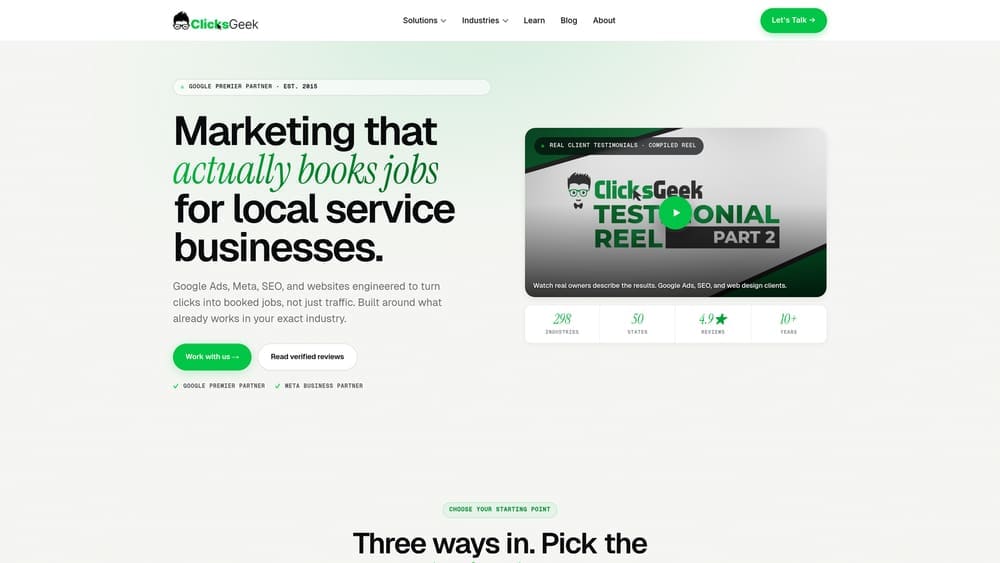
Clicks Geek is a full-service digital marketing agency specializing in pay-per-click advertising and conversion rate optimization for local businesses.
Where This Tool Shines
Most small businesses waste money on Google Ads because they’re competing against companies with dedicated advertising teams. Clicks Geek bridges that gap by providing Google Premier Partner-level expertise specifically tailored to local markets.
The agency’s focus on conversion rate optimization means they don’t just drive clicks—they engineer entire customer journeys that turn traffic into actual revenue. This matters because getting visitors to your site is only half the battle.
Key Features
Google Premier Partner Status: Access to advanced Google tools and beta features not available to most advertisers.
Conversion Rate Optimization: Systematic testing and improvement of landing pages, forms, and customer journeys to maximize ROI.
Local Business Specialization: Deep understanding of geographic targeting, local search behavior, and community-based marketing strategies.
Revenue-Focused Campaign Management: Campaigns built around actual sales and lead quality, not vanity metrics like impressions.
White Label Services: Other agencies can partner with Clicks Geek to deliver PPC services under their own brand.
Best For
Local service businesses, professional practices, and retailers who want professional-grade advertising without the overhead of building an in-house marketing department. Particularly valuable for businesses where each customer has high lifetime value and proper targeting makes a significant revenue difference.
Pricing
Custom pricing based on advertising spend and required services. Contact for a PPC audit to understand potential ROI for your specific market and business model.
2. Semrush
Best for: Understanding exactly what your bigger competitors are doing and finding their weaknesses
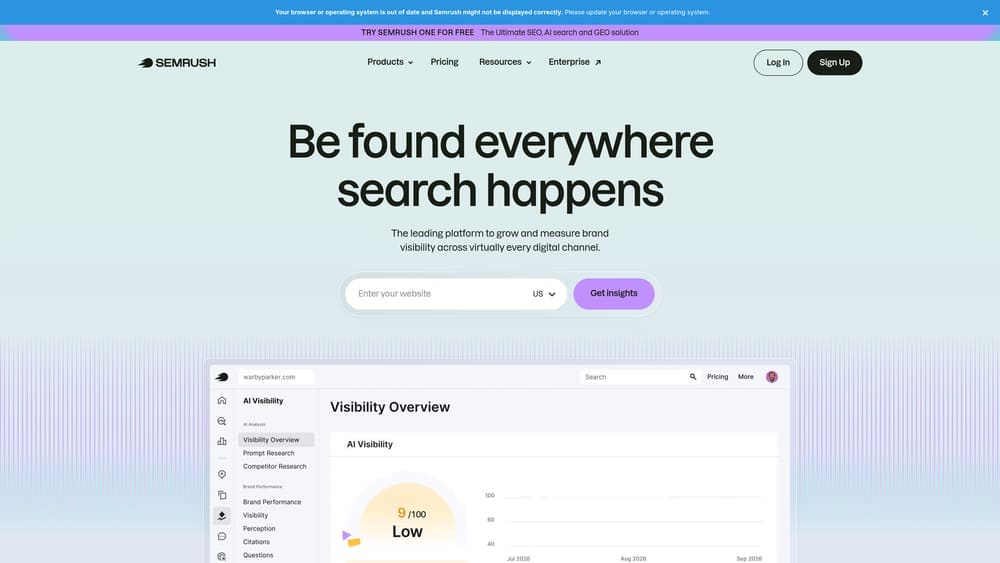
Semrush is a comprehensive competitive intelligence platform that reveals competitor strategies, keyword opportunities, and exploitable market gaps.
Where This Tool Shines
Large companies often dominate search results because they’ve invested years in SEO. Semrush shows you the exact keywords they rank for, where their traffic comes from, and—most importantly—where they’re vulnerable.
The platform excels at identifying low-competition, high-value keywords that bigger competitors have overlooked. These gaps represent opportunities where smaller businesses can establish dominance without fighting entrenched competition.
Key Features
Competitor Keyword Analysis: See every keyword your competitors rank for and estimate their traffic from each term.
Backlink Intelligence: Discover who links to your competitors and identify link-building opportunities for your own site.
Content Gap Analysis: Find keywords your competitors rank for that you don’t, revealing content opportunities.
PPC Competitor Research: View competitors’ paid search ads, budgets, and keyword strategies.
Position Tracking: Monitor your rankings against specific competitors over time across different locations.
Best For
Businesses serious about SEO and content marketing who want data-driven insights rather than guessing what might work. Most valuable when you’re targeting specific competitors and need to understand their complete digital strategy.
Pricing
Pro plan starts at $139.95/month for basic features. Business plan at $499.95/month adds more extensive data and competitive analysis tools.
3. HubSpot Marketing Hub
Best for: Automating marketing workflows that would normally require a dedicated team
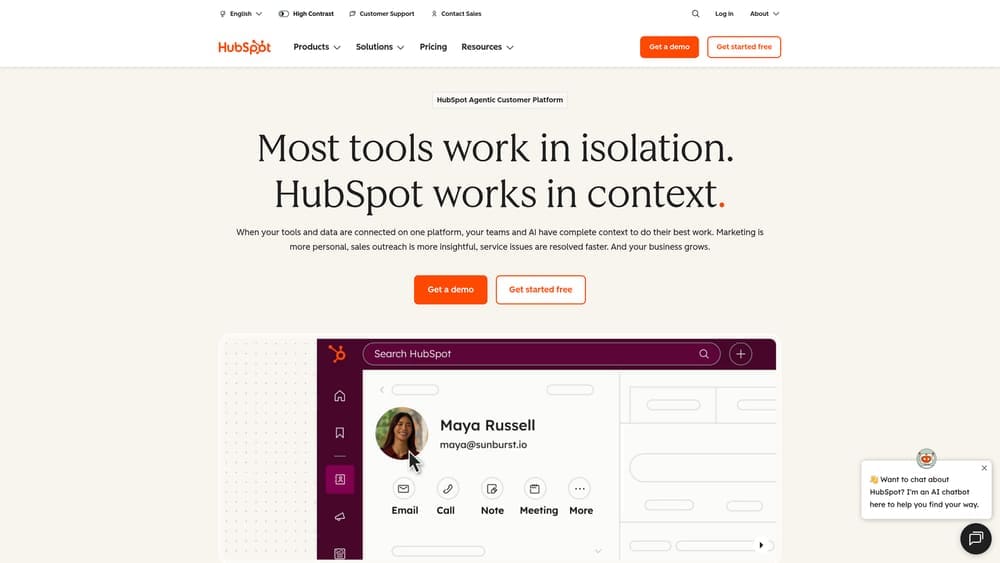
HubSpot Marketing Hub is an all-in-one marketing automation platform combining CRM, email marketing, landing pages, and analytics in a unified system.
Where This Tool Shines
Big companies have marketing teams where different people handle email, social media, content, and lead nurturing. HubSpot lets one or two people do the work of an entire department through intelligent automation.
The built-in CRM integration means marketing and sales data live in the same place. You can see exactly which marketing activities generate revenue, not just leads—a critical distinction that many small businesses miss.
Key Features
Marketing Automation Workflows: Create sophisticated email sequences triggered by specific customer behaviors without manual intervention.
Integrated CRM: Track every customer interaction from first website visit through closed sale in one database.
Landing Page Builder: Create conversion-optimized pages without developers using drag-and-drop tools.
Email Personalization: Send targeted emails based on customer behavior, demographics, and interaction history.
Attribution Reporting: Understand which marketing channels and campaigns actually drive revenue.
Best For
Growing businesses that have moved beyond basic email marketing and need true automation. Works best when you have multiple customer touchpoints and a longer sales cycle where nurturing matters.
Pricing
Free tier available with basic features. Starter plan at $20/month for essential tools. Professional plan at $890/month unlocks advanced automation and reporting.
4. Google Business Profile + LocaliQ
Best for: Dominating local search results where bigger national brands can’t compete
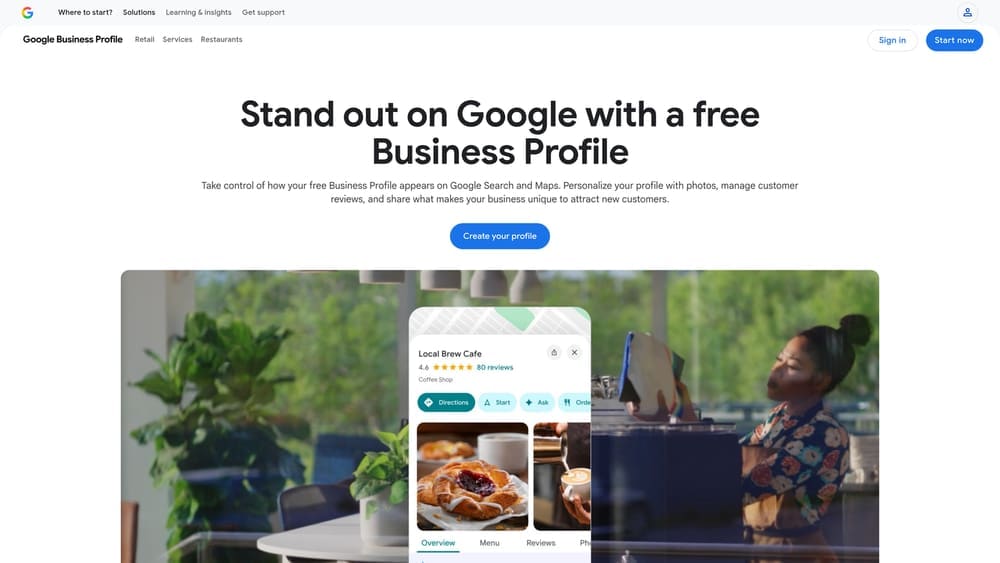
Google Business Profile is Google’s free local visibility tool, and LocaliQ adds sophisticated local advertising capabilities on top of this foundation.
Where This Tool Shines
This is where small businesses have an inherent advantage. National chains can’t provide the personalized local service you can, and Google Business Profile amplifies that advantage by prioritizing nearby, relevant businesses in search results.
When someone searches “plumber near me” or “best restaurant downtown,” a well-optimized Google Business Profile often appears above traditional website results. LocaliQ then extends this visibility through targeted local advertising across Google’s network.
Key Features
Free Maps and Search Visibility: Appear in Google Maps results and the local pack for relevant searches in your area.
Review Management: Collect and respond to customer reviews that influence both rankings and customer decisions.
Local Posts and Offers: Share updates, promotions, and events directly in search results.
Customer Insights: See how customers find your listing and what actions they take.
LocaliQ Integration: Add targeted local advertising to amplify your organic presence.
Best For
Any business serving a specific geographic area—especially service businesses, restaurants, retail stores, and professional practices. This is non-negotiable for local businesses regardless of industry.
Pricing
Google Business Profile is completely free. LocaliQ pricing varies by market and advertising spend—contact them for specific rates in your area.
5. Canva Pro
Best for: Creating professional marketing materials without hiring a design agency
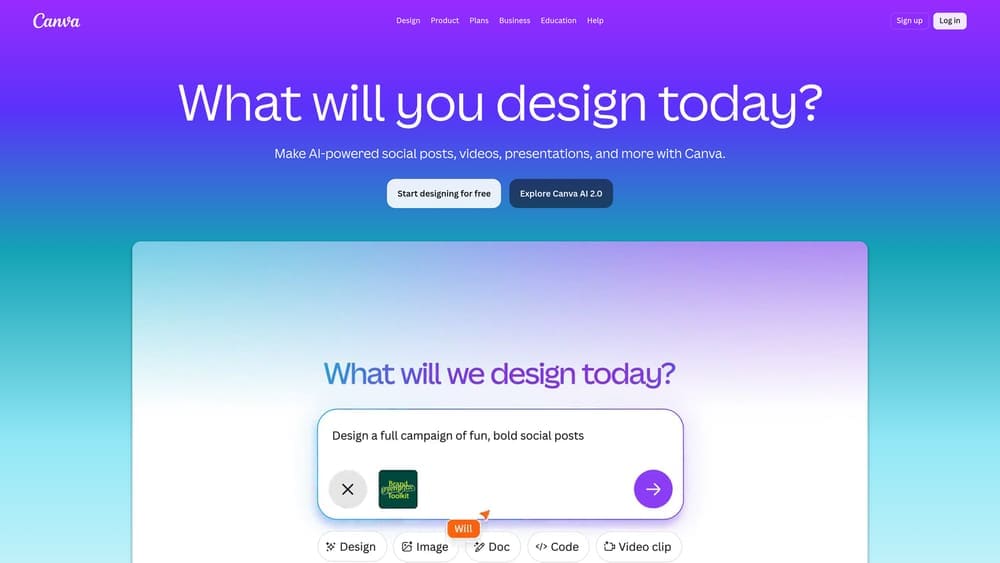
Canva Pro is a professional design platform that enables non-designers to create marketing materials, social graphics, and brand assets quickly.
Where This Tool Shines
Large companies have in-house designers or agency retainers. You probably don’t. Canva Pro levels this playing field by providing professional-quality templates and tools that require zero design experience.
The brand kit feature ensures visual consistency across all your marketing—something that makes small businesses look more established and professional. When your social posts, ads, and website all share cohesive branding, customers perceive you as more credible.
Key Features
Brand Kit: Store your colors, fonts, and logos for one-click application across all designs.
Professional Templates: Thousands of customizable templates for social media, ads, presentations, and print materials.
Background Remover: Instantly remove backgrounds from product photos and images.
Magic Resize: Automatically reformat designs for different platforms and sizes.
Stock Library: Access millions of stock photos, videos, and graphics included in your subscription.
Best For
Small businesses handling their own marketing who need to produce professional-looking content regularly. Particularly valuable for social media-heavy businesses and those creating frequent promotional materials.
Pricing
Pro plan starts at $14.99/month per person. Teams plan at $29.99/month adds collaboration features for multiple users.
6. Hotjar
Best for: Understanding why visitors leave your website without buying
Hotjar is a user behavior analytics platform showing exactly how visitors interact with your website through heatmaps and session recordings.
Where This Tool Shines
You might be driving traffic to your website but losing sales because of confusing navigation, broken forms, or unclear messaging. Hotjar reveals these problems by showing you actual recordings of real users struggling with your site.
Large companies conduct expensive usability studies. Hotjar gives you the same insights by watching how real customers interact with your pages. You’ll see exactly where they get confused, what they click on, and where they abandon your checkout process.
Key Features
Heatmaps: Visual representations showing where users click, move, and scroll on each page.
Session Recordings: Watch replays of real user visits to see exactly how they navigate your site.
Feedback Polls: Ask visitors questions about their experience while they’re actively using your site.
Funnel Analysis: Identify exactly where users drop off in multi-step processes like checkout or signup.
Rage Click Detection: Automatically flag when users repeatedly click elements that don’t work, indicating frustration.
Best For
Businesses getting website traffic but struggling with conversions. Most valuable for e-commerce sites, lead generation sites, and any business where small improvements in conversion rate significantly impact revenue.
Pricing
Basic free plan available with limited sessions. Plus plan at $39/month for growing businesses. Business plan at $99/month for higher traffic sites.
7. Mailchimp
Best for: Building customer relationships through automated email marketing
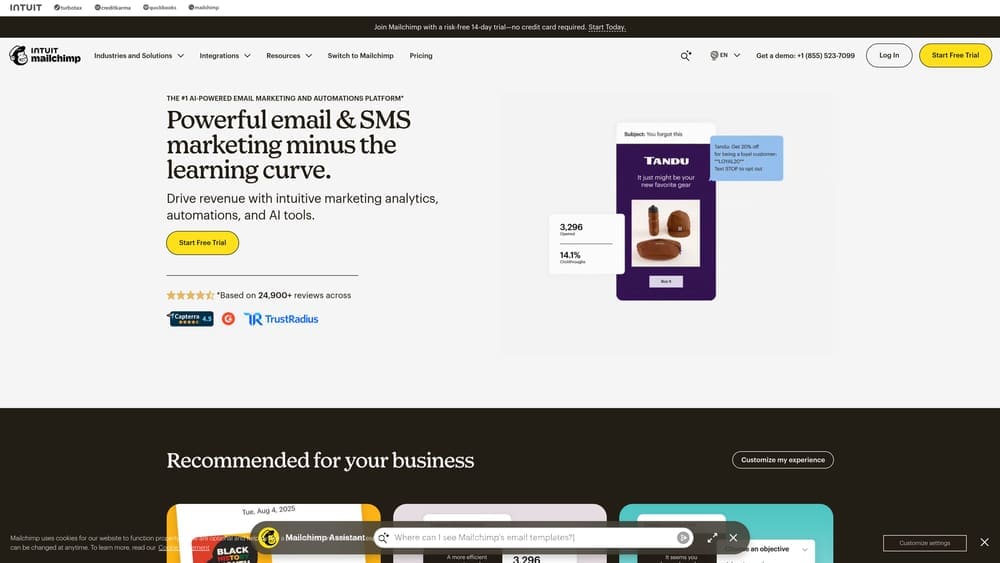
Mailchimp is an email marketing and automation platform for building customer relationships through targeted, automated communication.
Where This Tool Shines
Big retailers send perfectly timed emails based on customer behavior—abandoned cart reminders, product recommendations, re-engagement campaigns. Mailchimp brings this capability to small businesses through intuitive automation.
The platform excels at segmentation, letting you send different messages to different customer groups based on their purchase history, interests, or behavior. This personalization dramatically improves email performance compared to one-size-fits-all blasts.
Key Features
Email Automation Journeys: Create triggered email sequences based on customer actions like purchases, website visits, or abandoned carts.
Audience Segmentation: Divide your email list into targeted groups for more relevant messaging.
A/B Testing: Test different subject lines, content, and send times to optimize performance.
Landing Page Builder: Create simple landing pages for campaigns without needing a separate tool.
E-commerce Integrations: Connect with Shopify, WooCommerce, and other platforms to sync customer data automatically.
Best For
Businesses with growing email lists who want to move beyond basic newsletters into sophisticated automated marketing. Works particularly well for e-commerce, membership businesses, and companies with repeat customers.
Pricing
Free tier supports up to 500 contacts with basic features. Essentials plan starts at $13/month for more contacts and automation capabilities.
8. CallRail
Best for: Tracking which marketing efforts actually drive phone calls and sales
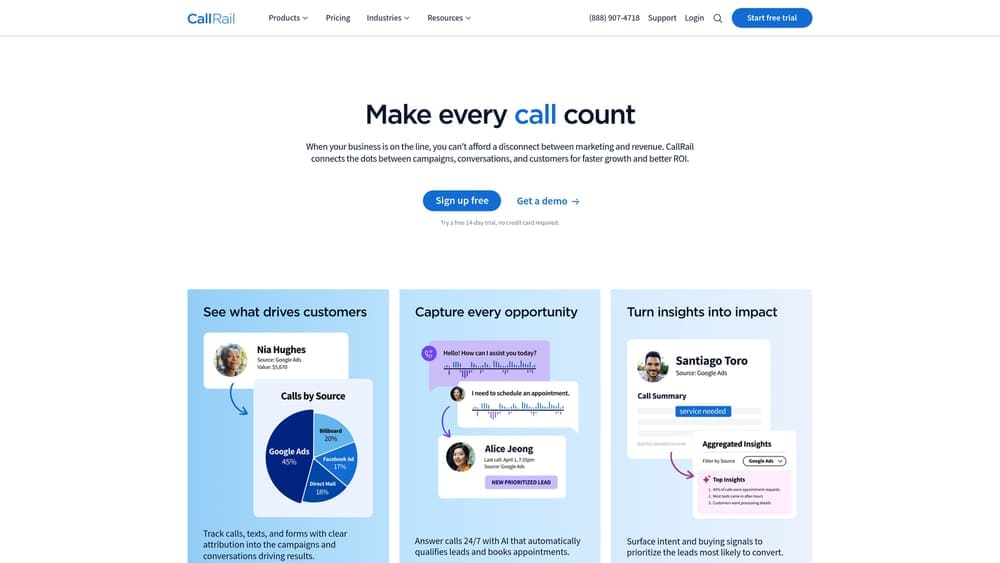
CallRail is a call tracking and analytics platform that reveals which marketing channels drive phone leads and conversions.
Where This Tool Shines
Many local businesses get most leads via phone calls, yet they have no idea which marketing channels drive those calls. CallRail solves this by assigning unique phone numbers to different marketing sources—Google Ads, Facebook, your website, print ads.
The call recording and transcription features let you analyze sales conversations, identify common objections, and train your team based on real customer interactions. This intelligence helps smaller teams compete with larger companies‘ sales training programs.
Key Features
Dynamic Number Insertion: Automatically shows different phone numbers to visitors from different marketing sources for accurate attribution.
Call Recording and Transcription: Record calls and get searchable transcripts to review conversations and train staff.
Multi-Channel Attribution: Understand which combination of marketing touchpoints leads to phone conversions.
Form Tracking: Track online form submissions alongside phone calls for complete lead visibility.
Google Ads Integration: Pass call data directly into Google Ads for better campaign optimization.
Best For
Service businesses, professional practices, and any company where phone calls represent significant revenue. Particularly valuable when you’re running multiple marketing campaigns and need to know which ones actually work.
Pricing
Call Tracking plan starts at $45/month for basic features. Additional capabilities like conversation intelligence and advanced integrations cost extra.
9. Zapier
Best for: Automating repetitive tasks that waste your team’s time
Zapier is an automation platform connecting apps and workflows without coding, enabling small teams to operate like larger organizations.
Where This Tool Shines
Large companies have people dedicated to data entry, updating spreadsheets, and moving information between systems. Zapier eliminates these tasks by automatically connecting your apps and triggering actions based on specific events.
When a new lead comes in through your website, Zapier can automatically add them to your CRM, send a notification to your sales team, add them to an email sequence, and update your spreadsheet—all without human intervention. This level of automation was previously only accessible to enterprise companies with custom development budgets.
Key Features
6,000+ App Integrations: Connect virtually any business software tools you already use.
No-Code Automation Builder: Create sophisticated workflows using a visual interface without programming knowledge.
Multi-Step Workflows: Chain multiple actions together so one trigger can update several systems simultaneously.
Filters and Conditional Logic: Add rules so automations only run when specific conditions are met.
Team Collaboration: Share automations across your team and manage who can edit workflows.
Best For
Growing businesses drowning in manual processes and data entry. Most valuable when you’re using multiple software tools that don’t naturally integrate with each other.
Pricing
Free tier includes 100 automated tasks per month. Starter plan at $29.99/month for 750 tasks and premium features.
Making the Right Choice
You don’t need a Fortune 500 budget to compete online—you need the right tools and strategy.
For local businesses wanting hands-off advertising that actually converts, Clicks Geek delivers enterprise-level PPC and CRO without the enterprise headaches. If you’re more DIY-focused, Semrush and HubSpot give you the intelligence and automation big companies rely on.
For local dominance, optimize your Google Business Profile first—it’s free and often the highest-ROI action you can take. And if you’re getting traffic but not sales, Hotjar reveals exactly why visitors leave without buying.
The businesses that outcompete larger rivals in 2026 won’t necessarily spend more—they’ll spend smarter. Start with one or two tools from this list, master them, then expand your stack as you grow.
Tired of spending money on marketing that doesn’t produce real revenue? We build lead systems that turn traffic into qualified leads and measurable sales growth. If you want to see what this would look like for your business, we’ll walk you through how it works and break down what’s realistic in your market.