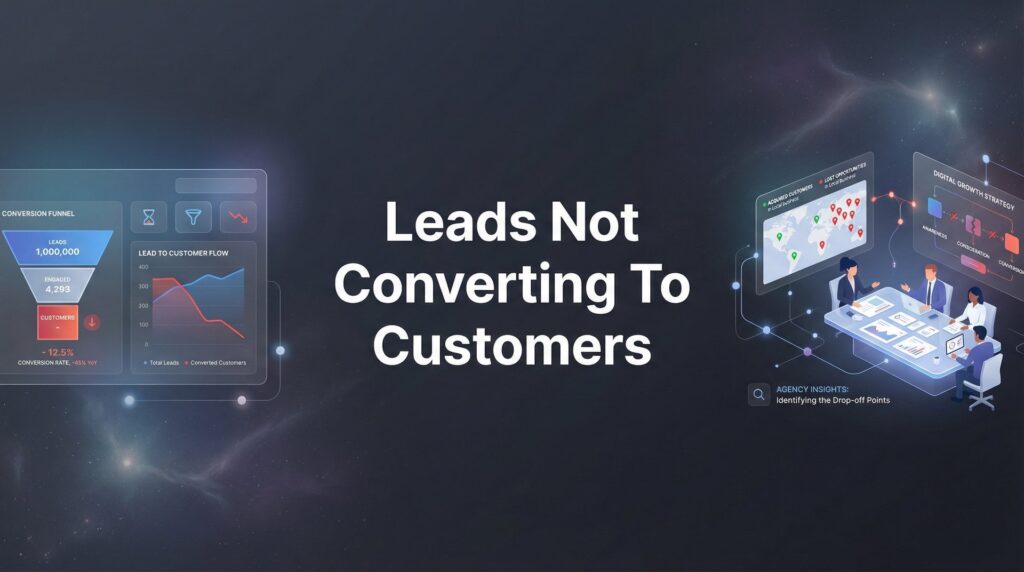
You’re spending $3,000 a month on Google Ads. The dashboard shows clicks coming in. Your credit card gets charged like clockwork. But when you look at your actual sales pipeline, something doesn’t add up. The phone isn’t ringing more. The contact form submissions aren’t converting. And you’re starting to wonder if you’re just funding Google’s next data center.
This is the reality for countless business owners who dive into PPC advertising without the expertise to make it work. The Google Ads platform promises easy customer acquisition, but delivers complexity, wasted spend, and frustration instead. Meanwhile, your competitors seem to dominate every search result, capturing customers you should be winning.
PPC campaign management services exist to solve exactly this problem. They transform paid advertising from an expensive experiment into a predictable customer acquisition system. But what do these services actually include? How does professional management differ from the DIY approach that’s currently draining your budget? And most importantly, how do you know if outsourcing your PPC is the right move for your business?
This guide breaks down everything you need to understand about professional PPC management—from what’s included in the service to how the process actually works, and whether your business is ready to make the investment.
Breaking Down PPC Campaign Management: What’s Actually Included
When you hire a PPC management service, you’re not just paying someone to click buttons in Google Ads. You’re accessing a comprehensive system designed to extract maximum value from every advertising dollar.
The foundation starts with keyword research—but not the surface-level kind you’d do yourself in five minutes. Professional keyword research involves analyzing search volume data, understanding user intent behind different queries, identifying long-tail opportunities your competitors miss, and mapping keywords to specific stages of your buyer journey. It’s the difference between targeting “plumber” (expensive, vague intent) and “emergency pipe burst repair near me” (high intent, ready to buy).
Ad copywriting is another core component that separates amateur campaigns from professional ones. Your PPC manager creates multiple ad variations testing different value propositions, calls-to-action, and messaging angles. They understand how to write headlines that improve click-through rates while maintaining relevance to landing pages. They know which emotional triggers work in your industry and how to differentiate your business in crowded search results.
Bid management might sound simple, but it’s where the real expertise shows. Professional managers don’t just set bids and forget them. They continuously adjust based on time of day performance, device type, geographic location, and dozens of other factors. They understand when to use manual bidding versus automated strategies, and how to structure campaigns to take advantage of Google’s machine learning without losing control.
Landing page optimization often gets overlooked, but it’s critical. Your PPC manager should evaluate where your ads are sending traffic and recommend improvements. A 10% increase in landing page conversion rate has the same impact as a 10% reduction in cost-per-click—but most advertisers focus exclusively on the ads themselves. This is why conversion focused marketing services have become essential for businesses serious about ROI.
Conversion tracking setup is the technical foundation that makes everything else possible. Without proper tracking, you’re flying blind. Professional management includes implementing tracking pixels, setting up conversion actions in Google Ads, configuring Google Analytics goals, and ensuring attribution is accurate across devices and touchpoints.
Beyond these core components, there’s a strategic layer that DIY advertisers rarely access. This includes competitor analysis—understanding what your rivals are bidding on, what ad copy they’re using, and where gaps exist you can exploit. It includes audience targeting strategies that go beyond basic demographics to reach people based on their behavior, interests, and stage in the buying cycle.
Campaign structure architecture matters more than most people realize. How you organize campaigns, ad groups, and keywords affects quality scores, which directly impacts your costs. Professional managers design structures that maximize relevance while maintaining the flexibility to optimize individual elements.
Here’s what many business owners don’t understand: PPC management isn’t a one-time setup. The difference between mediocre results and exceptional performance comes from continuous optimization. Markets shift. Competitors adjust their strategies. Seasonal trends emerge. Consumer behavior evolves. Professional management means someone is monitoring these changes and adjusting your campaigns accordingly—not just checking in once a quarter when results have already declined.
The DIY Trap: Why Managing Your Own Campaigns Often Backfires
The Google Ads interface looks deceptively simple when you first log in. Create a campaign, choose some keywords, write an ad, set a budget. How hard could it be?
Then you spend three hours trying to understand the difference between search network and display network. You discover that “broad match” doesn’t mean what you thought it meant. You realize quality score affects your costs but have no idea how to improve it. And you’re suddenly drowning in metrics—impressions, clicks, CTR, conversion rate, cost per conversion—with no framework for knowing which ones actually matter for your business.
The learning curve is steeper than most business owners anticipate. Becoming proficient enough to run effective campaigns requires hundreds of hours of education and hands-on experience. You’re competing against professionals who manage millions in ad spend and have seen what works across thousands of campaigns. Expecting to match their expertise while also running your business is unrealistic.
But the time investment goes beyond initial learning. Effective PPC management requires daily monitoring. You need to check performance metrics, pause underperforming keywords, adjust bids based on competitive changes, and respond to seasonal fluctuations. Most business owners start with good intentions, then let their campaigns run on autopilot when other priorities emerge. Meanwhile, their ad spend continues draining with declining efficiency.
The expensive mistakes pile up quickly. Broad match keywords without proper negative keyword management mean you’re paying for irrelevant clicks. Someone searching “free plumbing advice” triggers your ad even though they have zero purchase intent. You’re charged $15 for that click, and they bounce immediately.
Neglecting negative keywords is one of the costliest DIY errors. Without systematically reviewing search term reports and adding negatives, you’ll waste significant budget on variations of your keywords that don’t convert. Professional managers build extensive negative keyword lists that save clients thousands in wasted spend.
Poor quality score management compounds costs over time. Quality score is Google’s measure of how relevant your ads and landing pages are to your keywords. Higher quality scores mean lower costs per click. DIY advertisers often ignore this metric, paying 50-200% more per click than necessary because their campaign structure and ad relevance are suboptimal.
Then there’s the opportunity cost calculation that business owners rarely make honestly. If you’re spending 10 hours per week managing your PPC campaigns, that’s 40 hours per month. What’s your time worth? If you bill at $150 per hour, you’re investing $6,000 of your time monthly. Could that time generate more value elsewhere in your business? Almost certainly.
The DIY approach often feels like saving money until you calculate the real costs: wasted ad spend from inefficient campaigns, opportunity cost of your time, and lost revenue from customers your competitors captured while you were still figuring out match types. When you’re dealing with a marketing campaign not working, the losses compound quickly.
How Professional PPC Management Drives Better ROI
Professional PPC managers operate with advantages that solo advertisers simply can’t replicate. It’s not just about knowledge—though expertise matters enormously. It’s about access to tools, data, and systems that transform campaign performance.
Start with the tools. Professional agencies use platforms that cost thousands of dollars monthly—bid management software that automates complex optimization strategies, competitive intelligence tools that reveal what your rivals are doing, landing page testing platforms that identify conversion bottlenecks. These tools would be cost-prohibitive for a single business, but agencies spread the cost across their entire client base.
Industry benchmarks provide context that DIY advertisers lack. When your click-through rate is 2.3%, is that good or terrible? A professional manager knows immediately because they’ve seen thousands of campaigns in your industry. They understand that medical practices typically see 3-5% CTR on branded terms, while home service businesses often achieve 8-12% on high-intent keywords. This benchmark knowledge prevents you from accepting mediocre performance or panicking about results that are actually above average.
Cross-client learnings create a compounding advantage. When an agency discovers that a particular ad format drives exceptional results for one client, they can test that approach across similar businesses. They see patterns that individual advertisers miss—which landing page elements boost conversions, which bidding strategies work best for different campaign types, which audience targeting combinations produce the highest return.
Optimization cycles happen faster with professional management. While a DIY advertiser might check their campaigns weekly, a dedicated PPC manager is monitoring performance daily or even multiple times per day. They catch problems early—a competitor suddenly bidding aggressively on your brand terms, a landing page that starts loading slowly, a seasonal trend that requires budget reallocation. Quick response prevents wasted spend and capitalizes on opportunities.
Data-driven decision making at scale changes everything. Professional managers aren’t guessing about what might work. They’re running structured A/B tests on ad copy, analyzing performance by time of day and day of week, segmenting results by device and location. They make decisions based on statistical significance, not hunches. This approach aligns with results driven marketing services that prioritize measurable outcomes over vanity metrics.
The compounding effect is where professional management really shows its value. Imagine your current campaign has a 3% click-through rate, a $5 cost per click, and a 2% conversion rate. That means you’re paying $250 per conversion. Now a professional manager improves your CTR to 4% through better ad copy (reducing your CPC to $4 due to improved quality score), and optimizes your landing page to achieve a 3% conversion rate. Your cost per conversion drops to $133—nearly half the original cost. You can now afford to spend twice as much on ads while maintaining the same cost per acquisition, dramatically scaling your customer acquisition.
These improvements don’t happen overnight, but they compound over time. A professional manager continuously identifies small optimizations that each improve performance by 5-10%. Individually, these changes seem modest. Collectively, they transform campaign economics. Understanding how to optimize your marketing campaign is what separates profitable advertisers from those burning money.
Choosing the Right PPC Management Partner: What to Look For
Not all PPC management services deliver equal value. The wrong partner can waste your money just as effectively as managing campaigns yourself—except now you’re paying management fees on top of wasted ad spend.
Start by recognizing the red flags that signal you should walk away. Long-term contracts with no performance clauses should immediately raise concerns. If an agency requires a 12-month commitment regardless of results, they’re betting you’ll stick around even when performance disappoints. The best agencies are confident enough in their results to offer month-to-month agreements or reasonable trial periods. Many businesses now prefer contract free marketing services that allow flexibility without long-term commitments.
Lack of transparency on ad spend is another major warning sign. Some agencies mark up your Google Ads costs, charging you more than Google actually bills them. Others obscure exactly how much you’re spending versus how much you’re paying in management fees. Reputable agencies provide complete transparency—you see exactly what Google charges, and you pay a clear management fee on top.
Vague promises without specifics suggest an agency that talks a good game but can’t deliver. Be wary of guarantees like “we’ll get you to the top of Google” without discussing your specific market, competition, or budget realities. Professional managers discuss realistic expectations based on your industry and investment level.
Now for the green flags that indicate a quality partner. Google Partner or Premier Partner status matters. These designations mean the agency has met Google’s certification requirements, manages significant ad spend, and maintains client retention standards. It’s not a guarantee of excellence, but it demonstrates a baseline level of competency and commitment to the platform.
Industry-specific experience provides enormous value. An agency that has managed campaigns for multiple businesses in your industry understands the competitive landscape, knows which keywords actually convert, and has seen what messaging resonates with your target customers. They won’t need to learn on your dime.
Clear reporting cadence keeps you informed without overwhelming you with data. Quality agencies provide monthly reports that explain what happened, why it happened, and what they’re doing about it. They translate metrics into business impact—not just “your CTR increased by 0.5%” but “we reduced your cost per lead by $23 while maintaining lead volume.”
During your vetting process, ask these critical questions. How do you measure success? The answer should align with your business goals—leads generated, cost per acquisition, return on ad spend—not vanity metrics like impressions or clicks. For a deeper dive into evaluating potential partners, review our guide on comparing Google Ads management agencies.
What’s your communication process? You should know exactly how often you’ll hear from your account manager, what’s included in regular reports, and how quickly they respond to questions or concerns.
Who owns the account? This is crucial. Some agencies create the Google Ads account under their own business, making it difficult for you to take over if you part ways. Ensure the account is created under your business name, with the agency having management access. You should always maintain ownership of your advertising accounts and the data they contain.
What’s your approach to testing and optimization? Strong agencies have structured processes for continuous improvement—regular A/B tests, systematic keyword expansion, ongoing landing page optimization. Weak agencies set up campaigns and let them run with minimal ongoing work.
What to Expect: The PPC Management Process From Onboarding to Optimization
Understanding the typical PPC management process helps set realistic expectations and ensures you’re prepared to support your agency’s success.
Phase one is discovery and audit. This is where your PPC manager becomes an expert on your business. They’ll ask detailed questions about your products or services, your ideal customers, your pricing, your sales process, and your growth goals. They want to understand what makes you different from competitors and what value propositions resonate with your target audience. Many agencies begin with comprehensive digital marketing audit services to identify gaps and opportunities.
If you’re currently running campaigns, they’ll conduct a comprehensive audit. They’ll review your account structure, analyze which keywords are performing versus wasting budget, evaluate your ad copy and landing pages, and assess your conversion tracking setup. This audit often reveals quick wins—expensive keywords that should be paused immediately, tracking gaps that are hiding your actual performance, or structural issues that are inflating your costs.
The discovery phase also includes competitive research. Your manager will identify who’s bidding on your target keywords, what messaging they’re using, and where opportunities exist to differentiate your campaigns. This competitive intelligence shapes the strategy for your campaigns.
Phase two is campaign build-out. Your manager creates the campaign structure—organizing campaigns by product line, service type, or geographic market depending on your business model. They build out ad groups with tightly themed keywords that allow for highly relevant ad copy. They write multiple ad variations testing different value propositions and calls-to-action.
This phase includes implementing proper conversion tracking. Your manager will add tracking pixels to your website, set up conversion actions in Google Ads, and configure analytics to measure the full customer journey. Without accurate tracking, optimization is impossible. Implementing call tracking for marketing campaigns is essential for businesses that generate phone leads.
If your landing pages need work, your manager should provide specific recommendations. They might suggest creating dedicated landing pages for different services, simplifying forms to reduce friction, or adding trust signals that increase conversion rates.
Phase three is ongoing optimization—and this is where the real value of professional management emerges. Your manager continuously monitors campaign performance, making adjustments based on what the data reveals.
They conduct regular keyword reviews, identifying new opportunities to expand reach and adding negative keywords to eliminate wasted spend. They test new ad copy variations, scaling winners and pausing losers. They adjust bids based on performance by time of day, day of week, device, and location.
Monthly performance reviews keep you informed about results and upcoming strategy. Your manager explains what’s working, what isn’t, and what they’re testing next. They provide context for the numbers—comparing your performance to industry benchmarks and your own historical data.
This optimization never stops. Even successful campaigns can be improved. Markets evolve. Competitors change their strategies. Seasonal trends emerge. Professional management means someone is constantly refining your campaigns to maintain and improve performance over time.
Is PPC Management Right for Your Business? A Decision Framework
Professional PPC management isn’t right for every business at every stage. Making the wrong decision—either attempting DIY when you need professional help, or hiring an agency before you’re ready—wastes money and creates frustration.
Budget thresholds provide a useful starting point. If you’re spending less than $2,000 monthly on ads, professional management fees may consume too much of your budget to make financial sense. Many agencies charge 15-20% of ad spend or a minimum monthly fee in the $1,000-1,500 range. Understanding Google Ads management pricing helps you budget appropriately for professional help.
Once your ad spend reaches $3,000-5,000 monthly, professional management typically becomes cost-effective. The optimization improvements and time savings justify the management fees. At $10,000+ monthly spend, professional management is almost always worthwhile—the stakes are too high to risk amateur mistakes.
Business readiness indicators matter as much as budget. Do you have the infrastructure to handle more leads? If your phone system can’t handle increased call volume, if you don’t have a process for following up with form submissions, or if your sales team is already overwhelmed, driving more traffic won’t help. Fix your lead handling process before investing heavily in PPC.
Can you provide your PPC manager with what they need to succeed? They’ll need access to your Google Ads account, your website for tracking implementation, and your analytics data. They’ll need information about your products, pricing, and ideal customers. They’ll need feedback about lead quality so they can optimize for the right outcomes. If you can’t provide these inputs, even the best agency will struggle to deliver results.
Industry considerations also influence this decision. High-competition niches where expert management is nearly mandatory include legal services, medical practices, insurance, and financial services. In these industries, cost-per-click can reach $50-100 or more. A single mistake—targeting the wrong keywords, writing weak ad copy, or sending traffic to a poor landing page—can waste thousands of dollars quickly. The expertise of a professional manager pays for itself through avoided mistakes alone.
Home services businesses (plumbing, HVAC, roofing, electrical) also benefit significantly from professional management. These industries have high customer lifetime value, making the investment in quality leads worthwhile. The competitive landscape requires sophisticated campaign management to achieve profitable returns. If you’re in this space, understanding digital marketing strategy for home services is crucial for success.
E-commerce businesses with thin margins need to be more cautious. If your average order value is $50 and your profit margin is 20%, you have only $10 to acquire a customer. This leaves little room for management fees and learning periods. Make sure your economics support professional management before committing.
Local service businesses with high transaction values (think contractors, professional services, B2B) often see the clearest ROI from professional PPC management. A single customer might be worth thousands or tens of thousands in revenue. Optimizing campaigns to generate even a few additional customers monthly easily justifies the investment.
Turning Ad Spend Into Actual Business Growth
PPC campaign management services exist for one reason: to transform advertising spend from an expense into an investment that generates measurable business growth. Not just clicks and impressions—actual customers who pay you money.
The right PPC management partner should feel like an extension of your team, not a vendor you begrudgingly pay each month. They should be obsessed with your ROI, constantly looking for ways to reduce your cost per acquisition while maintaining or increasing lead volume. They should communicate clearly, educate you about what’s working and why, and make you feel confident that your advertising budget is being used strategically.
If you’re currently managing your own campaigns and feeling overwhelmed, or if you’ve been running ads for months without seeing the results you expected, professional management might be the missing piece. The time you reclaim, the mistakes you avoid, and the optimization improvements you gain often deliver returns that far exceed the management fees.
But don’t hire an agency just because someone told you that you should. Make an informed decision based on your budget, your business readiness, and your growth goals. Understand what professional management actually includes and what results are realistic given your market and investment level.
The businesses that succeed with PPC aren’t necessarily the ones with the biggest budgets. They’re the ones that approach paid advertising strategically, continuously optimize based on data, and refuse to accept mediocre performance. Whether you achieve that through professional management or sophisticated DIY efforts, the principles remain the same: know your numbers, test relentlessly, and never stop improving.
Tired of spending money on marketing that doesn’t produce real revenue? We build lead systems that turn traffic into qualified leads and measurable sales growth. If you want to see what this would look like for your business, we’ll walk you through how it works and break down what’s realistic in your market.
Want More Leads for Your Business?
Most agencies chase clicks, impressions, and “traffic.” Clicks Geek builds lead systems. We uncover where prospects are dropping off, where your budget is being wasted, and which channels will actually produce ROI for your business, then we build and manage the strategy for you.