Most lead magnets collect digital dust. Business owners create them, promote them, and watch as visitors bounce without ever entering their email. The problem isn’t the concept—it’s the execution. Generic PDFs and recycled checklists don’t cut it anymore.
Your prospects are drowning in free content, and they’ve become ruthlessly selective about what earns their contact information. They scroll past another “Ultimate Guide” without a second thought. They delete emails offering “exclusive tips” that sound exactly like the last five they ignored.
This guide delivers lead magnet ideas that work specifically for local businesses and service providers. These aren’t theoretical concepts—they’re proven formats that generate qualified leads ready to become paying customers. Whether you’re a contractor, lawyer, or healthcare provider, you’ll find actionable strategies to build your email list with prospects who actually want what you’re selling.
1. The Instant Quote Calculator
The Challenge It Solves
Prospects want to know if they can afford your service before they waste time on a consultation call. They’re researching multiple providers, trying to narrow down their options, and price is often the first filter. Without ballpark numbers, they either move to competitors who provide estimates or they submit inquiries they’ll abandon once they hear your rates.
The silence after you send a proposal tells the story. They weren’t qualified to begin with, and you spent time crafting a quote for someone who was never going to buy.
The Strategy Explained
An instant quote calculator provides ballpark estimates based on the variables that actually affect your pricing. A roofing contractor might ask for square footage, roof pitch, and material preference. A wedding photographer might factor in hours of coverage, number of locations, and album options.
The tool doesn’t give away your exact pricing—it provides ranges that help prospects self-qualify. Someone who sees the estimate and still submits their contact information is telling you they’re serious. They’ve already mentally committed to your price range, which means your sales conversation starts from a qualified position instead of defending your rates.
The calculator captures their email before showing results. This isn’t manipulation—it’s a fair exchange. They get valuable information that saves them time, and you get a lead who already knows what to expect. This approach is essential for any lead generation system for service businesses.
Implementation Steps
1. Identify the 3-5 variables that most significantly impact your pricing and build questions around them with clear options.
2. Create pricing ranges for each combination that are accurate enough to be useful but broad enough to account for project variations.
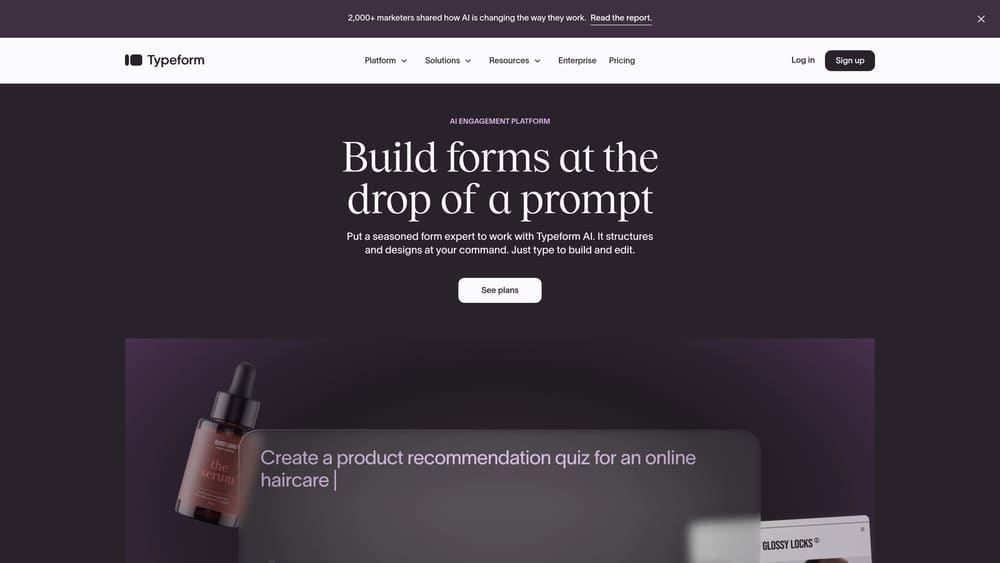
3. Use a tool like Typeform, Jotform, or LeadQuizzes to build the calculator with conditional logic that shows different results based on answers.
4. Set up the email capture before the results page and configure immediate delivery of their estimate along with next steps to work with you.
Pro Tips
Include a disclaimer that estimates are subject to change based on site inspection or consultation. This protects you legally while still providing value. Add a calendar link on the results page for qualified prospects who want to move forward immediately—you’ll be surprised how many book while they’re still engaged with the calculator.
2. The Local Market Report
The Challenge It Solves
National companies dominate search results with generic content that doesn’t address local conditions. Your prospects need information specific to their area—permit requirements, seasonal considerations, local regulations, or market pricing—and they can’t find it anywhere reliable.
This creates an opportunity that only local businesses can exploit. You have knowledge about your market that no national competitor can replicate without boots on the ground.
The Strategy Explained
A local market report compiles data, insights, and practical information specific to your geographic area. A real estate agent might create quarterly reports on neighborhood pricing trends, days on market, and upcoming developments. A landscaping company could publish seasonal guides on which plants thrive in local soil conditions and climate patterns.
The content demonstrates your local expertise while providing genuinely useful information prospects can’t find elsewhere. When someone downloads your report, they’re identifying themselves as actively researching in your service area—exactly the lead quality you want. This strategy aligns perfectly with effective lead generation for local businesses.
The geographic specificity also improves your local SEO. Search engines recognize location-focused content and reward it in local search results, creating a compounding benefit beyond just lead generation.
Implementation Steps
1. Identify the local data or insights your prospects actually need—focus on information that affects their decisions or outcomes in your area.
2. Compile the report using a mix of public data sources, your own observations, and industry-specific knowledge that demonstrates expertise.
3. Design the report as a clean PDF with your branding, contact information, and a clear call-to-action for the next step in working with you.
4. Create a dedicated landing page that highlights the local value and captures email addresses before delivering the download link.
Pro Tips
Update these reports regularly—quarterly or seasonally—so you can re-promote them and recapture attention from past visitors. Include specific neighborhood or district breakdowns if your service area is large enough. The more granular the data, the more valuable it becomes to prospects researching their specific location.
3. The Before-You-Hire Checklist
The Challenge It Solves
Prospects don’t know what questions to ask when vetting service providers. They end up hiring based on price or vague impressions, then discovering problems after they’ve committed. This creates buyer’s remorse, negative reviews, and a market full of skeptical prospects who’ve been burned before.
Your industry likely has horror stories—the contractor who disappeared mid-project, the consultant who overpromised, the service provider who cut corners. Prospects have heard these stories, and they’re terrified of becoming the next one.
The Strategy Explained
A before-you-hire checklist gives prospects the exact criteria they should use to evaluate any provider in your industry—including you. This seems counterintuitive. Why would you tell prospects how to scrutinize you?
Because transparency builds trust faster than any sales pitch. When you openly share what separates good providers from bad ones, you position yourself as the expert helping them make a smart decision. And if you’ve built your business properly, you’ll score well on your own checklist.
The checklist should include questions about licensing, insurance, references, process, timeline, and the specific red flags prospects should watch for. Make it comprehensive enough to be genuinely useful, not just a thinly veiled sales tool. This approach helps you generate qualified leads online who are ready to make informed decisions.
Implementation Steps
1. List every question a prospect should ask before hiring someone in your industry—include the tough questions that expose low-quality providers.
2. Organize questions into categories like qualifications, process, pricing, guarantees, and communication to make the checklist scannable and actionable.
3. Add brief explanations for why each question matters and what good answers should include so prospects understand what they’re looking for.
4. Create a one-page PDF format that’s easy to print or save, with your contact information and a note inviting them to discuss their specific situation.
Pro Tips
Include a section on red flags—warning signs that should make prospects walk away from a provider. This demonstrates honesty and builds credibility. Consider adding a companion piece that shows how your business specifically addresses each checklist item, which becomes your sales material for qualified leads.
4. The Cost Comparison Guide
The Challenge It Solves
Prospects are comparing your service to alternatives they don’t fully understand. They’re weighing DIY solutions, budget providers, mid-tier options, and premium services without knowing what they’re actually trading off. This leads to poor decisions, unrealistic expectations, and price-focused conversations that ignore value.
When prospects don’t understand why prices vary, they default to choosing the cheapest option. Then they’re disappointed with the results and blame the entire industry.
The Strategy Explained
A cost comparison guide breaks down what prospects actually get at different price points in your industry. It educates them on the variables that affect pricing—materials, expertise level, scope, timeline, guarantees—so they can make informed decisions based on their priorities.
A kitchen remodeling company might compare DIY renovation, budget contractor, mid-range remodel, and luxury renovation. Each tier clearly explains what’s included, typical timeline, expected quality, and long-term value. The guide doesn’t push prospects toward the most expensive option—it helps them match their budget to realistic outcomes.
This approach pre-qualifies leads by budget while positioning price differences as value differences rather than arbitrary markups. Prospects who download this guide are actively trying to understand what they should spend, which means they’re closer to buying than those still researching whether they need the service at all. It’s one of the most effective lead generation strategies for businesses in competitive markets.
Implementation Steps
1. Define 3-4 distinct price tiers in your industry and clearly articulate what separates each level in terms of deliverables and outcomes.
2. Create comparison tables or visual breakdowns that show what prospects get at each tier without revealing your exact pricing structure.
3. Add real-world scenarios showing which tier makes sense for different situations so prospects can see themselves in the examples.
4. Include a section on hidden costs or common mistakes that help prospects avoid budget surprises regardless of which tier they choose.
Pro Tips
Be honest about when cheaper options make sense. If someone has a limited budget and simple needs, acknowledge that. This builds trust and positions you as an advisor rather than a salesperson. Include a decision framework that helps prospects determine which tier aligns with their goals, timeline, and budget constraints.
5. The Video Mini-Course
The Challenge It Solves
Service businesses face a trust barrier that product companies don’t. Prospects want to know who they’re working with before they reach out. They want to assess your communication style, expertise, and whether they’ll actually enjoy working with you. A static PDF can’t accomplish this.
Video lets prospects meet you before the first consultation. They hear your voice, see your face, and get a sense of your personality. This pre-qualification works both ways—prospects who don’t connect with your style will self-select out, saving you time on poor-fit consultations.
The Strategy Explained
A video mini-course delivers educational content across 3-5 short videos, typically 5-10 minutes each. The format creates multiple touchpoints with prospects over several days, building familiarity and trust through repeated exposure.
A financial advisor might create a five-part series on retirement planning mistakes. A home inspector could break down what to look for when buying a house. The content should genuinely educate while naturally leading to your service as the logical next step.
The multi-day delivery is strategic. Instead of one download that gets filed away, you’re entering their inbox repeatedly. Each video reminds them you exist and reinforces your expertise. By video three or four, you’re no longer a stranger—you’re the expert who’s been helping them all week. Pairing this with email marketing for lead generation amplifies the results significantly.
Implementation Steps
1. Choose a topic that addresses a major concern for your prospects and outline 3-5 specific lessons that build on each other logically.
2. Record videos using your phone or webcam—production quality matters less than authenticity and clear audio for this format.
3. Set up an email automation sequence that delivers one video every 1-2 days with a clear call-to-action in each email.
4. Create a landing page that explains what prospects will learn and why it matters, capturing their email before granting access to the series.
Pro Tips
Keep videos focused on one concept each. Shorter, specific videos perform better than longer comprehensive ones. Include a transcript or key takeaways in each email for people who prefer reading. Add a strong call-to-action in the final video when trust is highest—this is when prospects are most likely to book a consultation.
6. The Decision-Making Template
The Challenge It Solves
Complex purchases overwhelm prospects with variables they don’t know how to weigh. Should they prioritize cost or quality? Timeline or thoroughness? Features or simplicity? Without a framework for making the decision, they either freeze up and do nothing or make choices they later regret.
This paralysis is particularly common in service industries where the outcome is less tangible than a physical product. Prospects can’t visualize what they’re buying, so they struggle to evaluate their options confidently.
The Strategy Explained
A decision-making template provides an editable framework that helps prospects organize their thinking and prioritize what matters most. This could be a comparison spreadsheet, a decision matrix, a requirements checklist, or a planning worksheet.
A business consultant might offer a vendor evaluation matrix with weighted criteria. A wedding planner could provide a budget allocation worksheet that helps couples distribute their spending across different elements. The template doesn’t make the decision for them—it gives them a structured way to think through their options. This is particularly valuable for lead generation for professional services where decisions involve multiple stakeholders.
The editable format is crucial. When prospects fill out your template with their specific situation, they’re investing time and mental energy. This investment increases their commitment to solving the problem and positions your eventual consultation as the natural next step in the process they’ve already started.
Implementation Steps
1. Identify the key decision points in your sales process where prospects typically get stuck or need guidance to move forward.
2. Create a simple spreadsheet, PDF form, or Google Doc template that walks them through evaluating their options systematically.
3. Include instructions and examples so prospects understand how to use the template effectively without additional help from you.
4. Add your contact information and an offer to review their completed template together as a natural transition to your consultation process.
Pro Tips
Make the template genuinely useful even if they never hire you. This builds goodwill and increases the likelihood they’ll share it with others facing similar decisions. Consider offering a paid upgrade where you review their completed template—this creates a low-commitment entry point to working together.
7. The Case Study Collection
The Challenge It Solves
Prospects don’t believe your marketing claims. They’ve heard promises before, and they need proof that you actually deliver results. Testimonials help, but they’re often too brief and generic to overcome skepticism. Prospects want to see the full story—the problem, the solution, and the measurable outcome.
Different prospects also face different situations. A case study that resonates with one segment might be irrelevant to another. You need multiple proof points that cover the range of problems you solve.
The Strategy Explained
A case study collection packages 3-5 detailed success stories into a single downloadable resource. Each case study follows a consistent format: the client’s situation and challenge, your approach and process, the specific results achieved, and key takeaways.
A marketing agency might showcase campaigns for different industries—one for e-commerce, one for professional services, one for local retail. Each story demonstrates expertise while allowing prospects to find the scenario most similar to their own situation. Understanding why marketing isn’t working for potential clients helps you craft more compelling case studies.
The collection format increases perceived value compared to individual case studies. It also enables segmentation—you can create different collections for different audience segments, each featuring the most relevant success stories for that group.
Implementation Steps
1. Select your best client results that represent different industries, challenges, or service offerings you want to attract more of.
2. Interview each client to get specific details about their situation before working with you, the process, and the measurable results they achieved.
3. Write each case study using a consistent structure that makes them easy to scan and compare across different scenarios.
4. Design the collection as a professional PDF with data visualizations, client quotes, and clear before-and-after comparisons where applicable.
Pro Tips
Include specific numbers whenever possible—percentages, dollar amounts, time saved, or other quantifiable outcomes. Vague claims of “significant improvement” don’t build credibility. Add a section in each case study explaining why this approach worked so prospects understand the strategy behind the results, not just the outcome.
8. The Industry-Specific Resource Kit
The Challenge It Solves
Generic content fails to resonate because it tries to serve everyone and ends up helping no one. Prospects in different industries face unique challenges, use specific terminology, and need tailored solutions. When your lead magnet speaks directly to their industry, it immediately signals that you understand their world.
Bundling multiple resources also solves the perceived value problem. A single checklist might not feel worth providing an email address. A complete resource kit with multiple tools and guides creates a stronger value proposition.
The Strategy Explained
An industry-specific resource kit bundles 3-5 related resources that address different aspects of a challenge within one industry. A cybersecurity consultant targeting healthcare might package a HIPAA compliance checklist, a vendor security questionnaire, a breach response template, and a staff training outline.
The bundling strategy requires minimal additional work because you’re repackaging existing content or creating multiple shorter pieces instead of one comprehensive guide. But the perceived value increases dramatically because prospects receive a complete toolkit rather than a single resource. For home service providers, this pairs well with a comprehensive digital marketing strategy for home services.
This approach also enables sophisticated segmentation. You can create different kits for different industries, then track which kit someone downloads to understand their specific needs before your first conversation.
Implementation Steps
1. Choose your highest-value industry segment and identify 3-5 specific resources they would find immediately useful in their daily work.
2. Create or compile these resources ensuring each one addresses a different aspect of their challenges or different stages of their process.
3. Package everything together in a branded folder or ZIP file with a welcome document that explains how to use each resource.
4. Build a landing page that clearly communicates the industry-specific value and lists exactly what’s included in the kit to set proper expectations.
Pro Tips
Include at least one editable template or tool that prospects can customize and use repeatedly. This increases the practical value beyond just information consumption. Consider creating kits for your top 2-3 industries rather than trying to serve everyone—the specificity is what makes this approach effective.
9. The Assessment or Audit Tool
The Challenge It Solves
Prospects often don’t fully recognize the scope of their problem. They know something isn’t working optimally, but they can’t quantify the gap between their current state and where they should be. This ambiguity makes it easy to procrastinate on solving the issue.
An assessment tool reveals problems prospects didn’t know they had. It creates urgency by showing them exactly what they’re missing or where they’re falling short. This awareness transforms a vague concern into a concrete problem that demands attention.
The Strategy Explained
An assessment or audit tool helps prospects evaluate their current situation against industry standards or best practices. A digital marketing agency might offer a website conversion audit. An HR consultant could provide a compliance readiness assessment. A cybersecurity firm might create a vulnerability scorecard.
The tool asks specific questions about their current practices, then generates a score or report that identifies gaps and opportunities. The results should be actionable enough to provide value independently while making it clear that fixing the identified issues requires expertise—ideally yours. You can streamline this entire process with marketing automation for small business.
The self-service format makes this less threatening than a consultation. Prospects can honestly assess their situation without feeling judged or pressured. But the results naturally lead to your services as the solution to the problems they’ve just discovered.
Implementation Steps
1. Define the key criteria or best practices in your industry that separate high-performers from those struggling with common problems.
2. Create questions that assess each criterion with clear answer options that correspond to different performance levels.
3. Build the assessment using quiz software that can score responses and generate customized results based on their answers.

4. Design result pages that explain their score, highlight specific gaps, and offer your service as the solution with a clear next step to work together.
Pro Tips
Provide genuinely useful feedback even for high scores. If someone is already doing well, acknowledge it and offer advanced strategies rather than trying to manufacture problems. Include benchmark data if possible—knowing they scored 60% is less meaningful than knowing the top performers in their industry score 85% or higher.
Putting These Lead Magnets to Work
Start with one lead magnet that directly addresses your ideal customer’s biggest question or concern. For most local businesses, the Instant Quote Calculator or Before-You-Hire Checklist delivers the fastest results because they meet prospects at the moment of decision.
Test your chosen format with existing traffic before investing in promotion. Send it to your email list. Share it on social media. Add it to your website. Track not just downloads, but conversion to actual sales conversations. The best lead magnet isn’t the most creative—it’s the one that attracts buyers ready to act.
Build your first, measure results, then expand your arsenal based on what your audience actually responds to. You don’t need all nine formats. You need the one or two that resonate with your specific market and move prospects from awareness to action.
The difference between a lead magnet that collects dust and one that fills your pipeline comes down to specificity. Generic guides get ignored. Resources that solve a specific problem for a specific audience get downloaded, shared, and converted into customers.
Tired of spending money on marketing that doesn’t produce real revenue? We build lead systems that turn traffic into qualified leads and measurable sales growth. If you want to see what this would look like for your business, we’ll walk you through how it works and break down what’s realistic in your market.