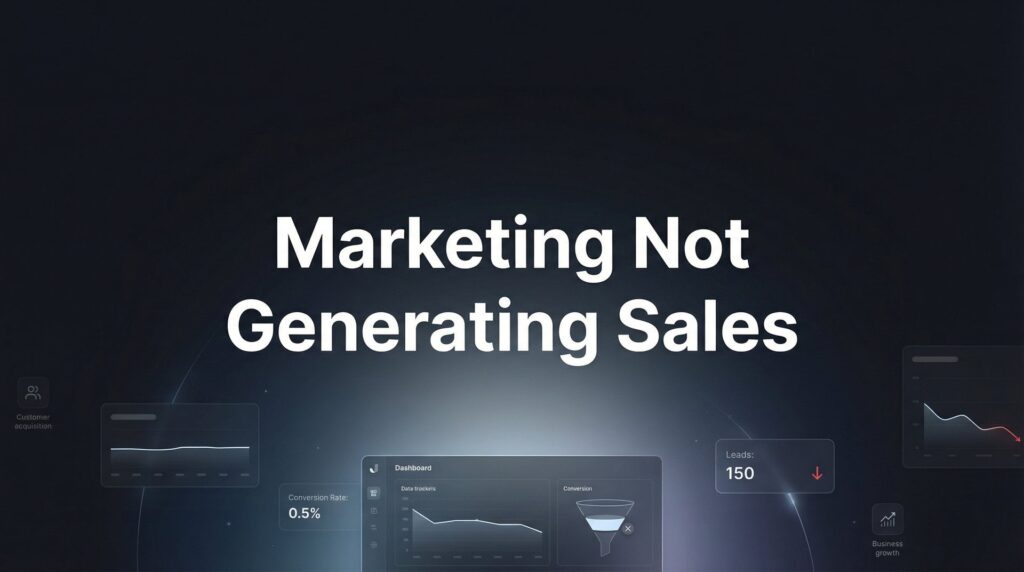
You’re spending thousands on Google Ads every month, watching your budget disappear while your competitors seem to dominate the search results. You’ve tried managing campaigns yourself, maybe even hired a freelancer, but the results remain frustratingly inconsistent. Sound familiar? The truth is, most local business owners face this exact challenge—and it’s costing them real money every single day.
The right Google Ads management agency can completely transform this picture. Instead of throwing money at ads and hoping something sticks, you get a strategic partner who turns your advertising into a predictable customer acquisition system. But here’s the problem: thousands of agencies claim to be Google Ads experts, yet most deliver mediocre results at best.
How do you separate the agencies that actually drive ROI from those who just talk a good game? The decision matters more than you might think. Choose wrong, and you’ll waste months of budget and opportunity. Choose right, and you’ll gain a growth engine that consistently delivers qualified leads and measurable revenue.
This guide walks you through seven proven strategies for evaluating and selecting a Google Ads management agency that actually performs. Whether you’re investing $2,000 or $50,000 monthly in ads, these approaches will help you make a confident decision based on what truly matters: results that impact your bottom line.
1. Verify Google Partner Status and Certifications First
The Challenge It Solves
Anyone can claim to be a Google Ads expert. Building a website, creating some case studies, and calling yourself an agency costs almost nothing. But actual expertise? That’s verifiable through Google’s official Partner program.
The problem is that many business owners take agency credentials at face value. They see a Partner badge on a website and assume it’s legitimate without checking. This opens the door to working with agencies that lack the technical knowledge, proven performance, and ongoing training required to manage your ad spend effectively.
The Strategy Explained
Start your evaluation by confirming the agency holds legitimate Google Partner or Premier Partner status through official verification channels. Google’s Partner program requires agencies to meet specific performance requirements, manage substantial ad spend across client accounts, and maintain current certifications across multiple Google Ads product areas.
Premier Partner status represents the top tier—agencies that demonstrate exceptional performance, manage significant ad spend, and show expertise across Google’s advertising platforms. Understanding the Google Partner agency benefits helps you recognize why this designation matters for your campaigns.
Think of it like hiring a contractor. You wouldn’t hire someone to renovate your home without checking their license and credentials. The same principle applies here. Google Partner status serves as your baseline verification that an agency meets minimum standards for knowledge and performance.
Implementation Steps
1. Visit Google’s official Partner directory at partners.google.com and search for the agency by name to verify their status directly through Google’s system.
2. Ask the agency to provide screenshots of their Partner dashboard showing current certifications and performance metrics, then verify these match what appears in Google’s public directory.
3. Confirm the agency maintains certifications across relevant Google Ads product areas for your business needs—Search, Display, Video, Shopping, or Apps depending on your advertising goals.
Pro Tips
Don’t stop at verifying Partner status exists. Ask when they achieved this status and whether they’ve maintained it continuously. Agencies that lose and regain Partner status may have experienced performance issues or failed to keep certifications current. Also look for Premier Partner designation if you’re investing substantial monthly budgets—this indicates the agency operates at a higher performance tier.
2. Demand Transparent Performance Reporting and Account Ownership
The Challenge It Solves
Some agencies treat your Google Ads account like proprietary property. They create campaigns under their own master account, provide vague monthly reports, and make it nearly impossible to see what’s actually happening with your ad spend. When you eventually want to switch agencies or bring management in-house, you discover you can’t access your historical data or campaign performance.
This lack of transparency serves the agency’s interests, not yours. It creates dependency and makes it difficult to evaluate whether you’re getting real value for your investment.
The Strategy Explained
Establish clear expectations upfront: you will maintain ownership of your Google Ads account, and you will receive transparent, detailed performance reporting that shows exactly where your money goes and what results it generates.
Account ownership means the Google Ads account is created under your business’s Google account, with the agency granted manager access. This ensures you retain all historical data, campaign performance, and audience insights regardless of your relationship with the agency. You’re not held hostage by your service provider.
Transparent reporting means you receive regular, detailed reports showing key metrics like cost per click, conversion rates, cost per acquisition, and ROI by campaign. The best Google Ads management services provide dashboard access so you understand exactly which campaigns drive results and which waste budget.
Implementation Steps
1. Before signing any contract, explicitly confirm in writing that you will own the Google Ads account and maintain administrator access at all times, with the agency operating as a manager.
2. Request sample reports from the agency showing what metrics they track and how they present performance data, ensuring these reports include conversion tracking, cost per acquisition, and ROI metrics rather than just surface-level click and impression data.
3. Establish the reporting cadence in your contract—monthly detailed reports at minimum, with dashboard access available 24/7 so you can check campaign performance whenever needed.
Pro Tips
Red flag: if an agency resists giving you account ownership or claims their “proprietary methods” require them to control the account, walk away. Legitimate agencies understand that account ownership protects your business interests. Also verify the agency uses conversion tracking from day one—you can’t optimize for ROI if you’re not measuring actual business results.
3. Evaluate Their Industry-Specific Experience
The Challenge It Solves
Generic PPC experience doesn’t translate to results in your specific industry. A Google Ads expert who crushes it for e-commerce brands might struggle with local service businesses. An agency that excels with B2B SaaS companies may not understand the nuances of healthcare marketing or home services lead generation.
Each industry has unique customer behaviors, search patterns, competitive dynamics, and conversion cycles. Without relevant experience, agencies waste your budget learning on your dime while you miss opportunities your competitors are capturing.
The Strategy Explained
Look for proven results with businesses similar to yours—not just general PPC credentials. This means evaluating whether the agency has successfully managed campaigns in your industry, understands your target customer’s search behavior, and knows how to navigate industry-specific challenges like seasonal fluctuations or regulatory restrictions.
Industry-specific experience shows up in the questions agencies ask during initial consultations. Experienced agencies immediately understand your business model, ask about your average customer lifetime value, and discuss strategies tailored to how your customers actually search and buy.
Implementation Steps
1. Ask the agency directly about their experience in your industry and request specific examples of clients they’ve worked with in similar businesses, including the types of results they achieved and challenges they overcame.
2. During initial consultations, evaluate whether the agency asks informed questions about your business model, customer acquisition costs, and industry-specific challenges rather than giving generic PPC advice.
3. Request to speak with current or past clients in your industry as references, asking these clients about the agency’s understanding of industry nuances and ability to deliver results that matter for businesses like yours.
Pro Tips
Don’t be impressed by an agency that’s “worked with everyone.” Specialists who focus on specific industries often outperform generalists because they’ve already solved the problems you’re facing. When learning how to hire a Google Partner agency, prioritize those with documented success in your vertical—their answers will reveal whether they truly understand your market or are just claiming experience.
4. Assess Their Conversion Rate Optimization Capabilities
The Challenge It Solves
Driving traffic to your website means nothing if those visitors don’t convert into leads or customers. Many Google Ads agencies focus exclusively on the advertising side—optimizing bids, testing ad copy, managing keywords—while completely ignoring what happens after someone clicks your ad.
This creates a fundamental problem: you pay for clicks that never convert because your landing pages, forms, or website experience fails to capitalize on the traffic. You’re essentially paying to send potential customers to a broken sales process.
The Strategy Explained
Confirm the agency focuses on conversions and ROI, not just clicks and impressions. The right agency treats Google Ads as one component of a complete customer acquisition system. They evaluate your entire conversion funnel, identify where prospects drop off, and optimize both your ads and your landing pages to maximize conversions.
Conversion rate optimization capabilities separate agencies that drive real business results from those that just manage ad platforms. When an agency improves your conversion rate from two percent to four percent, you double your ROI without spending an extra dollar on advertising.
Think of it this way: if someone sends 1,000 visitors to your website but only 20 convert, you’re wasting 98% of your ad spend. An agency with CRO expertise fixes that fundamental inefficiency.
Implementation Steps
1. Ask the agency explicitly about their conversion rate optimization process and what they do beyond managing Google Ads campaigns to improve your overall customer acquisition results.
2. Request examples of how they’ve improved conversion rates for other clients, including the specific testing methodologies they use and how they identify conversion barriers in the customer journey.
3. Verify the agency will analyze your current landing pages and website experience as part of their onboarding process, providing specific recommendations for improving conversion rates before launching campaigns.
Pro Tips
The best agencies view themselves as growth partners, not just advertising managers. They should ask about your sales process, average deal size, and customer lifetime value during initial conversations. Our Google Ads optimization guide covers the essential metrics that matter—if an agency only talks about click-through rates and quality scores without mentioning conversion optimization, they’re focused on the wrong metrics for your business success.
5. Understand Their Communication and Strategy Cadence
The Challenge It Solves
You sign a contract, hand over your ad budget, and then… silence. Weeks go by with minimal communication. When you finally get a report, it’s filled with jargon you don’t understand and metrics that don’t clearly connect to business results. You have questions but can’t reach your account manager. This communication breakdown leaves you feeling disconnected from your own advertising investment.
Poor communication doesn’t just create frustration—it prevents strategic optimization. Markets change, competitors adjust their strategies, and seasonal trends impact performance. Without regular strategic discussions, your campaigns become stale and miss opportunities.
The Strategy Explained
Establish clear expectations for regular updates, strategy calls, and account manager accessibility before signing any agreement. Communication cadence should include scheduled touchpoints for performance reviews, proactive notifications about significant changes or opportunities, and defined response times for your questions.
The right cadence balances staying informed without creating unnecessary meetings. You need enough communication to feel confident in your investment and participate in strategic decisions, but not so much that it becomes a time drain.
Implementation Steps
1. Define the communication structure in your contract, including monthly performance review calls, quarterly strategic planning sessions, and expected response times for email or phone inquiries from your team.
2. Confirm who your dedicated account manager will be and request an introductory call with them before signing, ensuring you have good rapport with the person who will actually manage your account day-to-day.
3. Ask about the agency’s process for proactive communication when they identify issues or opportunities in your campaigns, verifying they’ll contact you immediately rather than waiting for scheduled calls when action is needed.
Pro Tips
Watch out for agencies that assign you to a “team” rather than a dedicated account manager. This often means you’ll interact with whoever is available, leading to inconsistent communication and lack of strategic continuity. Also clarify whether your monthly calls include strategic planning or just report reviews—you want an agency that brings ideas and optimization strategies, not just recaps data you can see yourself.
6. Scrutinize Their Pricing Model and Fee Structure
The Challenge It Solves
Agency pricing models vary wildly, and hidden fees can turn what seemed like a reasonable investment into an expensive surprise. Some agencies charge a percentage of ad spend, others use flat monthly fees, and many combine multiple fee structures that become difficult to evaluate and compare.
Without understanding exactly what you’re paying for, you can’t determine whether you’re getting fair value. Worse, some pricing structures create misaligned incentives where the agency profits from increasing your ad spend regardless of whether it improves your results.
The Strategy Explained
Understand exactly what you’re paying for and watch for hidden fees or restrictive contracts. Break down the agency’s pricing to see what services are included, what costs extra, and how fees scale as your advertising investment grows.
Common pricing models include percentage of ad spend (typically ranging from ten to twenty percent), flat monthly management fees, and hybrid approaches that combine both. Understanding Google Ads management pricing benchmarks helps you evaluate whether proposals are competitive for your budget level.
The goal isn’t necessarily finding the cheapest option—it’s finding transparent pricing that aligns the agency’s incentives with your business success rather than just increasing ad spend.
Implementation Steps
1. Request a detailed breakdown of all fees including management fees, setup costs, any additional charges for landing page optimization or conversion tracking, and how pricing changes as your ad spend scales.
2. Compare the total cost across multiple agencies by calculating what you would pay at different ad spend levels, ensuring you’re comparing apples to apples when evaluating proposals.
3. Review contract terms carefully for restrictive clauses like long-term commitments, automatic renewals, or penalties for cancellation, negotiating for month-to-month agreements or reasonable trial periods when possible.
Pro Tips
Be wary of percentage-based pricing if you’re planning significant budget increases—an agency charging fifteen percent might be affordable at $5,000 monthly spend but becomes expensive at $30,000 monthly. Also watch for setup fees that seem excessive. Legitimate onboarding requires work, but setup fees shouldn’t equal multiple months of management fees unless the agency is building extensive custom landing pages or conversion tracking systems.
7. Request a Strategic Audit Before Committing
The Challenge It Solves
Agencies can talk a good game in sales meetings, but talk is cheap. You need to see actual evidence of their strategic thinking and technical expertise before committing your advertising budget. Without this proof, you’re essentially making a decision based on marketing promises rather than demonstrated capability.
A preliminary audit reveals whether the agency can actually identify opportunities and problems in your current advertising approach. It separates agencies that rely on generic best practices from those with genuine strategic insight into your specific situation.
The Strategy Explained
Ask for a preliminary account analysis to evaluate their expertise and approach before signing any contract. Many quality agencies offer complimentary audits of your current Google Ads account or competitive landscape as part of their sales process. This audit should provide specific, actionable insights about your current performance and clear opportunities for improvement.
The audit serves as both a valuable analysis and a test of the agency’s capabilities. How they approach the audit, what they identify, and how they present recommendations tells you everything about how they’ll manage your account if you hire them.
Implementation Steps
1. Request a complimentary strategic audit from your top three shortlisted agencies, providing them with view-only access to your current Google Ads account or sharing recent performance data if you’re starting fresh.
2. Evaluate the depth and specificity of each audit, looking for concrete observations about your account structure, keyword targeting, ad copy effectiveness, and conversion tracking rather than generic recommendations that could apply to any business.
3. Use the audit presentation as an opportunity to assess the agency’s communication style and strategic thinking, asking follow-up questions to understand their reasoning and gauge whether they can explain complex concepts in terms you understand.
Pro Tips
The best audits identify specific problems you weren’t aware of and quantify potential opportunities. If an audit just tells you to “improve your quality scores” or “test more ad variations,” it’s not providing real insight. Look for agencies that show you exactly where budget is being wasted, which campaigns underperform, and what specific changes would likely improve results. Also pay attention to whether they ask strategic questions about your business goals during the audit process—this indicates they’re thinking beyond just technical optimization.
Putting It All Together
Choosing the right Google Ads management agency isn’t about finding the cheapest option or the one with the slickest sales pitch. It’s about identifying a strategic partner who brings verified expertise, transparent practices, and a genuine focus on driving measurable business results for companies like yours.
Start by creating a shortlist of three to five agencies that meet your baseline requirements: verified Google Partner status, transparent reporting practices, and relevant industry experience. Request strategic audits from each to evaluate their actual capabilities beyond marketing promises.
Prioritize agencies that demonstrate strong conversion rate optimization expertise. Remember, the goal isn’t just managing Google Ads—it’s building a complete customer acquisition system that turns ad spend into predictable revenue growth. An agency that only focuses on the advertising platform without optimizing your entire conversion funnel leaves money on the table.
As you evaluate proposals, pay close attention to communication structures and pricing transparency. The right agency relationship should feel collaborative, with regular strategic discussions and clear visibility into where your money goes and what results it generates.
Take action this week by auditing your current Google Ads performance against industry benchmarks. If you’re not seeing profitable customer acquisition with clear ROI, it’s time to explore your options with a results-focused agency that treats your advertising budget like the business investment it is.
Tired of spending money on marketing that doesn’t produce real revenue? We build lead systems that turn traffic into qualified leads and measurable sales growth. If you want to see what this would look like for your business, we’ll walk you through how it works and break down what’s realistic in your market.
The difference between mediocre Google Ads results and campaigns that consistently drive growth often comes down to one decision: choosing an agency partner who actually knows how to turn clicks into customers. Make that decision count.
Want More Leads for Your Business?
Most agencies chase clicks, impressions, and “traffic.” Clicks Geek builds lead systems. We uncover where prospects are dropping off, where your budget is being wasted, and which channels will actually produce ROI for your business, then we build and manage the strategy for you.