Small business owners know the frustration: limited budgets, fierce competition, and the pressure to make every advertising dollar count. The right paid advertising platform can transform your customer acquisition—turning clicks into calls, leads into sales, and ad spend into measurable revenue. But with dozens of platforms competing for your attention (and budget), choosing wisely matters more than ever.
This guide cuts through the noise to reveal the platforms actually delivering results for small businesses right now. We’ve evaluated each option based on cost-effectiveness, ease of use, targeting capabilities, and real-world ROI potential for businesses with budgets under $10,000 per month.
1. Clicks Geek PPC Management
Best for: Small businesses wanting expert-managed campaigns without the learning curve or wasted spend
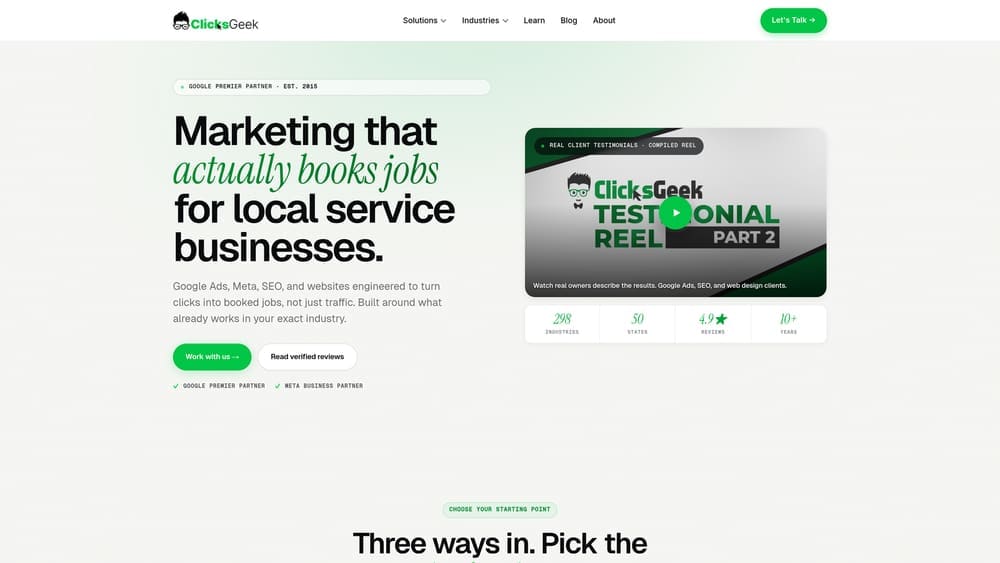
Clicks Geek is a Google Premier Partner agency specializing in done-for-you PPC management with a conversion-focused approach designed specifically for local businesses.
Where This Tool Shines
The biggest advantage of working with Clicks Geek is eliminating the costly trial-and-error phase most small businesses face when managing their own paid advertising. Their Google Premier Partner status means they’ve demonstrated expertise and performance across multiple client accounts, giving you access to advanced features and beta programs not available to typical advertisers.
What sets them apart is their emphasis on conversion rate optimization alongside campaign management. Many agencies focus solely on driving traffic, but Clicks Geek builds complete lead systems that optimize every step from ad click to customer acquisition. This approach typically delivers better ROI than self-managed campaigns, especially for businesses without dedicated marketing teams.
Key Features
Google Premier Partner Status: Access to advanced tools, beta features, and direct Google support that individual advertisers don’t receive.
CRO-Focused Optimization: Campaign management includes landing page analysis and conversion funnel improvements, not just ad management.
White Label Services: Agencies can partner for white label PPC, Facebook ads, and SEO services under their own branding.
Revenue-Driven Approach: Focus on profitable growth and actual sales rather than vanity metrics like impressions or clicks.
Dedicated Account Management: Direct access to experienced managers who understand local business challenges and market dynamics.
Best For
Local service businesses, professional services, and small B2C companies that want professional campaign management without hiring an in-house team. Particularly valuable for businesses with monthly ad budgets of $2,000 or more who need campaigns that actually convert into revenue rather than just traffic.
Pricing
Custom pricing based on ad spend and service scope. Contact for a free audit to understand realistic expectations for your market and budget.
2. Google Ads
Best for: Capturing high-intent customers actively searching for your products or services
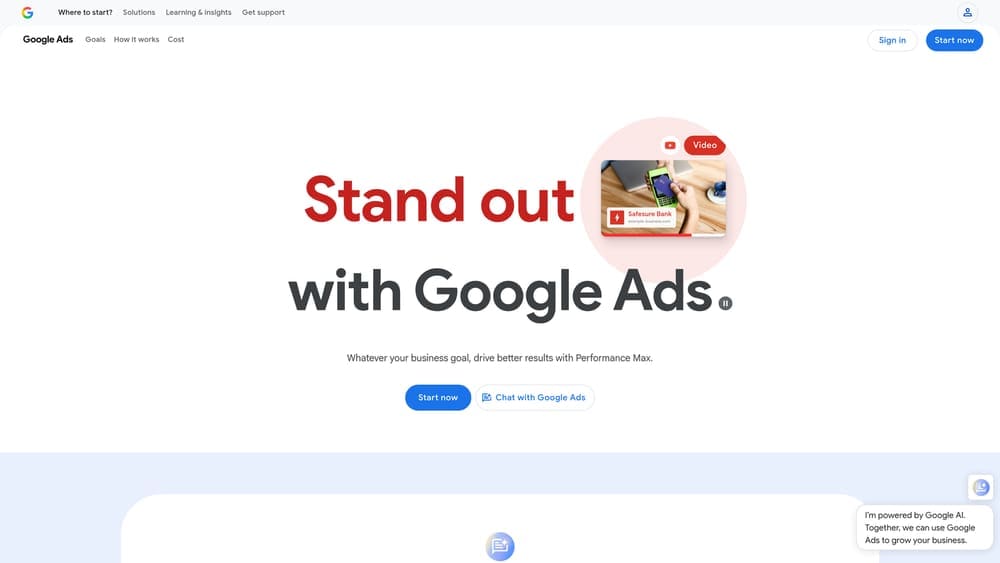
Google Ads is the dominant search advertising platform, giving businesses access to users at the exact moment they’re searching for solutions across Search, Display, YouTube, and Shopping networks.
Where This Tool Shines
Google Ads excels at intent-based advertising. When someone searches “emergency plumber near me” or “best accounting software for small business,” they’re actively looking for a solution right now. This makes Google’s search network fundamentally different from social platforms where you’re interrupting people’s browsing.
The platform’s conversion tracking and analytics capabilities are industry-leading. You can trace every lead, sale, and phone call back to specific keywords, ads, and campaigns. This transparency makes it easier to identify what’s working and eliminate what’s not, which is critical when every advertising dollar matters.
Key Features
Search Network Advertising: Show text ads to users actively searching for keywords related to your business.
Local Services Ads: Pay-per-lead format for service businesses with Google Guaranteed badge and prominent placement.
Performance Max Campaigns: AI-powered automation that optimizes across all Google networks simultaneously.
Shopping Ads: Visual product listings for e-commerce businesses with images, prices, and merchant information.
Conversion Tracking: Track calls, form submissions, purchases, and custom actions with detailed attribution reporting.
Best For
Nearly any small business with customers who search online before buying. Particularly effective for service businesses, B2B companies, and e-commerce stores selling products people actively search for rather than impulse purchases.
Pricing
Self-service platform with pay-per-click pricing. Costs vary dramatically by industry, from $1 per click in less competitive niches to $50 or more for high-value keywords in legal, insurance, or finance sectors.
3. Meta Ads (Facebook & Instagram)
Best for: Visual products, broad awareness campaigns, and sophisticated audience retargeting
Meta Ads is the leading social media advertising platform offering sophisticated targeting across Facebook and Instagram with powerful visual ad formats and retargeting capabilities.
Where This Tool Shines
Meta’s targeting capabilities remain unmatched for reaching specific demographics, interests, and behaviors. You can target dog owners in your city who recently got engaged and are interested in outdoor activities. This granular targeting makes Meta ideal for businesses with well-defined customer profiles.
The platform’s retargeting capabilities through the Meta Pixel are particularly valuable for small businesses. You can show ads to people who visited your website, engaged with your content, or abandoned their shopping carts. This keeps your business top-of-mind and typically converts at much higher rates than cold traffic campaigns.
Key Features
Advanced Audience Targeting: Layer demographics, interests, behaviors, and custom audiences for precise targeting.
Custom and Lookalike Audiences: Upload customer lists or create audiences similar to your best customers.
Multiple Ad Formats: Stories, Reels, Carousel ads, Collection ads, and traditional feed placements across both platforms.
Meta Pixel Retargeting: Track website visitors and show them relevant ads based on their browsing behavior.
Advantage+ Campaigns: AI-powered automation that optimizes creative, audience, and placement decisions.
Best For
Businesses selling visually appealing products, local businesses building brand awareness, e-commerce stores with strong product photography, and companies with longer sales cycles that benefit from staying visible to prospects over time.
Pricing
Self-service platform typically charging per 1,000 impressions. Small businesses commonly see CPMs between $10 and $15, though costs vary by industry, audience competitiveness, and ad quality.
4. Microsoft Advertising (Bing Ads)
Best for: Lower-cost alternative to Google Ads with less competition and higher-income audience
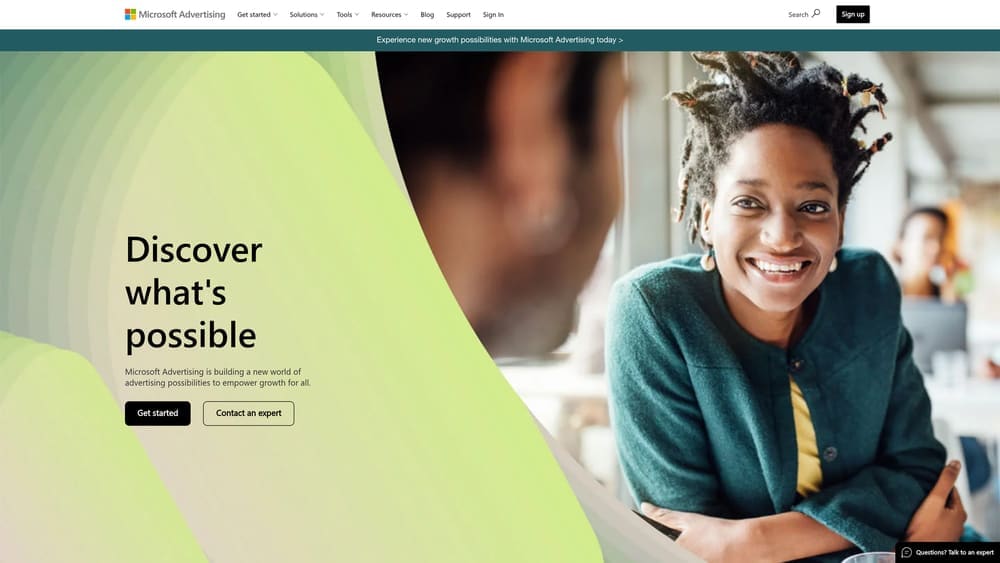
Microsoft Advertising reaches users on Bing, Yahoo, and partner sites, offering similar search advertising capabilities as Google but with typically lower costs and different audience demographics.
Where This Tool Shines
The platform’s biggest advantage is lower competition and cost-per-click rates. Many advertisers focus exclusively on Google, leaving Microsoft’s network underutilized. This often translates to 20 to 30 percent lower CPCs for similar keywords, stretching your advertising budget further.
Microsoft’s audience skews older and higher-income compared to Google’s broader demographic mix. If your ideal customers are established professionals or business decision-makers, this demographic advantage can deliver better conversion rates despite lower overall search volume.
Key Features
Google Ads Import: Copy campaigns directly from Google Ads with a few clicks, eliminating duplicate setup work.
LinkedIn Profile Targeting: Unique integration allowing targeting by job title, company, and industry from LinkedIn data.
Microsoft Audience Network: Extend reach beyond search to native ad placements across Microsoft properties.
Lower Competition: Fewer advertisers competing for the same keywords typically means lower costs and better ad positions.
Search Partner Network: Reach users on Yahoo, AOL, and other partner sites beyond just Bing.com.
Best For
Small businesses already running Google Ads campaigns who want to expand reach cost-effectively. Particularly valuable for B2B companies and professional services targeting established decision-makers.
Pricing
Self-service pay-per-click model with costs typically running 20 to 30 percent lower than equivalent Google Ads campaigns in most industries.
5. LinkedIn Ads
Best for: B2B companies targeting specific job titles, industries, or company sizes
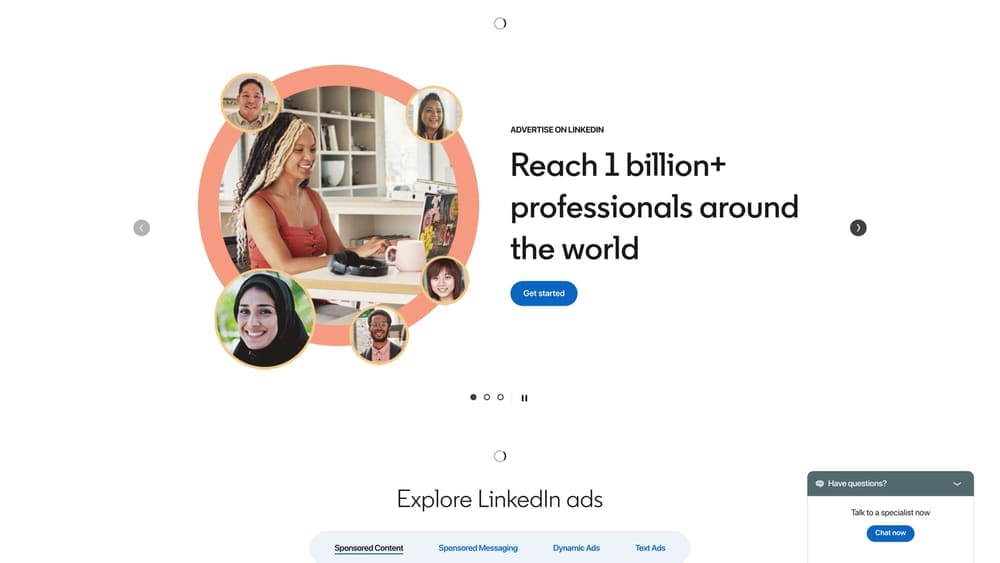
LinkedIn Ads is the premier B2B advertising platform offering unmatched professional targeting capabilities based on job title, company information, industry, and seniority level.
Where This Tool Shines
LinkedIn’s targeting precision for B2B advertising is unmatched. You can target Chief Marketing Officers at technology companies with 50 to 200 employees in specific geographic regions. This level of professional targeting simply doesn’t exist on other platforms, making LinkedIn essential for companies selling to businesses rather than consumers.
The platform’s Lead Gen Forms are particularly effective for B2B lead generation. These forms auto-populate with information from users’ LinkedIn profiles, dramatically reducing friction and increasing conversion rates compared to sending traffic to external landing pages.
Key Features
Professional Targeting: Filter audiences by job title, seniority, company size, industry, skills, and more.
Multiple Ad Formats: Sponsored Content in feeds, Sponsored InMail messages, Text Ads, and Dynamic Ads.
Lead Gen Forms: Native forms that auto-fill from LinkedIn profiles, increasing conversion rates significantly.
Account-Based Marketing: Upload specific company lists to target decision-makers at your ideal accounts.
Matched Audiences: Retarget website visitors, upload email lists, or create lookalike audiences of your best customers.
Best For
B2B companies, professional services, SaaS businesses, and any company selling products or services to other businesses. Most effective when targeting specific professional roles or industries rather than broad consumer audiences.
Pricing
Minimum daily budget of $10 with CPCs typically ranging from $5 to $15 or higher depending on targeting competitiveness. Higher costs than other platforms but justified by precise B2B targeting.
6. TikTok Ads
Best for: Reaching younger audiences with creative video content at competitive pricing
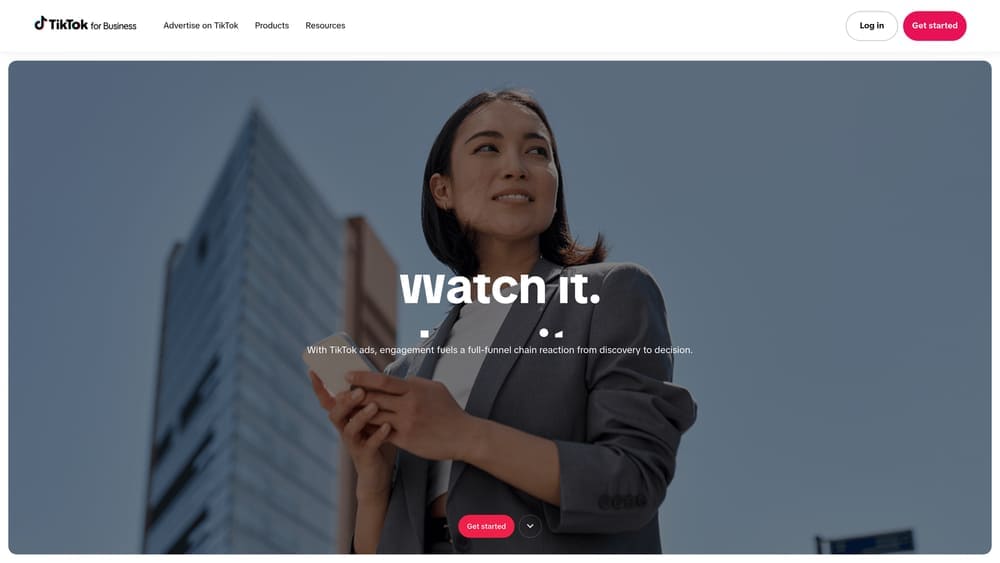
TikTok Ads is a fast-growing video advertising platform emphasizing creative, engaging short-form video content with sophisticated targeting and lower costs than established social platforms.
Where This Tool Shines
TikTok has matured from a purely Gen Z entertainment app into a legitimate advertising platform with sophisticated targeting and measurement capabilities. The platform’s creative-first approach rewards engaging, authentic content over polished corporate advertising, which levels the playing field for small businesses.
Cost-per-thousand-impressions on TikTok often run lower than Meta platforms, making it attractive for businesses with limited budgets. The platform’s algorithm also gives new advertisers a fair shot at reaching audiences, unlike more mature platforms where established advertisers dominate.
Key Features
Multiple Ad Formats: In-Feed ads, TopView takeovers, Branded Hashtag Challenges, and Spark Ads that promote organic posts.
TikTok Shop Integration: Native e-commerce capabilities allowing users to purchase directly within the app.
Creative Tools: Video editor, templates, and Creative Center for developing engaging ad content.
Automated Creative Optimization: AI testing of different creative combinations to identify top performers.
Competitive Pricing: Lower CPMs compared to established platforms, stretching advertising budgets further.
Best For
Consumer brands targeting younger demographics, e-commerce businesses with visually interesting products, and companies willing to invest in creative video content. Less effective for traditional B2B or services targeting older decision-makers.
Pricing
Minimum campaign budget of $50 per day with competitive CPM pricing. Exact costs vary by targeting and creative quality, but typically lower than Meta platforms.
7. YouTube Ads
Best for: Video advertising with Google’s targeting capabilities and pay-per-view pricing
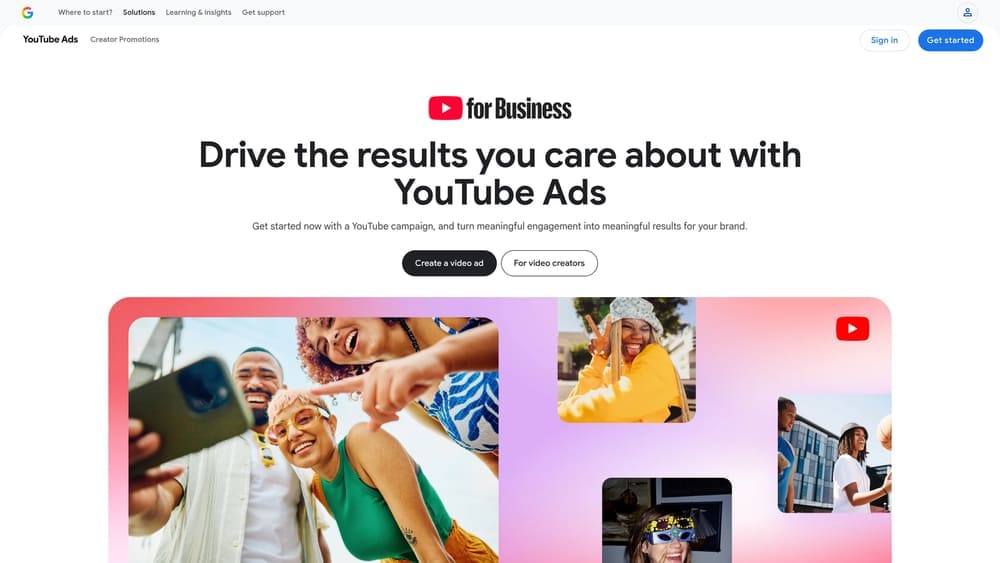
YouTube Ads leverages Google’s advertising infrastructure to reach engaged viewers with skippable, non-skippable, and bumper video ad formats across the world’s largest video platform.
Where This Tool Shines
YouTube combines the engagement power of video with Google’s sophisticated targeting capabilities. You can target by demographics, interests, keywords, topics, and even specific channels or videos where your ideal customers spend time. This makes YouTube more precise than traditional TV advertising at a fraction of the cost.
The TrueView skippable ad format is particularly cost-effective for small businesses. You only pay when viewers watch at least 30 seconds of your ad or interact with it. This means you’re not charged for users who immediately skip, ensuring you only pay for engaged viewers.
Key Features
Multiple Video Formats: Skippable in-stream ads, non-skippable ads, bumper ads, and YouTube Shorts advertising.
Google’s Targeting: Leverage the same audience, keyword, and demographic targeting available in Google Ads.
TrueView Pricing: Pay only when viewers watch your ad, not for skips or impressions.
YouTube Shorts Ads: Reach users consuming short-form vertical video content similar to TikTok and Reels.
Brand Metrics: Track brand awareness, ad recall, and consideration lift beyond just direct conversions.
Best For
Businesses with compelling video content, brands building awareness and consideration, product demonstrations that benefit from video explanation, and companies targeting audiences who regularly consume YouTube content.
Pricing
Managed through Google Ads platform with typical cost-per-view ranging from $0.10 to $0.30. Budget requirements are flexible, making it accessible for small businesses testing video advertising.
8. Amazon Advertising
Best for: E-commerce businesses selling products on Amazon’s marketplace
Amazon Advertising reaches high-intent shoppers actively browsing and purchasing products on Amazon with Sponsored Products, Brands, and Display advertising options.
Where This Tool Shines
Amazon’s advertising platform captures users at the absolute bottom of the purchase funnel. When someone is browsing Amazon, they’re not casually scrolling—they’re shopping with credit card in hand. This purchase intent makes Amazon advertising particularly effective for product conversions compared to awareness-focused platforms.
The platform’s attribution reporting directly connects advertising spend to product sales, making ROI calculation straightforward. You can see exactly which campaigns, keywords, and products are driving revenue, then optimize accordingly without guessing about conversion paths.
Key Features
Sponsored Products: Promote individual product listings in search results and product detail pages.
Sponsored Brands: Showcase your brand logo and multiple products in prominent placements above search results.
Sponsored Display: Retarget shoppers who viewed your products or similar items across Amazon and partner sites.
Amazon DSP: Programmatic advertising to reach audiences both on and off Amazon properties.
Sales Attribution: Direct tracking of advertising spend to product sales with detailed reporting.
Best For
E-commerce businesses selling physical products on Amazon’s marketplace. Essential for brands competing in crowded categories where organic visibility is limited without advertising support.
Pricing
Self-service pay-per-click model with average CPCs ranging from $0.50 to $2.00 depending on product category competitiveness. Highly competitive categories like electronics or supplements run higher.
9. Nextdoor Ads
Best for: Hyper-local businesses targeting verified neighborhood residents
Nextdoor Ads reaches verified neighborhood residents in a trusted community environment, offering neighborhood-level geographic targeting ideal for local service businesses.
Where This Tool Shines
Nextdoor’s unique value is hyper-local targeting at the neighborhood level. Instead of targeting a broad city or zip code, you can advertise specifically to the neighborhoods you actually service. This precision eliminates wasted impressions on users too far away to become customers.
The platform’s community trust factor differentiates it from other advertising channels. Nextdoor users are verified residents discussing local issues, sharing recommendations, and actively seeking service providers. Your ads appear in this trusted context rather than interrupting entertainment or social browsing.
Key Features
Neighborhood Targeting: Select specific neighborhoods rather than broad geographic areas for precise local reach.
Verified Audience: Users verify their addresses, ensuring you’re reaching actual neighborhood residents.
Local Deals: Promote special offers to nearby residents actively looking for local services and businesses.
Business Page: Maintain a free business page where neighbors can leave recommendations and reviews.
Community Context: Ads appear alongside neighbor recommendations and local discussions, increasing trust.
Best For
Local service businesses like landscaping, home services, restaurants, retail stores, and professional services targeting residential customers within specific geographic areas. Less effective for businesses serving commercial clients or those without clear geographic boundaries.
Pricing
Starts at just $2 per day with pay-per-impression or pay-per-engagement options. Low minimum budgets make it accessible for small local businesses testing neighborhood advertising.
Making the Right Choice
Your ideal advertising platform depends on where your customers are and how they prefer to discover businesses like yours. Google Ads excels at capturing active searchers ready to buy right now. Meta platforms work best for visual products and building awareness among specific demographics. LinkedIn is non-negotiable for B2B companies targeting professional decision-makers. Nextdoor delivers unmatched hyper-local reach for neighborhood-based services.
The common thread among successful small business advertising? Consistency and optimization. Running campaigns for a few weeks then abandoning them rarely produces results. The platforms that win are the ones you commit to testing, measuring, and improving over time.
For many small businesses, the challenge isn’t choosing a platform—it’s executing campaigns effectively without wasting budget on the learning curve. Self-managing paid advertising requires time, expertise, and constant attention to prevent budget drain from underperforming campaigns.
Tired of spending money on marketing that doesn’t produce real revenue? We build lead systems that turn traffic into qualified leads and measurable sales growth. If you want to see what this would look like for your business, we’ll walk you through how it works and break down what’s realistic in your market.
The best platform is the one you’ll actually use consistently. Start with your highest-intent channel—usually Google Ads for most service businesses or Meta for visual products—then expand to additional platforms once you’ve proven profitability on your first channel. Spreading thin across multiple platforms before mastering one typically produces mediocre results everywhere instead of strong performance anywhere.