Every business owner knows the frustration: your phone rings constantly, your inbox overflows with inquiries, yet your close rate stays stubbornly low. The culprit? You’re spending precious time chasing leads that were never going to buy.
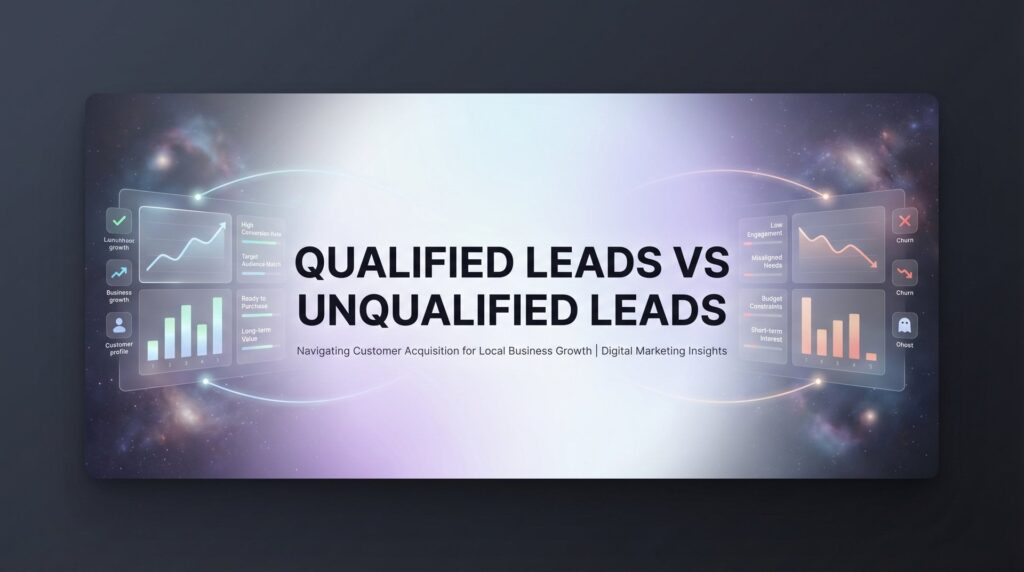
Understanding the difference between qualified leads vs unqualified leads isn’t just marketing jargon. It’s the difference between a business that struggles and one that thrives.
When you can quickly identify which prospects are ready to buy and which are just browsing, you stop wasting resources on dead ends and start focusing your energy where it actually generates revenue. This guide breaks down seven battle-tested strategies to help you separate serious buyers from tire-kickers, so every conversation you have moves your business forward.
1. Build a Lead Scoring System That Actually Works
The Challenge It Solves
Your sales team treats every lead the same, spending equal time on prospects who are ready to buy today and those who are just gathering information for a project six months away. Without a systematic way to prioritize, your best opportunities get buried under a pile of lukewarm inquiries.
Lead scoring eliminates the guesswork. It replaces gut feelings with measurable criteria that tell you exactly which prospects deserve immediate attention.
The Strategy Explained
A lead scoring system assigns point values to both demographic information and behavioral signals. Demographic factors include job title, company size, industry, and location. These tell you whether someone fits your ideal customer profile.
Behavioral signals reveal engagement level. Did they download your pricing guide? Visit your services page three times this week? Request a demo? Each action indicates buying intent and earns points.
The magic happens when you combine both dimensions. A prospect who fits your ideal customer profile AND shows high engagement gets prioritized. Someone who fits the profile but shows minimal engagement gets nurtured until they’re ready. This systematic approach helps you understand the difference between marketing qualified leads vs sales qualified leads in your pipeline.
Implementation Steps
1. Define your ideal customer profile by analyzing your best existing clients—identify common characteristics like industry, company size, budget range, and decision-making authority.
2. Assign point values to demographic matches (10 points for correct industry, 15 points for appropriate company size, 20 points for decision-maker title) and behavioral actions (5 points for email opens, 10 points for content downloads, 25 points for demo requests).
3. Set threshold scores that trigger specific actions—leads scoring 50+ points go directly to sales, 25-49 points enter nurture campaigns, and below 25 points receive educational content until engagement increases.
Pro Tips
Start simple with just five to seven criteria. Most CRM platforms like HubSpot, Salesforce, and Zoho have built-in scoring features, but even a basic spreadsheet works when you’re starting out. Review and adjust your scoring model quarterly based on which leads actually convert.
2. Create Qualification Questions That Reveal Buyer Intent
The Challenge It Solves
You’ve scheduled a call with what seems like a promising lead, only to discover fifteen minutes in that they have no budget, aren’t the decision-maker, or won’t be ready to move forward for another year. That time is gone forever, and your pipeline is full of similar dead ends.
Strategic qualification questions surface these deal-breakers in the first few minutes, not after you’ve invested hours in proposals and follow-ups.
The Strategy Explained
The BANT framework provides a proven structure for qualification conversations. BANT stands for Budget, Authority, Need, and Timeline. These four elements determine whether someone is a qualified lead vs unqualified lead.
Budget questions confirm they can afford your solution. Authority questions verify you’re talking to someone who can make decisions or has direct access to those who can. Need questions establish whether your solution actually solves a problem they’re experiencing right now. Timeline questions reveal urgency and help you prioritize your pipeline.
The key is asking these questions naturally, not like you’re reading from a script. Frame them as genuine curiosity about their situation, and you’ll get honest answers that save everyone time. Learning how to qualify leads better starts with mastering this conversational approach.
Implementation Steps
1. Develop natural-sounding questions for each BANT element—for budget try “What kind of investment range have you allocated for this?”, for authority ask “Who else needs to be involved in this decision?”, for need explore “What’s driving this search right now?”, and for timeline inquire “When do you need this in place?”
2. Create a simple intake form or qualification checklist that your team completes during or immediately after initial conversations, documenting responses to all four BANT criteria before scheduling deeper discovery calls.
3. Establish clear disqualification criteria so your team knows when to politely redirect prospects—if someone lacks budget, authority, genuine need, or reasonable timeline, they get moved to a nurture track rather than your active pipeline.
Pro Tips
Ask timeline questions first. If someone isn’t ready to move forward for six months, you can adjust the entire conversation accordingly. Listen for hesitation when discussing budget or authority—vague answers usually mean they’re not qualified, regardless of what they say.
3. Use Landing Pages to Pre-Qualify Before the First Call
The Challenge It Solves
Your contact form is too simple. Anyone can fill out name, email, and phone number in ten seconds, which means your sales team spends half their day reaching out to people who were never serious prospects in the first place.
Smart landing pages filter out poor-fit prospects before they ever reach your team, ensuring every lead that comes through has already demonstrated genuine interest and basic qualification.
The Strategy Explained
Pre-qualifying landing pages use strategic form fields and copy to create natural friction. Instead of just asking for contact information, you ask questions that require thought and commitment to answer.
This approach leverages the psychological principle of consistency. When someone invests time filling out a detailed form, they’re more committed to the conversation that follows. Tire-kickers abandon the process, while serious prospects complete it.
Your landing page copy also sets expectations. When you clearly state who you work with, what results you deliver, and what investment levels you require, you repel poor-fit prospects while attracting ideal customers who see themselves in your description. If your website isn’t generating leads, this is often the missing piece.
Implementation Steps
1. Add qualifying questions to your contact forms including budget range (use ranges, not exact numbers), project timeline (this month, this quarter, exploring for future), current situation (what problem are they trying to solve), and decision-making authority (are they the decision-maker or gathering information for someone else).
2. Rewrite your landing page copy to clearly define your ideal customer—specify industries you serve, minimum project sizes you accept, and the types of results clients should expect, making it obvious who should and shouldn’t apply.
3. Implement multi-step forms that reveal questions progressively rather than overwhelming visitors with a long form upfront—start with basic contact info, then reveal qualifying questions on subsequent screens, increasing commitment as they progress.
Pro Tips
Don’t hide your pricing entirely. Even a range like “Projects typically start at $5,000” filters out people with $500 budgets. Make your qualifying questions optional but incentivize completion by offering something valuable like a custom audit or strategy session for those who provide complete information.
4. Implement Behavioral Tracking to Identify Hot Prospects
The Challenge It Solves
Two leads look identical on paper, but one is actively researching solutions right now while the other casually browsed your site once three weeks ago. Without visibility into their behavior, you treat them the same and miss the opportunity to strike while the iron is hot.
Behavioral tracking reveals which prospects are showing genuine buying signals through their actions, not just their words.
The Strategy Explained
Modern marketing platforms track how prospects interact with your digital presence. Website visits, page views, time on site, email opens, link clicks, and content downloads all indicate engagement level and buying intent.
Someone who visits your pricing page three times, downloads your case studies, and opens every email you send is demonstrating significantly higher intent than someone who visited once and never returned. These behavioral signals help you distinguish qualified leads vs unqualified leads based on demonstrated interest.
The pattern of behavior matters more than individual actions. A prospect who progresses from educational content to solution pages to pricing information is moving through a buying journey. That progression signals readiness. Understanding this journey is essential when you’re trying to generate qualified leads online.
Implementation Steps
1. Set up website tracking using tools like Google Analytics combined with your CRM platform to monitor which pages prospects visit, how long they stay, and how frequently they return—pay special attention to visits to pricing, services, case studies, and contact pages.
2. Implement email engagement tracking to identify who opens your messages, which links they click, and how quickly they respond—prospects who consistently engage with your emails are showing higher interest than those who ignore them.
3. Create engagement-based triggers that alert your sales team when prospects hit certain thresholds—for example, notify sales when someone visits your pricing page twice in one week, downloads three pieces of content, or returns to your site five times in a month.
Pro Tips
Combine behavioral data with your lead scoring system. A prospect who fits your ideal customer profile and shows high engagement should jump to the top of your priority list. Don’t just track behavior—act on it. When someone shows hot signals, reach out within 24 hours while their interest is peaked.
5. Develop a Rapid Disqualification Process
The Challenge It Solves
Your team knows within five minutes that a prospect isn’t a good fit, but they spend another thirty minutes on the call anyway because they don’t know how to gracefully exit the conversation. Multiply that wasted time across dozens of unqualified leads each month, and you’re losing hundreds of hours that could be spent closing actual deals.
A systematic disqualification process gives your team permission and a framework to quickly identify poor-fit prospects and redirect them appropriately.
The Strategy Explained
Disqualification isn’t about being rude or dismissive. It’s about being honest and respectful of everyone’s time. When you recognize that someone isn’t a good fit, the professional move is to acknowledge it quickly rather than stringing them along.
The best disqualification processes include clear criteria that define who you can’t help, scripted language that politely redirects prospects, and alternative resources you can offer so the conversation ends positively even though you won’t be working together. If you’re dealing with too many unqualified leads, this process becomes essential for protecting your team’s time.
Think of disqualification as a service. You’re saving prospects from wasting money on a solution that won’t work for them, and you’re freeing up your resources to help clients you can actually serve effectively.
Implementation Steps
1. Document your disqualification criteria clearly—create a list of absolute deal-breakers such as budget below your minimum, outside your service area, needs services you don’t offer, timeline doesn’t align with your capacity, or they’re not the decision-maker and can’t connect you with one.
2. Develop polite exit scripts your team can use when they identify a disqualifying factor—something like “Based on what you’ve shared, I don’t think we’re the right fit for this project, but let me point you toward some resources that might help” keeps the conversation professional and helpful.
3. Build a referral network or resource list for common disqualification scenarios—if someone’s budget is too low, refer them to a more affordable option; if they’re outside your service area, connect them with a provider in their region; if timing doesn’t work, offer to reconnect when they’re ready.
Pro Tips
Disqualify early. The longer you wait, the harder the conversation becomes and the more time you’ve wasted. Frame it positively by focusing on fit rather than rejection. Instead of “We can’t help you,” try “This doesn’t sound like the right match, and I want to make sure you find the right solution.”
6. Align Your Ad Targeting to Attract Only Qualified Traffic
The Challenge It Solves
Your ads are getting clicks and generating leads, but most of those leads are completely wrong for your business. You’re paying for traffic from people who can’t afford your services, don’t need what you offer, or aren’t ready to buy. Every unqualified click drains your budget without contributing to revenue.
Precise ad targeting filters prospects before they click, ensuring your marketing budget attracts qualified leads vs unqualified leads from the start.
The Strategy Explained
The goal of advertising isn’t maximum traffic. It’s qualified traffic. Your ad campaigns should actively repel poor-fit prospects while attracting ideal customers.
This starts with negative keywords in PPC campaigns. Negative keywords are terms that trigger your ad to not show. If you’re a premium service provider, adding “cheap,” “free,” and “DIY” as negative keywords prevents bargain hunters from clicking your ads.
Audience targeting takes this further by showing your ads only to people who match your ideal customer profile. You can target by demographics, interests, behaviors, and even custom audiences built from your existing customer data. Addressing poor quality leads from marketing often starts with refining these targeting parameters.
Your ad copy itself becomes a filter when you clearly state who you serve and what you require. Mentioning price ranges, minimum project sizes, or specific industries in your ad copy pre-qualifies clicks.
Implementation Steps
1. Build comprehensive negative keyword lists for your PPC campaigns including terms like “free,” “cheap,” “DIY,” “how to,” job-related terms if you’re B2B, and any services you don’t offer—regularly review search query reports to identify new negative keywords based on what’s actually triggering your ads.
2. Refine your audience targeting to match your ideal customer profile—use demographic targeting for age, income, and location; interest targeting for relevant business categories; and remarketing lists to prioritize people who’ve already engaged with your content.
3. Rewrite ad copy to include qualifying information that filters clicks—mention starting prices or project minimums, specify industries you serve, state experience requirements or business size, and use language that resonates with decision-makers rather than general browsers.
Pro Tips
Monitor your cost per qualified lead, not just cost per click. An ad that gets fewer clicks but higher-quality leads delivers better ROI than one that generates high traffic with low conversion. Test different levels of qualification in your ad copy to find the sweet spot between volume and quality.
7. Train Your Team to Qualify in the First 60 Seconds
The Challenge It Solves
Your sales team wastes the first ten minutes of every call on small talk and generic questions, only discovering critical disqualifying factors after they’ve already invested significant time. By then, momentum makes it awkward to end the conversation, so they continue through a full presentation even though they know it won’t lead anywhere.
Training your team to qualify within the first minute transforms efficiency and ensures every conversation starts with clear understanding of fit.
The Strategy Explained
The first 60 seconds of any sales conversation should accomplish three things: build quick rapport, set the agenda for the call, and surface any immediate disqualifying factors. This doesn’t mean interrogating prospects or being aggressive—it means being direct and respectful about whether continuing the conversation makes sense.
Effective opening questions are open-ended but focused. They invite prospects to share their situation while revealing the information you need to assess fit. The best sales professionals listen more than they talk in these opening moments, picking up on signals that indicate qualified leads vs unqualified leads.
This approach requires training and practice. Your team needs to understand exactly what they’re listening for, have the confidence to ask direct questions early, and possess the skills to gracefully redirect when someone isn’t a fit. When leads aren’t turning into sales, improving this initial qualification conversation often makes the biggest impact.
Implementation Steps
1. Develop a standardized opening sequence that every team member uses—start with a brief rapport-building moment, then immediately transition to “To make sure I can be most helpful, let me ask you a few quick questions about your situation” before diving into your key qualifying questions.
2. Create a 60-second qualification checklist that covers your most critical criteria—train your team to gather information on budget range, decision-making authority, timeline, and primary need within the first minute through strategic questions like “What prompted you to reach out today?” and “What’s your timeline for making a decision?”
3. Role-play various scenarios in team training sessions—practice handling prospects who are evasive about budget, dealing with information gatherers who aren’t decision-makers, and gracefully exiting conversations when someone clearly isn’t qualified, building confidence and consistency across your team.
Pro Tips
The question “What prompted you to reach out today?” is remarkably effective at revealing urgency and genuine need. Listen for specificity in answers—vague responses often indicate low intent, while detailed explanations suggest real problems that need solving. Record and review calls to identify patterns in how your best salespeople qualify quickly.
Your Implementation Roadmap
Mastering the distinction between qualified leads vs unqualified leads transforms your entire business operation. Start by implementing lead scoring this week—even a simple spreadsheet system beats guessing.
Next, refine your intake questions to uncover budget and timeline early. Then, audit your landing pages and ad targeting to filter prospects before they ever reach your team.
The goal isn’t to talk to more people. It’s to talk to the right people. When every lead in your pipeline has genuine potential to become a customer, your close rates climb, your team stays motivated, and your revenue grows predictably.
Stop chasing every inquiry and start closing the ones that matter. If you want to see what this would look like for your business, we’ll walk you through how it works and break down what’s realistic in your market.
Want More Leads for Your Business?
Most agencies chase clicks, impressions, and “traffic.” Clicks Geek builds lead systems. We uncover where prospects are dropping off, where your budget is being wasted, and which channels will actually produce ROI for your business, then we build and manage the strategy for you.