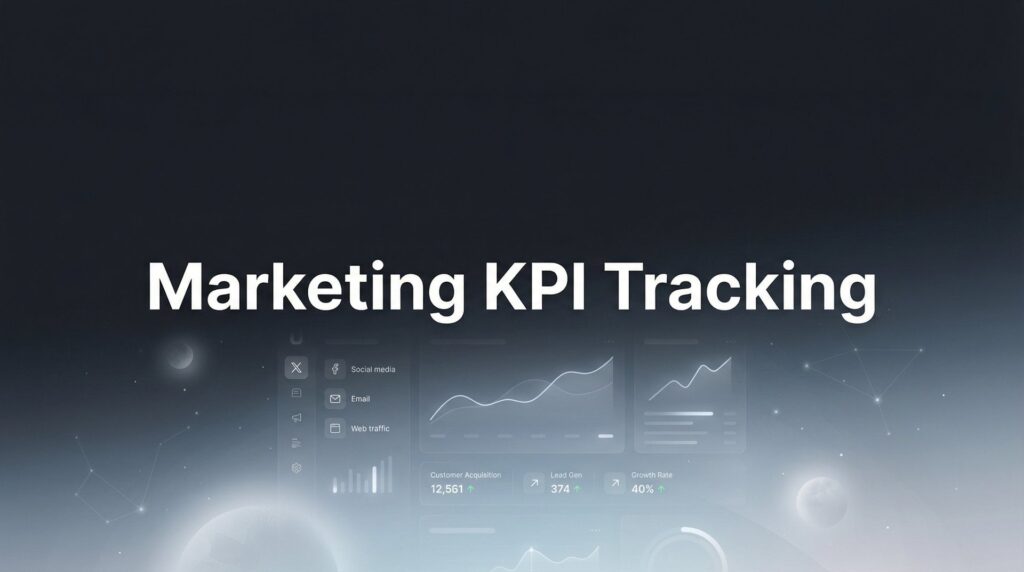
You’re spending money on ads. Your phone rings occasionally. Some leads turn into customers, but most vanish into thin air. You can’t quite connect what you’re spending to what you’re earning, and every month feels like starting from scratch.
Sound familiar?
Here’s what’s changed: your potential customers aren’t waiting for your ad to interrupt their day anymore. They’re researching on Google at 11 PM. They’re reading reviews before they ever pick up the phone. They’re comparing options, checking credentials, and making decisions long before they contact you.
This shift has created a massive opportunity for local businesses willing to adapt. Instead of chasing prospects with outbound advertising, inbound marketing lets qualified buyers find you when they’re actively looking for solutions. The businesses winning right now aren’t necessarily spending more on marketing—they’re spending smarter by creating systems that attract, educate, and convert prospects naturally.
The difference between an inbound marketing agency that delivers and one that just talks a good game? Results you can track directly to revenue. Not vanity metrics like page views or social media followers, but actual leads that turn into paying customers.
What follows are seven strategies that separate results-driven inbound marketing from expensive experiments. These aren’t theoretical concepts—they’re practical approaches that local businesses use to build predictable lead generation systems. Each strategy builds on the others, creating a compound effect that gets stronger over time.
Let’s get into what actually works.
1. Content That Solves Problems Before the Sales Call
The Challenge It Solves
Your prospects have questions. Lots of them. And right now, they’re getting answers from your competitors, industry blogs, or worse—random internet forums. By the time they contact you, they’ve already formed opinions based on information you had no control over.
This creates two problems: you’re starting sales conversations from behind, and you’re missing opportunities to connect with buyers early in their research phase when they’re most open to influence.
The Strategy Explained
Educational content marketing means creating articles, guides, and resources that directly address the questions your prospects are already asking. Not promotional fluff about how great your business is, but genuine answers to real problems.
Think about the last five sales calls where a prospect asked detailed questions before buying. Those questions? They’re content opportunities. When someone searches “how to choose a [your service] provider in [your city]” at midnight, your article should be the answer they find.
The goal isn’t just to rank on Google. It’s to demonstrate expertise so convincingly that by the time a prospect contacts you, they already trust you and view you as the obvious choice. You’ve essentially pre-sold them through education.
Implementation Steps
1. Interview your sales team and document the top 20 questions prospects ask before buying, including objections, comparison questions, and pricing concerns.
2. Create comprehensive articles answering each question honestly, including information competitors might avoid (like realistic timelines, potential challenges, or when your service isn’t the right fit).
3. Optimize each article for the specific search phrases prospects use, focusing on long-tail keywords that indicate buying intent rather than just research.
4. Update and expand your content quarterly based on new questions that emerge and changes in your market.
Pro Tips
The content that converts best often addresses uncomfortable topics competitors avoid. Articles like “What to Watch Out For When Hiring [Service Provider]” or “How Much Does [Service] Actually Cost in [City]” build tremendous trust because they prioritize helping the reader make a good decision over making a quick sale.
2. SEO That Captures High-Intent Local Searches
The Challenge It Solves
Ranking for broad keywords like “marketing services” sounds impressive, but it’s worthless if those visitors aren’t in your service area or ready to buy. Meanwhile, someone searching “best CRO agency for local businesses in [your city]” is probably ready to have a conversation this week.
Most businesses waste SEO resources chasing high-volume keywords that bring traffic but not customers. The real opportunity lies in capturing the specific, intent-driven searches that indicate someone is actively looking for what you offer.
The Strategy Explained
High-intent local SEO focuses on ranking for search phrases that combine service keywords with location and buying signals. These searches have lower volume but dramatically higher conversion rates because the person searching has already decided they need help and is looking for the right provider.
This approach works particularly well for local businesses because you’re not competing against national brands with massive SEO budgets. You’re competing for visibility among local prospects who will actually become customers. Understanding the differences between local and national marketing approaches can help you leverage this advantage effectively.
The strategy involves identifying the exact phrases prospects use when they’re ready to buy, then creating content and optimizing your site to capture those searches. Think “hire,” “best,” “near me,” “cost,” and “reviews” combined with your service and location.
Implementation Steps
1. Research long-tail keywords that combine your services with local intent and buying signals using tools like Google’s autocomplete suggestions and “People Also Ask” sections.
2. Create dedicated service pages for each major offering that specifically address local prospects, including location-specific details, local case studies, and area-specific considerations.
3. Build location-based content that answers questions specific to your market, like local regulations, climate considerations, or regional preferences that affect your service.
4. Optimize your Google Business Profile completely, including regular posts, Q&A responses, and detailed service descriptions that include the language prospects actually use.
Pro Tips
Pay attention to the questions prospects ask during sales calls that include location-specific concerns. These often reveal high-intent local search opportunities competitors haven’t addressed. A question like “Do you work with businesses in [specific neighborhood]?” suggests people are searching for providers in that specific area.
3. Lead Magnets That Actually Convert Visitors to Contacts
The Challenge It Solves
Ninety-seven percent of website visitors leave without taking action. They read your content, browse your services, maybe even spend ten minutes on your site—then disappear forever. You’ve spent money driving traffic, but you have no way to continue the conversation or follow up.
Generic “Contact Us” forms don’t cut it because most prospects aren’t ready to commit to a sales call. They need something in between reading content and scheduling a consultation.
The Strategy Explained
A lead magnet is a valuable resource you offer in exchange for contact information. But here’s what separates effective lead magnets from the downloadable junk cluttering most websites: it must provide immediate, specific value that helps prospects make progress on their actual problem.
The best lead magnets aren’t promotional. They’re genuinely useful tools, checklists, or guides that prospects would happily pay for if you charged. They demonstrate your expertise while helping prospects self-diagnose their situation or take initial steps toward solving their problem.
When done right, lead magnets convert 20-40% of targeted traffic into contacts you can nurture toward becoming customers. They also pre-qualify leads by attracting people who are serious enough about solving their problem to exchange their contact information for help. This is a core component of conversion focused marketing that drives real results.
Implementation Steps
1. Identify the specific problem your ideal prospects are trying to solve right before they’re ready to hire you, focusing on the research or planning stage.
2. Create a resource that helps them make meaningful progress on that problem—a detailed checklist, assessment tool, planning template, or step-by-step guide they can implement immediately.
3. Design a landing page that clearly explains what they’ll receive and how it will help them, using the exact language prospects use to describe their problem.
4. Promote your lead magnet through your content by mentioning it naturally when discussing related topics, and through targeted ads to people searching for information about your service category.
Pro Tips
The most effective lead magnets help prospects realize they need professional help. A comprehensive “DIY Guide to [Your Service]” that honestly outlines everything involved often converts better than promotional content because prospects realize the complexity and decide to hire an expert instead.
4. Email Nurturing That Builds Trust Over Time
The Challenge It Solves
Most prospects aren’t ready to buy the moment they find you. They need time to research, compare options, build budget, or simply convince themselves they’re ready to invest. If your only follow-up is “Are you ready to buy yet?” you’ll lose them to competitors who stay helpful during this consideration period.
The gap between initial interest and purchase decision can span weeks or months. Without a system to maintain the relationship, prospects forget about you or choose whoever they happen to be talking to when they’re finally ready.
The Strategy Explained
Email nurturing means sending a strategic sequence of helpful messages that educate prospects, address common concerns, and gradually build confidence in your expertise. The key word is “helpful”—these aren’t sales pitches disguised as newsletters.
Effective nurture sequences anticipate the questions and concerns prospects develop at each stage of their buying journey. Early emails might address fundamental questions about your service category. Middle emails tackle comparison and evaluation concerns. Later emails address implementation and ROI questions that emerge when someone is close to deciding.
The goal is to be the consistent, helpful expert voice in their inbox so when they’re ready to move forward, you’re the obvious choice. Many businesses find that nurtured leads convert at significantly higher rates than leads who receive no follow-up beyond an initial contact.
Implementation Steps
1. Map out your typical buyer’s journey from initial awareness to purchase decision, identifying the questions and concerns that emerge at each stage.
2. Create a series of 8-12 emails that address these questions in logical order, mixing educational content with social proof and occasional soft calls-to-action.
3. Set up marketing automation to deliver these emails over 4-6 weeks, with timing based on typical decision cycles in your industry.
4. Segment your email list based on lead magnet downloads, page visits, or email engagement to send increasingly relevant content as you learn more about each prospect’s interests.
Pro Tips
The most powerful nurture emails address the specific objections that prevent prospects from moving forward. If budget is a common concern, send an email explaining creative ways clients have funded your service or the cost of inaction. If timing is the issue, share stories of clients who waited and what it cost them.
5. Social Proof That Eliminates Buyer Hesitation
The Challenge It Solves
Your prospects are skeptical. They’ve been burned by previous agencies or service providers who overpromised and underdelivered. They’re reading your website thinking “This sounds good, but how do I know it actually works?”
Without credible evidence that you deliver results for businesses like theirs, prospects default to the safest choice—which is often doing nothing or choosing the provider with the most visible proof, even if they’re not actually the best option.
The Strategy Explained
Social proof means systematically collecting and deploying evidence that you deliver results. This includes customer success stories, specific results data, video testimonials, case studies, and third-party validation like certifications or awards.
But here’s what matters: specificity. Generic testimonials like “Great service!” mean nothing. What converts skeptical prospects is detailed stories from customers similar to them who faced similar challenges and achieved measurable results. This is why performance based marketing agencies often lead with concrete ROI data rather than vague promises.
The most effective social proof addresses the specific doubts your prospects have. If they worry about disruption to their business, you need testimonials specifically addressing smooth implementation. If they question ROI, you need case studies with actual numbers.
Implementation Steps
1. Create a systematic process to request testimonials and reviews from satisfied customers immediately after delivering results, when enthusiasm is highest.
2. Guide customers toward specific testimonials by asking targeted questions about their initial concerns, the results they achieved, and what surprised them most about working with you.
3. Develop 3-5 detailed case studies featuring different customer types, challenges, and results, including specific metrics and implementation details.
4. Place relevant social proof strategically throughout your website—testimonials addressing specific objections on service pages, industry-specific case studies on landing pages, and general credibility indicators on your homepage.
Pro Tips
Video testimonials where customers speak authentically about their experience convert significantly better than written quotes. Even simple smartphone videos work well because the authenticity matters more than production quality. Ask customers to address the specific concern that almost prevented them from hiring you—that’s the objection your prospects are probably facing too.
6. Marketing Automation That Scales Without Losing the Human Touch
The Challenge It Solves
Manual follow-up doesn’t scale. You can personally nurture five leads through the buying process. Maybe even ten if you’re diligent. But when you’re generating 50+ leads per month, manual follow-up means leads fall through the cracks, response times lag, and opportunities vanish.
Yet completely automated marketing feels robotic and impersonal, turning prospects off instead of building relationships. The challenge is maintaining authentic, personalized communication while handling volume that would overwhelm manual processes.
The Strategy Explained
Marketing automation uses technology to handle repetitive tasks and trigger personalized messages based on prospect behavior, freeing your team to focus on high-value interactions that require human judgment.
The key is using automation strategically. Automate the routine—sending welcome emails, delivering lead magnets, scheduling follow-ups, tracking engagement. Keep humans involved in the meaningful—responding to questions, handling objections, conducting consultations.
Effective automation feels personal because it’s triggered by specific actions and interests. When someone downloads your pricing guide, they automatically receive relevant case studies about ROI. When they visit your service page three times, your sales team gets notified to reach out. The automation handles timing and relevance while humans handle relationship-building. Choosing the right marketing automation tools is critical to making this work smoothly.
Implementation Steps
1. Map out every touchpoint in your current lead management process, identifying which steps are repetitive and which require human judgment or creativity.
2. Implement marketing automation software that integrates with your CRM and allows behavior-based triggers, starting with basic workflows before building complexity.
3. Create automated sequences for common scenarios—new lead welcome, lead magnet delivery, post-consultation follow-up, re-engagement of cold leads.
4. Set up lead scoring that assigns points based on engagement behaviors, automatically alerting your sales team when prospects reach thresholds indicating buying readiness.
Pro Tips
The most effective automated emails include personal elements that make them feel human. Use conversational language, write from a real person’s email address, and include occasional personalization tokens beyond just first names—like referencing the specific lead magnet they downloaded or the service page they visited most recently.
7. Analytics That Actually Drive Better Decisions
The Challenge It Solves
Most businesses drown in marketing data while starving for useful insights. You know your website traffic, email open rates, and social media followers. But you can’t answer the questions that actually matter: Which marketing activities generate revenue? What’s the real cost per customer? Which lead sources produce buyers versus tire-kickers?
Without clear connections between marketing activity and business results, you’re making decisions based on guesswork. You might be doubling down on channels that feel productive while neglecting the ones actually driving growth. If you’re struggling to connect the dots, you may be not tracking marketing conversions properly.
The Strategy Explained
Revenue-focused analytics means tracking metrics that connect directly to business outcomes, not just marketing activity. Instead of celebrating traffic increases, you measure how many visitors convert to leads, how many leads become customers, and how much revenue those customers generate.
This approach requires tracking the complete journey from initial website visit through closed sale. You need to know which content attracts buyers versus browsers, which lead magnets produce qualified prospects, and which nurture sequences actually move people toward purchase.
The goal is building a clear understanding of your marketing economics. When you know that blog traffic costs X, converts at Y%, and produces customers worth Z, you can make confident decisions about where to invest more and what to cut.
Implementation Steps
1. Implement conversion tracking that follows prospects from initial website visit through every interaction to final purchase, using UTM parameters and CRM integration to maintain attribution.
2. Create a simple dashboard focusing on 5-7 metrics that directly impact revenue—cost per lead by source, lead-to-customer conversion rate, customer acquisition cost, customer lifetime value, and marketing ROI.
3. Establish baseline metrics for each marketing channel and campaign, then run controlled tests to improve performance systematically rather than making random changes.
4. Review analytics weekly to identify trends and monthly to make strategic decisions, always asking “What action does this data suggest?” rather than just observing numbers.
Pro Tips
The most valuable analytics often reveal what’s not working. When you discover that 80% of your leads come from two sources while you’re spreading effort across ten channels, that’s actionable intelligence. Cut the underperformers and double down on what works. Most businesses improve results faster by doing less better than by adding more mediocre tactics. For phone-based businesses, implementing call tracking for marketing campaigns can reveal which channels actually drive revenue.
Putting It All Together
Here’s the reality: implementing all seven strategies simultaneously will overwhelm your team and dilute your results. The businesses that succeed with inbound marketing pick a starting point, execute it well, then build from there.
Your 90-day implementation roadmap depends on your current situation. If you have traffic but no leads, start with lead magnets and conversion optimization. If you have leads but they’re not converting, focus on nurturing and social proof. If you’re starting from scratch, begin with content and SEO to build your foundation.
Phase One (Days 1-30) should focus on one strategy executed excellently. Create your first lead magnet and landing page, or publish your first ten problem-solving articles, or implement basic marketing automation. Pick the strategy that addresses your biggest current gap.
Phase Two (Days 31-60) adds the complementary strategy. If you started with content, add SEO optimization. If you began with lead magnets, implement email nurturing. The strategies work together—each one amplifies the others.
Phase Three (Days 61-90) introduces measurement and optimization. Set up proper analytics, establish baselines, and begin systematic testing to improve conversion rates at each stage. Learning how to optimize your marketing campaign will help you squeeze more results from every dollar spent.
The question many businesses face is whether to build these capabilities in-house or partner with an inbound marketing agency. The honest answer depends on your resources and timeline. Building in-house gives you control and keeps knowledge internal, but requires hiring specialized talent and accepting a longer learning curve. Working with an experienced agency means faster implementation and access to proven systems, but requires finding a partner focused on your results rather than just collecting monthly fees. Understanding the tradeoffs between agency and in-house marketing can help you make the right choice for your situation.
Look for agencies that talk about revenue and customer acquisition, not just traffic and rankings. Ask about their reporting practices—do they track leads to closed sales? Request case studies from businesses similar to yours. Most importantly, evaluate whether they set realistic expectations or promise overnight results. Knowing how to hire a digital marketing agency that actually delivers will save you from expensive mistakes.
The businesses winning with inbound marketing right now aren’t necessarily the ones spending the most. They’re the ones executing consistently, measuring what matters, and optimizing based on real data. They’ve stopped chasing every new tactic and started building systems that compound over time.
Tired of spending money on marketing that doesn’t produce real revenue? We build lead systems that turn traffic into qualified leads and measurable sales growth. If you want to see what this would look like for your business, we’ll walk you through how it works and break down what’s realistic in your market.
Start with one strategy. Execute it well. Measure the results. Then build from there. That’s how you transform marketing from an expense into a predictable growth engine.
Want More Leads for Your Business?
Most agencies chase clicks, impressions, and “traffic.” Clicks Geek builds lead systems. We uncover where prospects are dropping off, where your budget is being wasted, and which channels will actually produce ROI for your business, then we build and manage the strategy for you.