You’re already spending money. The question is whether it’s working. HVAC owners who type “google ads vs lead services” into a search bar aren’t doing research for fun. They’ve paid for something that didn’t deliver, and they want a straight answer about where to put the next dollar.
Here’s the honest version: neither Google Ads nor third-party lead services is universally better. They solve different problems, cost different amounts per booked job (not per lead, which is a different number), and demand different things from your operation. What follows is a channel-by-channel breakdown of the real options, including Google’s own paid products, the major aggregators, and a managed alternative for owners who don’t want to run the accounts themselves.
Ticket value matters more than most articles admit. A company doing mostly system replacements at $8,000-$12,000 a job can absorb a $120 cost per booked job without blinking. A service-call-heavy shop running $200 tickets cannot. Keep your numbers in mind as you read.
1. Clicks Geek Managed HVAC Advertising
Best for: HVAC companies that want Google Ads and LSA managed by specialists without guessing at setup
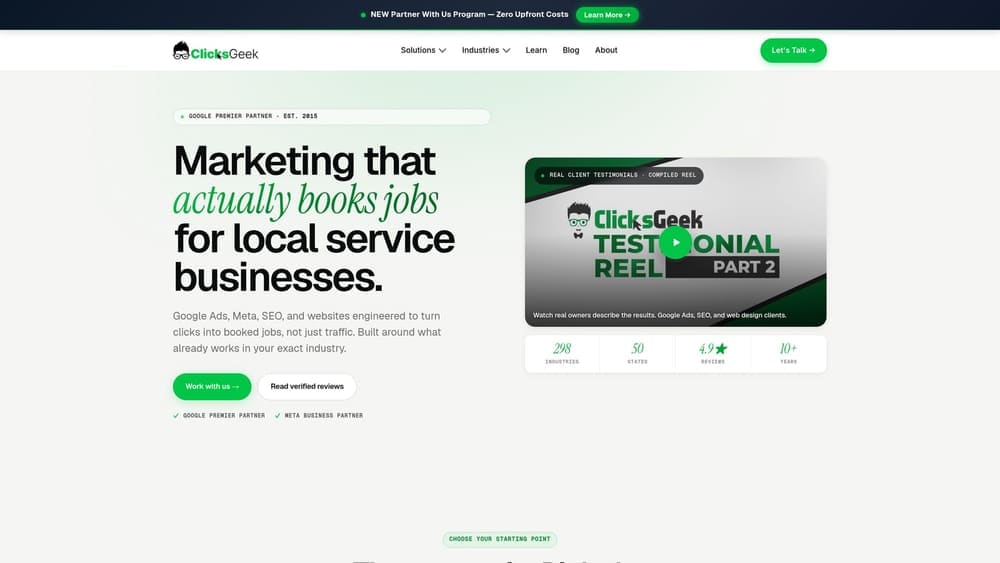
Clicks Geek is a Google Premier Partner agency based in Pennsylvania, working with local service businesses across all 50 states since 2015, including a significant number of HVAC companies. The work is built on over 10,000 campaigns and more than $100 million in managed ad spend, with industry-specific playbooks rather than generic templates applied across verticals.
Where This Tool Shines
The practical difference between a Premier Partner agency and a generalist is access. Premier Partners get beta features before they go public, direct Google support lines, and deeper campaign data. For HVAC, that matters during peak season when auction competition spikes and you need someone who can adjust bids, budgets, and targeting in real time rather than waiting for a weekly check-in.
The other differentiator is the playbook depth. HVAC campaigns require negative keyword lists that block job seekers, DIY searches, and HVAC school queries. They require call tracking set up correctly so the algorithm learns from actual phone conversions, not just clicks. Getting that wrong in the first 30-90 days of a campaign wastes the ramp period and distorts the data the system uses to optimize. Clicks Geek builds that infrastructure from day one because it’s been done across hundreds of HVAC accounts, not learned fresh on yours.
Key Features
Google Premier Partner status: Access to beta features, direct Google support, and performance data that standard accounts don’t receive.
HVAC-specific campaign playbooks: Account structure, negative keyword lists, and bid strategies built for HVAC, not adapted from a general template.
Exclusive leads: Unlike aggregator platforms, Google Ads leads generated through your campaigns go only to you, not to three other contractors simultaneously.
Transparent reporting: Campaign data presented in plain terms, including cost per lead, cost per booked job, and which campaigns are actually producing revenue.
No lock-in contracts: Month-to-month engagement, which means the relationship stays because of results, not contract terms.
Best For
HVAC companies spending at least $2,000 per month on ads that want professional management without building an in-house marketing team. Particularly well-suited for owners who have tried Google Ads on their own or through a generalist agency and got burned by poor setup or opaque reporting.
Pricing
Custom based on ad spend and scope. Ad spend minimum is typically $2,000 per month. Management fees vary by market and campaign complexity. No long-term contracts required.
<strong>2. Google Ads (Search Campaigns)</strong>
Best for: HVAC companies that want exclusive, high-intent leads with full control over targeting and budget
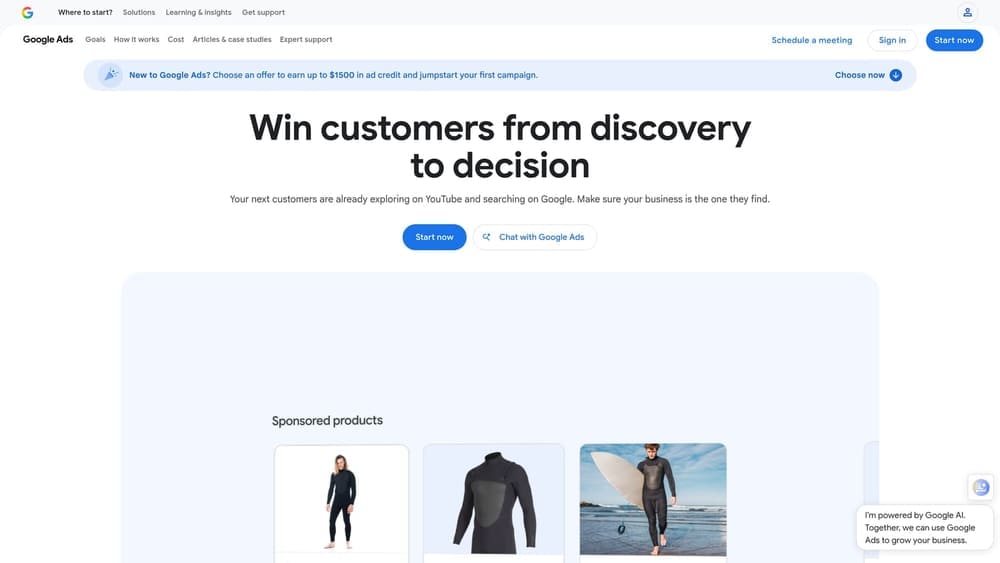
Google Ads is where someone searching “ac repair near me” at 2pm on a 95-degree day sees your business at the top of the results page. The intent is about as high as it gets in HVAC marketing.
Where This Tool Shines
The core advantage is exclusivity. When someone clicks your Google ad and calls, that lead is yours. No other contractor received the same contact simultaneously. That’s a fundamentally different dynamic than any aggregator platform, and it changes your close rate math significantly.
The second advantage is control. You set the geography down to the zip code, the hours your ads run, the keywords you target, and the daily budget cap. During a heat wave when every phone in your market is ringing, you can push more budget in real time. During your slow shoulder season, you pull back. No aggregator gives you that kind of operational flexibility. The trade-off is that this control requires competent management. Choosing the right Google Ads bidding strategies for HVAC matters because Smart Bidding works well once the account has enough conversion data, but getting to that point requires correct call tracking setup and patience through the 30-90 day ramp period.
Key Features
Exclusive leads: Clicks and calls from your ads go only to your business, not shared with competitors.
Granular targeting: Control over geography, scheduling, device, keyword match type, and audience layering.
Call tracking integration: Phone call conversions feed back into Smart Bidding, improving targeting over time as data accumulates.
Smart Bidding: Automated bid strategies that optimize toward conversions once sufficient data is in the account, typically after 30-50 conversions.
Dual intent coverage: Effective for both emergency service calls and higher-ticket replacement or installation searches.
Best For
HVAC companies in competitive markets with at least $2,000 in monthly ad spend and either the internal capacity to manage accounts properly or a qualified agency running the campaigns. Not ideal for owners who plan to set it up once and walk away.
Pricing
The platform itself is free. You pay for clicks. Based on Clicks Geek’s published benchmarks, home services CPL on Google Ads typically runs $18-$35 when campaigns are set up and managed correctly. In highly competitive metro markets, CPCs can run significantly higher.
3. Google Local Services Ads (LSA)
Best for: HVAC contractors who want pay-per-lead pricing with Google’s trust badge attached
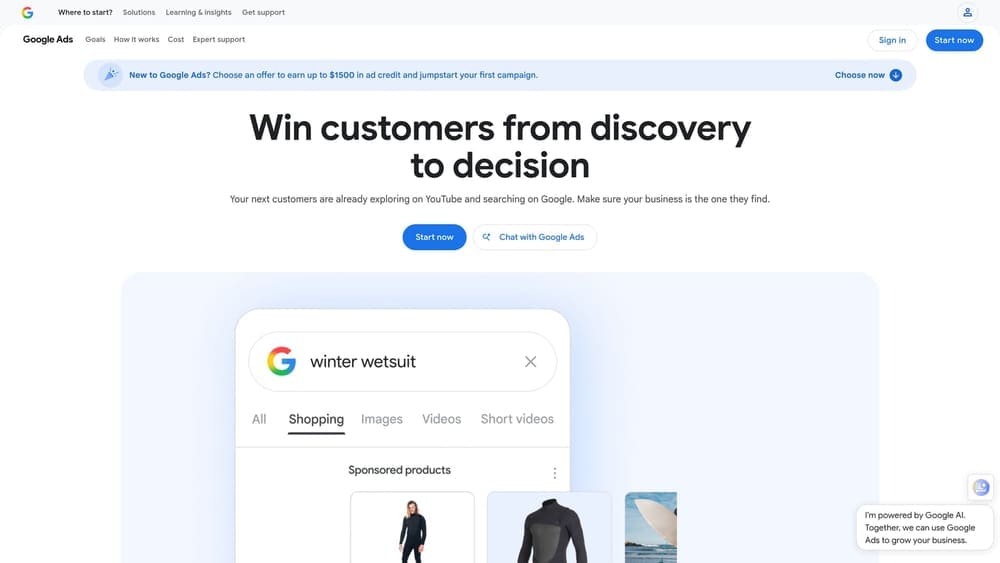
Google Local Services Ads appear above regular search ads with a green “Google Guaranteed” badge, and you pay per lead rather than per click. For verified HVAC contractors, this is one of the cleaner entry points into Google’s paid ecosystem.
Where This Tool Shines
The Google Guaranteed badge does real work at the moment a homeowner is choosing between three unfamiliar contractors. It signals that Google has verified your license, insurance, and background check. That’s a meaningful trust signal for a category where consumers are inviting strangers into their homes.
The pay-per-lead model also removes one layer of waste. You’re not paying for clicks from people who bounce after seeing your phone number. You pay when someone actually contacts you through the LSA interface by call or message. There’s also a dispute process for spam or clearly invalid leads, though it requires documentation and isn’t instant. LSA works best as a complement to Google Ads search campaigns rather than a replacement. The two products appear in different positions on the results page and reach slightly different intent signals.
Key Features
Pay-per-lead billing: Charges apply when a customer contacts you, not when they click, reducing spend on unqualified traffic.
Google Guaranteed badge: Visible trust signal requiring background check, license verification, and insurance documentation.
Dispute process: Invalid or spam leads can be disputed for a credit, with documentation required.
Review integration: Google review count and rating directly influence your ad placement, making reputation management a ranking factor.
Dual contact methods: Leads arrive by phone call or message through the Google LSA interface.
Best For
HVAC contractors who are verified, have solid Google reviews, and want a lower-risk entry point into Google’s paid products. Works well alongside search campaigns. Less effective as a standalone channel in highly competitive markets where lead volume can be inconsistent.
Pricing
Pay-per-lead through a bidding interface. Lead prices vary by market and service type. Budget is set weekly. No cost-per-click charges; you only pay when a verified lead contacts you.
4. Angi
Best for: HVAC companies that want volume quickly and have a fast, structured follow-up process in place
Angi is one of the largest home services marketplaces in the US, operating the consumer-facing Angi platform alongside Angi Ads (the pay-per-lead product used by contractors). It has a large audience of homeowners actively searching for service providers.
Where This Tool Shines
Raw reach. Angi has built substantial consumer traffic over many years, and in most US markets there’s a real pool of homeowners using the platform to find HVAC contractors. If you need lead volume quickly and have the sales infrastructure to work it, Angi can generate contacts faster than a new Google Ads account still in its ramp period.
The visibility of your company profile, reviews, and credentials on the platform also gives homeowners a way to evaluate you before they reach out. That’s a meaningful difference from a cold call generated by a less-established aggregator. The significant downside is the shared lead model. When a homeowner submits a request, that contact typically goes to multiple contractors at the same time, often three or four. Speed of response is the primary conversion factor, and the contractor who calls back in two minutes wins a disproportionate share of the jobs. If your operation can’t respond that fast consistently, your close rate on Angi leads will reflect it.
Key Features
Large consumer marketplace: Established audience of homeowners actively looking for home service contractors across hundreds of categories.
Contractor profile with reviews: Company information, reviews, and credentials visible to homeowners before they contact you.
Pay-per-lead model: Some category and geography targeting available to reduce irrelevant leads.
Membership tiers: Different spend levels available for contractors depending on desired lead volume and visibility.
Shared leads: Contacts are distributed to multiple contractors simultaneously, making speed of response the primary competitive variable.
Best For
HVAC companies with a dedicated dispatcher or CSR who can respond to leads within minutes, not hours. Better suited for companies with higher ticket services that can absorb the cost of shared leads and lower close rates. Not a fit for one-person operations without fast follow-up capacity.
Pricing
Annual membership fee plus per-lead charges. Lead prices vary by market and service category. Pricing tends to increase during peak HVAC seasons when contractor demand for leads rises.
5. Thumbtack
Best for: Smaller HVAC operators who want a simpler entry point into paid lead generation without managing a Google Ads account
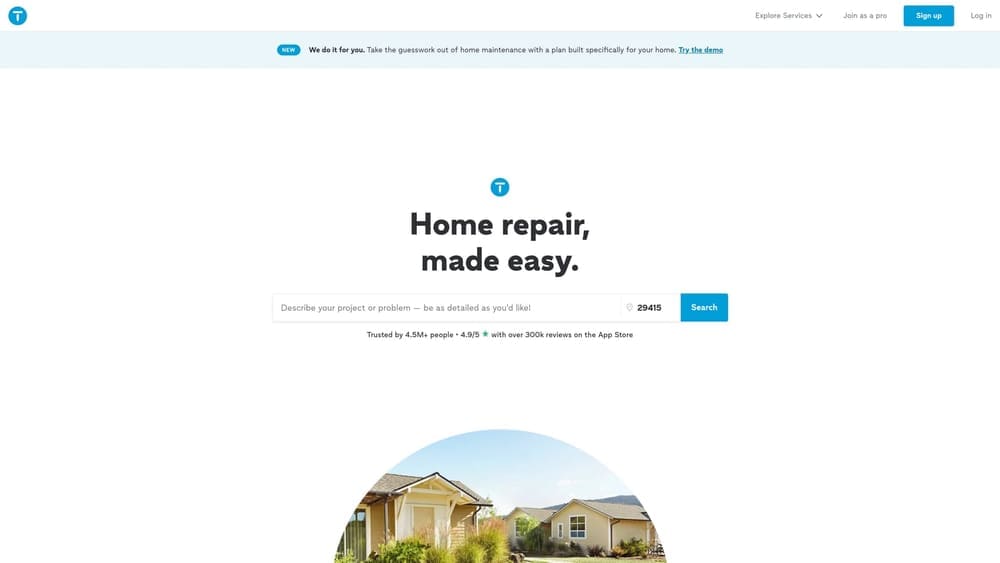
Thumbtack operates a marketplace where homeowners post projects and contractors are matched based on profile, availability, and targeting preferences, or can submit quotes directly.
Where This Tool Shines
The barrier to entry is genuinely lower than Google Ads. You’re not managing keyword lists, bid strategies, or conversion tracking. You set up a profile, define your service area and job types, and Thumbtack handles the matching. For an HVAC owner who is stretched thin and doesn’t have the bandwidth to manage a Google Ads account, that simplicity has real value.
The current pricing model charges contractors when a customer responds to their quote or contacts them directly, which means you’re not paying for dead-end impressions. The platform also surfaces your reviews and response rate to consumers, so reputation management still matters. The ceiling on Thumbtack is lower than Google Ads. You’re working within Thumbtack’s consumer audience rather than the full Google search universe, and lead volume can be inconsistent depending on your market and the job types you target.
Key Features
Simple interface: No keyword management or bid strategy required; matching is handled by the platform.
Pay-per-contact model: Charges apply when a customer responds to your quote or reaches out directly.
Profile visibility: Reviews, response rate, and credentials visible to homeowners evaluating contractors.
Job type and geography targeting: Filter by the specific HVAC services you want to receive leads for.
Lower operational overhead: Suitable for smaller operations without a dedicated marketing manager.
Best For
Solo operators or small HVAC companies looking for supplemental leads without the complexity of managing a Google Ads account. Works better for non-emergency job types where homeowners are in research mode rather than crisis mode.
Pricing
Pay-per-contact. Pricing varies by job type and market. No annual membership required, making the commitment lower than Angi or HomeAdvisor.
6. HomeAdvisor (Angi Ads)
Best for: HVAC companies that prioritize raw lead volume and have the follow-up speed to compete in a shared-lead environment
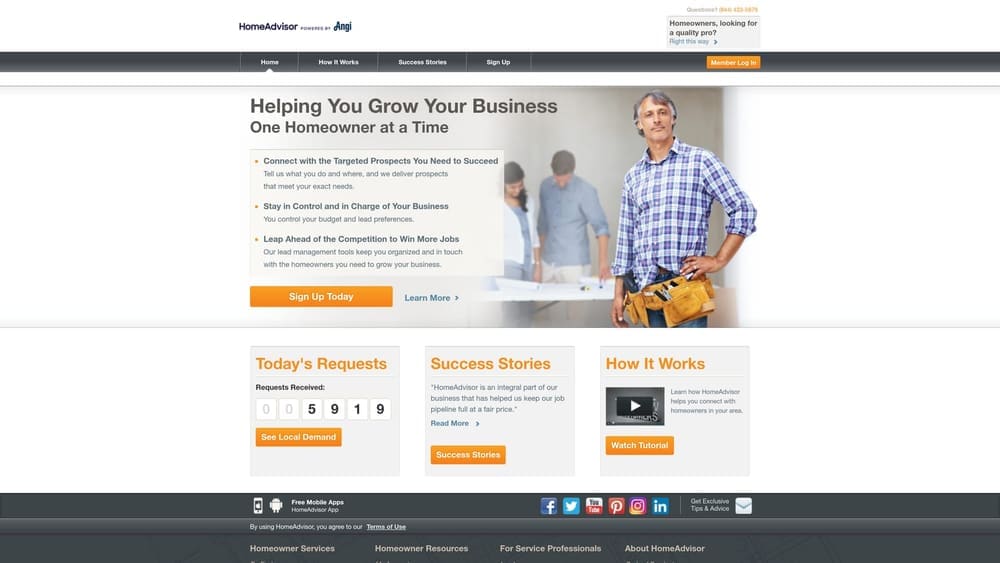
HomeAdvisor, now operating as Angi Ads under the Angi parent company, has been one of the highest-volume lead generation platforms for home service contractors for many years. The infrastructure is large and the lead flow in most markets is real.
Where This Tool Shines
Volume. In most US markets, HomeAdvisor/Angi Ads generates more raw HVAC leads than Thumbtack or Modernize. If your primary constraint is not enough contacts in the pipeline, this platform can address that faster than building a new Google Ads account from scratch.
The categorization of leads by job type also allows some targeting, so you can focus on the service categories that match your capacity and margins. Background check badges and consumer reviews on contractor profiles add a layer of credibility for homeowners unfamiliar with your company. The persistent challenge is the shared lead model. Leads go to multiple contractors simultaneously, and the contractor who calls first wins most of the business. That dynamic rewards fast, systematic follow-up and punishes any operation that lets leads sit for more than a few minutes. The cost-per-booked-job on shared leads is always higher than the cost-per-lead suggests, because your close rate on a contact that five other contractors already called is materially lower than on an exclusive lead.
Key Features
High lead volume: One of the largest networks for home service leads in most US markets.
Job type categorization: Leads filtered by service category, allowing some targeting by job type.
Annual membership plus per-lead model: Upfront commitment with ongoing per-lead charges.
Consumer-facing credentials: Background check badge and reviews visible on contractor profiles.
Shared lead distribution: Contacts sent to multiple contractors simultaneously, requiring fast follow-up to convert.
Best For
HVAC companies with a structured follow-up process, a dedicated CSR or dispatcher, and the margins to absorb the economics of shared leads. Works as a volume play, not a quality play. Owners who calculate cost-per-booked-job rather than just cost-per-lead will have a clearer picture of whether it’s working.
Pricing
Annual membership fee plus per-lead charges. Lead prices vary by market and service category, and tend to increase during peak cooling and heating seasons when contractor demand for leads is highest.
7. Modernize
Best for: HVAC companies focused on system replacement and installation who have a structured sales process for higher-ticket jobs
Modernize is a lead generation platform focused on home improvement projects including HVAC replacement, capturing homeowners earlier in the research phase through content and comparison tools rather than at the moment of emergency search.
Where This Tool Shines
The intent profile is different from the other platforms here. Modernize captures homeowners who are researching HVAC replacement, comparing systems, and thinking about financing options. They’re not in crisis. They’re in consideration mode. That means the leads tend to represent higher-ticket installation intent rather than emergency service calls, which changes the math significantly for companies that do a lot of replacement work.
For a company with a trained comfort consultant and a structured in-home sales process, a Modernize lead who is actively researching a new system is a better fit than an Angi lead who called three other contractors in the last ten minutes. The trade-off is that earlier-funnel leads require more nurturing. The homeowner isn’t ready to book tomorrow. If your sales process isn’t built for a longer consideration cycle, the lead quality advantage doesn’t translate into closed jobs.
Key Features
Replacement-focused intent: Leads are homeowners researching HVAC replacement, not primarily emergency repair calls.
Higher-ticket lead profile: Better alignment with installation and replacement jobs than service-call-heavy operations.
Shared lead model: Multiple contractors receive the same contact, consistent with other aggregator platforms.
Lead filtering options: Filter by project type and geography to match leads to your service mix.
Longer consideration cycle: Requires a follow-up and nurturing process suited to homeowners who aren’t ready to buy immediately.
Best For
HVAC companies with a meaningful portion of revenue from system replacements and a sales process designed for in-home consultations and multi-touch follow-up. Less suited for companies whose primary revenue comes from service and repair calls or who don’t have the infrastructure to work longer-cycle leads.
Pricing
Pay-per-lead. Pricing varies by market and project type. No publicly listed rates; pricing is negotiated based on geography and lead volume.
Which Channel Fits Your Situation
If you’re doing mostly system replacements with ticket values above $8,000, your CPL tolerance is high enough to make Google Ads the right primary channel. Exclusive leads at $18-$35 per lead, with a close rate that reflects no competition at the point of contact, produces a cost-per-booked-job that’s hard to beat. Add LSA alongside it for additional coverage in the search results, and you’re visible in two positions before the organic results even start.
If you’re service-call-heavy with lower average ticket values, the math gets tighter. Shared lead platforms become harder to justify when your close rate on a contact that three other contractors already received is lower, and your ticket doesn’t leave much room for acquisition cost. Google Ads managed correctly can still work, but the account needs to be built for service call intent specifically, not just general HVAC keywords.
If you’re in growth mode and need volume quickly while a Google Ads account ramps up, a short-term run on Angi Ads or HomeAdvisor can fill the calendar. Treat it as a bridge, not a foundation. The economics of shared leads don’t improve over time the way a well-optimized Google Ads account does.
The owners who get the most out of Google Ads are usually the ones who either have the time to manage accounts properly or have someone doing it for them who actually knows HVAC. Generic agency setups and DIY accounts built from tutorials tend to produce the high CPLs that send owners toward aggregators in the first place. It’s not the channel that failed. It’s the setup.
Clicks Geek has managed Google Ads and LSA for HVAC companies across all 50 states since 2015, with Premier Partner access and playbooks built from real HVAC campaign data, not adapted from a general home services template. No long-term contracts. If you want to see what this would look like for your market and your service mix, we’ll walk through the numbers with you and tell you honestly what’s realistic.