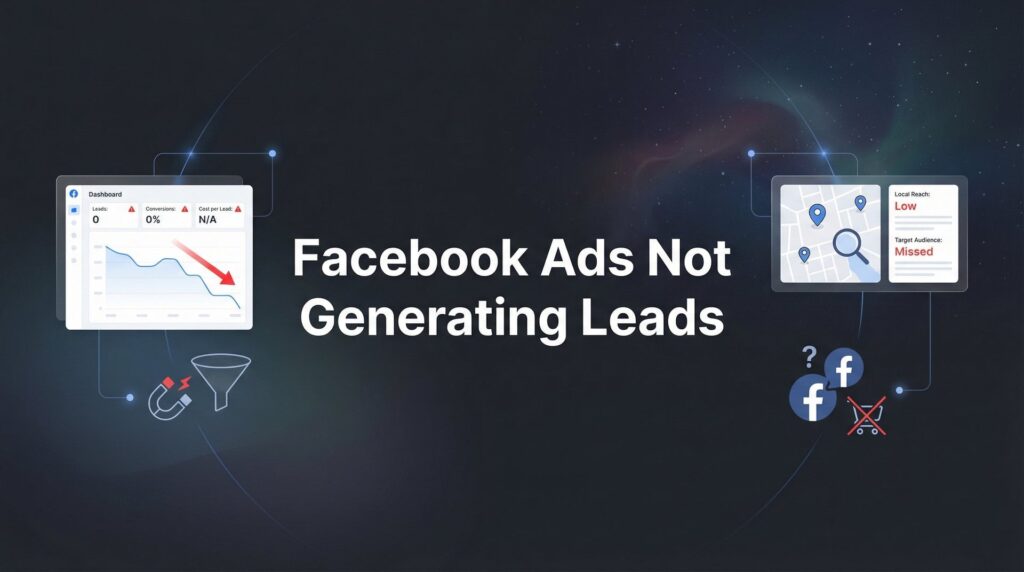
You’ve spent thousands on marketing. Your inbox fills up with “leads” that never respond. Your sales team complains the quality is terrible. The agency sends glossy reports showing “engagement metrics” while your revenue stays flat.
Sound familiar?
Here’s the truth: most businesses hire lead generation agencies the wrong way. They chase the lowest price, get dazzled by fancy presentations, or sign contracts without understanding what they’re actually buying. Then they’re locked into 12-month agreements with agencies that deliver high volumes of garbage leads while blaming your sales team for not closing them.
Hiring a lead generation agency isn’t about finding someone who can “get you leads.” Anyone can generate form fills. The real question is: can they deliver qualified opportunities that your sales team can actually convert into revenue?
That requires a completely different approach to the selection process. You need to evaluate agencies the same way you’d evaluate any strategic business partner—with clear expectations, transparent metrics, and built-in accountability mechanisms.
This guide walks you through seven proven strategies for hiring a lead generation agency that will actually move the needle for your business. These aren’t theoretical best practices. They’re the exact framework successful businesses use to separate agencies that deliver results from those that just deliver excuses.
Let’s start with the foundation that most businesses skip entirely.
1. Define Your Lead Generation Goals Before You Start Shopping
The Challenge It Solves
Most businesses approach agencies with vague objectives like “we need more leads” or “we want to grow.” Without concrete targets, you have no way to measure success or hold the agency accountable. You end up evaluating their performance based on gut feeling rather than actual business impact.
This creates a dangerous dynamic where the agency optimizes for metrics that look good in reports but don’t translate to revenue. They’ll celebrate increasing form submissions by 300% while your actual sales pipeline stays empty.
The Strategy Explained
Before you talk to a single agency, define your success metrics in business terms. What’s an acceptable cost per qualified lead in your market? How many opportunities does your sales team need monthly to hit revenue targets? What does a qualified lead actually look like for your business model?
Create a detailed ideal customer profile that goes beyond basic demographics. Include buying signals, pain points, decision-making authority, and typical sales cycle length. The more specific you are, the better an agency can target the right prospects.
Calculate your customer lifetime value and work backwards to determine realistic acquisition costs. If your average customer is worth $50,000 over three years, you can afford to spend more per lead than someone selling $500 products.
Implementation Steps
1. Document your current lead-to-customer conversion rate and average deal size to establish baseline economics
2. Define what qualifies as a “sales-ready lead” with specific criteria your sales team agrees on
3. Set concrete monthly targets for qualified leads based on your revenue goals and historical close rates
4. Determine your maximum acceptable cost per lead and cost per customer acquisition
5. Create a one-page brief summarizing these metrics to share with prospective agencies
Pro Tips
Involve your sales team in defining lead quality criteria. They’re the ones who will work these leads, so their input is critical. Also, be realistic about your market. If you’re in a competitive B2B space with long sales cycles, don’t expect $20 leads that close in a week.
2. Evaluate Industry Experience Over Generic Marketing Claims
The Challenge It Solves
Generalist agencies often sound impressive in initial calls. They’ve worked with “hundreds of clients” and know “all the latest strategies.” But when you dig deeper, you discover they’ve never worked in your industry, don’t understand your buyer’s journey, and plan to use the same cookie-cutter approach they use for everyone else.
Industry-specific knowledge dramatically shortens the learning curve and improves campaign performance from day one.
The Strategy Explained
Prioritize agencies with documented success in your specific industry or closely related verticals. They should understand your competitive landscape, know which messaging resonates with your buyers, and have experience with your typical sales cycle complexity.
Industry experience means they already know which channels work, what offer types convert, and how to qualify leads properly. They won’t waste three months “testing” strategies that experienced practitioners already know won’t work in your space.
Look for agencies that can reference specific client examples in your industry without you having to ask. They should proactively demonstrate understanding of your market dynamics, regulatory considerations, and typical objections your prospects raise.
Implementation Steps
1. Ask for case studies from clients in your industry or adjacent markets with similar complexity
2. Request references you can speak with directly about their experience and results
3. Evaluate whether the agency asks intelligent questions about your business model during discovery calls
4. Review their content, blog posts, or resources to assess their depth of industry knowledge
5. Ask them to walk through their typical approach for businesses like yours and listen for specificity versus generic frameworks
Pro Tips
If an agency can’t provide relevant case studies, ask how they plan to get up to speed on your industry. A good agency will outline a structured onboarding process including competitive research and buyer persona development. A weak one will insist their “proven process works for everyone.”
3. Demand Transparency in Their Lead Generation Methods
The Challenge It Solves
Some agencies operate like black boxes. They promise results but won’t explain their methods. They claim “proprietary systems” that they can’t disclose. This lack of transparency often masks questionable practices like buying lead lists, using spam tactics, or running campaigns that damage your brand reputation.
Without understanding their methods, you can’t assess quality, compliance risks, or long-term sustainability of their approach.
The Strategy Explained
Insist on complete transparency about which channels they’ll use, how they’ll target prospects, what messaging they’ll deploy, and how they’ll track performance. You should understand every element of their strategy before signing a contract.
Ask specific questions about their lead sources. Are they running paid search campaigns? Creating content for organic traffic? Using LinkedIn outreach? Running paid social campaigns? Each channel has different strengths, costs, and quality profiles.
Demand access to campaign data and reporting dashboards. You should be able to see real-time performance metrics, not just monthly summary reports. This includes ad spend, conversion rates, lead source breakdown, and campaign-level performance.
Implementation Steps
1. Request a detailed strategy document outlining their proposed channels, targeting approach, and messaging framework
2. Ask to see examples of actual campaigns they’ve run for similar clients (with client names redacted if needed)
3. Clarify what data and reporting access you’ll have throughout the engagement
4. Verify they’ll use ethical, compliant methods that align with your brand standards
5. Establish regular reporting cadence and specific metrics they’ll track and share
Pro Tips
Red flags include agencies that won’t share their methods, claim everything is “proprietary,” or promise results without explaining how they’ll achieve them. Legitimate agencies are proud to explain their approach because it demonstrates their expertise.
4. Assess Their Lead Qualification Process
The Challenge It Solves
The biggest complaint about lead generation agencies is poor lead quality. Your sales team wastes time calling people who aren’t decision-makers, don’t have budget, or were never actually interested in your solution. The agency counts them as “leads delivered” while your team gets frustrated and your close rate tanks.
A robust qualification process filters out tire-kickers and ensures your sales team only works genuine opportunities.
The Strategy Explained
Evaluate how the agency defines, scores, and qualifies leads before passing them to your team. They should have a structured methodology that goes beyond “they filled out a form.”
Strong agencies use multi-point qualification that includes verifying contact information, confirming decision-making authority, assessing timeline and budget, and validating genuine interest through follow-up questions or engagement signals.
They should explain their lead scoring model and how they differentiate between marketing qualified leads and sales qualified leads. Not every inquiry deserves immediate sales attention—some need nurturing first.
Implementation Steps
1. Ask them to walk through their complete lead qualification process step-by-step
2. Review their lead scoring criteria and ensure it aligns with your definition of quality
3. Clarify whether they provide any lead verification or enrichment services
4. Establish clear handoff procedures between the agency and your sales team
5. Define how you’ll handle disputes about lead quality and what recourse you have for unqualified leads
Pro Tips
Build feedback loops into your agreement. Your sales team should be able to flag poor quality leads, and the agency should use that feedback to improve targeting. The best agencies actually want this feedback because it helps them optimize performance.
5. Negotiate Contract Terms That Protect Your Investment
The Challenge It Solves
Many businesses sign agency contracts without fully understanding the terms. They commit to 12-month agreements with no performance guarantees, unclear data ownership, and automatic renewal clauses. When the agency underperforms, they’re stuck paying for months of poor results.
Smart contract terms protect your investment and ensure both parties have skin in the game.
The Strategy Explained
Negotiate contracts that balance commitment with accountability. While agencies need reasonable time to optimize campaigns, you shouldn’t be locked into long-term agreements without performance benchmarks.
Clarify data ownership upfront. You should own all lead data, campaign assets, and intellectual property created during the engagement. If you part ways, you keep everything they’ve built.
Build in performance milestones with clear consequences. What happens if they don’t hit agreed-upon lead volume or quality targets? Do you get refunds, reduced fees, or the ability to exit the contract?
Implementation Steps
1. Push for shorter initial contract terms (3-6 months) with renewal options based on performance
2. Include specific performance benchmarks with defined measurement periods and remedies for underperformance
3. Ensure the contract explicitly states you own all lead data, creative assets, and campaign materials
4. Negotiate reasonable exit clauses that don’t trap you in underperforming relationships
5. Clarify exactly what’s included in the monthly fee versus additional charges for ad spend, tools, or services
Pro Tips
Avoid contracts with automatic renewal clauses unless they include performance reviews and mutual agreement to continue. Also, watch for hidden fees—some agencies charge management fees on top of ad spend, while others include everything in a flat monthly rate. Understanding lead generation service pricing structures helps you negotiate better terms.
6. Test With a Pilot Campaign Before Full Commitment
The Challenge It Solves
No matter how impressive an agency looks on paper, you won’t know if they’re the right fit until you work together. Their process might clash with your company culture. Their communication style might frustrate your team. Their actual results might not match their promises.
Pilot campaigns let you test the relationship with limited risk before committing significant resources.
The Strategy Explained
Structure a 60-90 day pilot campaign with clearly defined success metrics and a predetermined decision point. This gives the agency enough time to set up campaigns, gather data, and optimize performance while limiting your exposure if things don’t work out.
Define exactly what success looks like for the pilot. How many qualified leads do you need to see? What cost per lead is acceptable? What quality standards must they meet? Document these criteria upfront so both parties know the evaluation framework.
Use the pilot to assess not just lead volume and quality, but also communication style, responsiveness, strategic thinking, and cultural fit. These softer factors often determine long-term partnership success.
Implementation Steps
1. Propose a 60-90 day pilot with specific deliverables and success metrics before signing a long-term agreement
2. Allocate a realistic but limited budget that allows proper testing without excessive risk
3. Schedule weekly check-ins during the pilot to assess progress and address issues quickly
4. Document clear decision criteria for whether to continue, adjust, or end the relationship after the pilot
5. Plan a structured review meeting at the end of the pilot to evaluate results against benchmarks
Pro Tips
Be realistic about pilot timelines. Sixty days is often the minimum for meaningful results in B2B lead generation. Shorter pilots don’t give agencies enough time to optimize, while longer ones defeat the purpose of a low-risk test. Reading lead generation services reviews can help you shortlist agencies worth piloting.
7. Build a Partnership Mindset for Long-Term Success
The Challenge It Solves
Many businesses treat agencies like vendors—they hand off the work and expect magic to happen without ongoing involvement. But the best results come from true partnerships where both parties collaborate, share insights, and optimize together.
Without regular communication and feedback loops, campaigns stagnate, opportunities get missed, and the agency operates in a vacuum without critical business context.
The Strategy Explained
Approach the relationship as a strategic partnership rather than a transactional vendor arrangement. Share sales feedback about lead quality, conversion rates, and common objections. This intelligence helps the agency refine targeting and messaging.
Schedule regular strategy sessions to review performance, discuss market changes, and plan optimizations. The best agencies bring proactive recommendations, not just status updates.
Provide the agency with context about your business priorities, seasonal patterns, product launches, and competitive moves. The more they understand your business, the better they can align lead generation efforts with your goals.
Implementation Steps
1. Establish a regular meeting cadence (weekly or biweekly) for performance reviews and strategic discussions
2. Create a feedback system where your sales team can quickly flag lead quality issues or share conversion insights
3. Share relevant business updates that might impact lead generation strategy or messaging
4. Invite the agency to participate in relevant internal meetings where they can learn about your business
5. Celebrate wins together and use setbacks as learning opportunities rather than blame sessions
Pro Tips
The best agency relationships improve over time as both parties learn and optimize together. If you’re constantly switching agencies every few months, you never get past the learning curve. Invest in building a strong partnership with the right agency rather than perpetually searching for a better option. Many businesses find that choosing between a digital marketing agency vs in-house marketing comes down to this partnership dynamic.
Putting It All Together: Your Agency Selection Framework
Hiring a lead generation agency isn’t a decision you should rush. The wrong choice costs you more than just money—it wastes time, frustrates your sales team, and can damage your brand reputation if they use questionable tactics.
The right agency becomes a strategic growth partner who understands your business, delivers qualified opportunities, and helps you scale predictably. But finding that partner requires a structured evaluation process.
Here’s your quick-reference checklist for hiring a lead generation agency that actually delivers:
Before You Start: Define clear goals, acceptable costs, and qualification criteria so you can measure success objectively.
During Evaluation: Prioritize industry experience, demand transparency about methods, and assess their qualification process thoroughly.
In Negotiations: Protect your investment with smart contract terms, maintain data ownership, and build in performance accountability.
At Launch: Start with a pilot campaign to test the relationship before full commitment.
For Long-Term Success: Treat the agency as a strategic partner, share feedback actively, and optimize together over time.
The agencies worth working with will welcome this rigorous evaluation process. They’re confident in their methods, transparent about their approach, and eager to prove their value. The ones who resist scrutiny or pressure you into quick decisions are showing you exactly who they are.
Take your time. Ask tough questions. Demand proof. The right agency will respect your diligence because they know it leads to better partnerships and stronger results.
Tired of spending money on marketing that doesn’t produce real revenue? We build lead systems that turn traffic into qualified leads and measurable sales growth. If you want to see what this would look like for your business, we’ll walk you through how it works and break down what’s realistic in your market.
Want More Leads for Your Business?
Most agencies chase clicks, impressions, and “traffic.” Clicks Geek builds lead systems. We uncover where prospects are dropping off, where your budget is being wasted, and which channels will actually produce ROI for your business, then we build and manage the strategy for you.