Your retail store isn’t struggling because you’re doing everything wrong. You’re struggling because most marketing advice treats your local shop like it’s Amazon or Walmart. Generic strategies designed for e-commerce giants or national chains simply don’t work when you need to drive actual foot traffic to a physical location with a limited geographic reach.
Here’s the reality: You have advantages that big-box stores and online retailers can’t replicate. You know your customers by name. You can pivot your inventory in days, not quarters. You’re part of the community, not a faceless corporation. But these advantages only matter if the right people know you exist.
The retail landscape has fundamentally changed. Your potential customers are searching on their phones while walking down the street. They’re checking Instagram before deciding where to shop. They’re comparing options on Google Maps before they even leave their house. If your marketing isn’t designed specifically for this reality, you’re invisible to the customers already looking for what you sell.
This guide delivers seven battle-tested marketing strategies built specifically for retail small business owners who need every marketing dollar to work harder. These aren’t theoretical concepts or tactics that require a six-figure budget. They’re practical approaches that drive real customers through your doors today and keep them coming back tomorrow.
1. Local SEO Domination
The Challenge It Solves
Right now, potential customers in your area are searching for exactly what you sell. They’re typing “women’s boutique near me” or “hardware store downtown” into their phones. But if your business isn’t showing up in those local search results, you might as well not exist. The cruel irony? Your competitor three blocks away is capturing those customers simply because they understand how local search works.
Local SEO isn’t about ranking nationally for competitive keywords. It’s about dominating the searches that matter: people in your geographic area actively looking to buy what you sell right now.
The Strategy Explained
Local SEO for retail focuses on three critical elements that work together to make your business visible when nearby customers search. First, your Google Business Profile becomes your most powerful free marketing tool—it’s what appears in Google Maps and local search results. Second, your website needs to clearly communicate your location, hours, and what you sell in ways that Google understands. Third, you build local relevance through citations, reviews, and content that reinforces your connection to your community.
Think of local SEO as claiming your territory in the digital neighborhood. When someone searches for what you sell within your area, you want to own that real estate. Google’s local search algorithm prioritizes three factors: relevance (how well you match what they’re searching for), distance (how close you are to the searcher), and prominence (how well-known and trusted your business appears online).
Implementation Steps
1. Claim and fully optimize your Google Business Profile with accurate hours, categories, photos of your store and products, and detailed descriptions. Add posts weekly about new arrivals, promotions, or store events to keep your profile active and engaging.
2. Build consistent citations across local directories like Yelp, Facebook, and industry-specific platforms, ensuring your business name, address, and phone number match exactly across every listing. Inconsistent information confuses Google and weakens your local rankings.
3. Generate authentic customer reviews by making it easy for happy customers to leave feedback, then respond to every review—positive and negative—to show you’re engaged with your community. Reviews directly impact your local search visibility and conversion rates.
4. Create location-specific content on your website that mentions your neighborhood, nearby landmarks, and local events you participate in, giving Google clear signals about your geographic relevance and community connection.
Pro Tips
Add your exact opening and closing times for each day, including special holiday hours, and update them immediately when they change. Google penalizes businesses with inaccurate hours because it creates a poor user experience. Use the Google Business Profile messaging feature to enable direct customer communication—response speed affects your local ranking. Upload fresh photos monthly; listings with recent photos get significantly more engagement than those with outdated imagery.
2. Hyper-Targeted Social Media
The Challenge It Solves
You’re posting on social media, but your content reaches people in other states who will never walk through your door. Meanwhile, someone three miles away who would love your store has no idea you exist. Organic reach on social platforms has collapsed, making it nearly impossible for small businesses to build meaningful local audiences without paid promotion.
The solution isn’t posting more often or trying to go viral. It’s using social media’s powerful geographic targeting to reach the specific people who can actually become customers: those who live, work, or regularly visit your area.
The Strategy Explained
Hyper-targeted social media combines organic content that showcases your store’s personality with paid advertising that puts that content in front of people within your shopping radius. Instead of trying to reach everyone, you focus exclusively on the few thousand people who could realistically visit your location. This approach transforms social media from a vanity metric game into a genuine customer acquisition channel.
The key is creating content that resonates locally while using platform advertising tools to ensure only nearby potential customers see it. A post about “new spring arrivals” means nothing to someone in another state, but “new spring arrivals just in time for the Riverside Arts Festival this weekend” speaks directly to your community. When you combine that local relevance with geographic targeting, you’re essentially advertising to your neighborhood, not the entire internet.
Implementation Steps
1. Set up Facebook and Instagram ad campaigns with radius targeting around your store location, typically 3-10 miles depending on your area’s density and your typical customer travel distance. Test different radius sizes to find your sweet spot where cost-per-result stays profitable.
2. Create content that highlights what makes shopping at your physical location better than online alternatives: the ability to see products in person, immediate availability, your expertise and customer service, and the experience of visiting your store. Show your actual space, your team, and real customers enjoying your products.
3. Use platform-specific features like Instagram Stories location tags and Facebook local awareness ads to increase visibility among nearby users who may not follow you yet but fit your ideal customer profile based on interests and demographics.
4. Run retargeting campaigns to people who’ve engaged with your social content or visited your website, keeping your store top-of-mind when they’re ready to make a purchase. Pair these with special offers that create urgency to visit soon.
Pro Tips
Schedule ads to run when your target customers are most likely to see them and act—typically evenings and weekends for retail. Use video content showing your store, products, and team; it consistently outperforms static images in local campaigns. Test different calls-to-action: “Visit us this weekend,” “Stop by before Friday,” or “Come see our new collection” often outperform generic “Learn More” buttons for driving foot traffic.
3. Email Marketing That Brings Customers Back
The Challenge It Solves
Acquiring a new customer costs significantly more than bringing back an existing one, yet most retail small businesses focus almost exclusively on attracting new people while their previous customers forget they exist. You had someone walk through your door, make a purchase, and leave satisfied—then you never contacted them again. That’s leaving money on the table.
Email marketing solves the “out of sight, out of mind” problem that plagues retail businesses. It keeps you connected to customers who’ve already demonstrated interest in what you sell, giving you a direct line to bring them back for repeat purchases.
The Strategy Explained
Email marketing for retail isn’t about sending weekly newsletters that nobody reads. It’s about building a list of customers and prospects, then strategically communicating with them to drive specific actions: visiting during slow periods, taking advantage of promotions, checking out new arrivals, or simply remembering your store exists when they need what you sell.
The most effective retail email strategies segment customers based on purchase history, preferences, and engagement levels, then send targeted messages that feel personal rather than mass-market. Someone who bought hiking gear shouldn’t receive the same emails as someone who bought kitchen supplies. This relevance dramatically improves open rates, click-through rates, and most importantly, actual store visits.
Implementation Steps
1. Capture email addresses at every customer interaction: point-of-sale, in-store events, social media, and your website. Offer a compelling incentive like 10% off their next purchase or early access to sales to encourage sign-ups. Make the process friction-free with simple forms or tablet-based collection at checkout.
2. Set up automated welcome sequences that immediately engage new subscribers with your brand story, what makes your store unique, and a time-limited offer to encourage their first or next visit. Understanding how to set up marketing automation for small business can transform these manual processes into consistent revenue drivers.
3. Send strategic campaigns around key retail moments: new product arrivals, seasonal transitions, local events, slow traffic periods where you need to drive business, and personalized birthday or anniversary offers. Each email should have one clear purpose and call-to-action.
4. Segment your list based on purchase behavior and engagement, sending different messages to frequent shoppers versus one-time buyers versus people who haven’t visited recently. Re-engagement campaigns targeting lapsed customers can revive relationships that would otherwise be lost.
Pro Tips
Time your promotional emails to arrive Tuesday through Thursday mornings when people are planning their week and deciding where to shop. Include specific deadlines: “This weekend only” or “Ends Friday at 6pm” creates urgency that drives action. Always include your store hours and address in every email—make it effortless for someone to decide to visit. Test subject lines focused on benefits and urgency rather than generic announcements; “New arrivals you’ll love” performs better than “March Newsletter.”
4. Strategic Local Partnerships
The Challenge It Solves
Your marketing budget is limited, and reaching new customers through traditional advertising is expensive. Meanwhile, other businesses in your area are facing the same challenge, each trying to build awareness with their own limited resources. You’re all competing for attention in the same local market, often targeting similar customer demographics.
Strategic partnerships flip this dynamic by allowing you to access another business’s customer base while they access yours. Instead of paying for advertising to reach new people, you leverage existing relationships and trust that complementary businesses have already built with potential customers.
The Strategy Explained
Local partnership marketing connects businesses that serve similar customers but don’t compete directly. A children’s boutique partners with a toy store. A coffee shop partners with a bookstore. A fitness studio partners with a health food store. Each business promotes the other to their existing customers, expanding reach without expanding budget.
The most effective partnerships create win-win-win scenarios: both businesses benefit, and customers receive added value. This might look like cross-promotions, bundled offers, joint events, or simply recommending each other’s businesses. When a trusted local business recommends another, that endorsement carries significant weight with customers who already have a relationship with the recommending business.
Implementation Steps
1. Identify 3-5 complementary businesses in your area that serve similar customers but don’t compete with what you sell. Look for businesses where your customers would naturally also be their customers, and vice versa. Schedule informal meetings to explore mutual marketing opportunities.
2. Create simple cross-promotion agreements where you display each other’s promotional materials, include each other in email campaigns, or offer joint discounts. For example, customers who make a purchase at one location receive a discount at the partner location, encouraging them to visit both businesses.
3. Host collaborative events that pool resources and draw larger crowds than either business could attract alone. A “Girls Night Out” shopping event featuring multiple local boutiques and service providers creates a destination experience that benefits everyone involved.
4. Develop referral systems where you actively recommend partner businesses to customers when appropriate, and they do the same for you. This organic word-of-mouth marketing from trusted sources often converts better than paid advertising.
Pro Tips
Choose partners whose customer service standards match yours—a poor experience at a partner business reflects on you. Start small with one or two test partnerships before expanding to larger networks. Track results by asking customers how they heard about you; you’ll quickly identify which partnerships drive actual business versus which are just feel-good collaborations. Consider seasonal partnerships that make sense for specific times of year, like pairing with a florist around Valentine’s Day or Mother’s Day.
5. Paid Search for Foot Traffic
The Challenge It Solves
People are actively searching for what you sell, right now, in your area. They’re typing product names, categories, and “near me” queries into Google with purchase intent. But when they search, your competitors appear at the top of results while your business is buried on page two or three—or worse, not showing up at all. By the time they scroll down to find you, they’ve already clicked on a competitor.
Paid search advertising puts your business at the top of search results for the exact moments when nearby customers are looking for what you sell. Unlike SEO, which takes months to build, paid search delivers immediate visibility to high-intent local shoppers.
The Strategy Explained
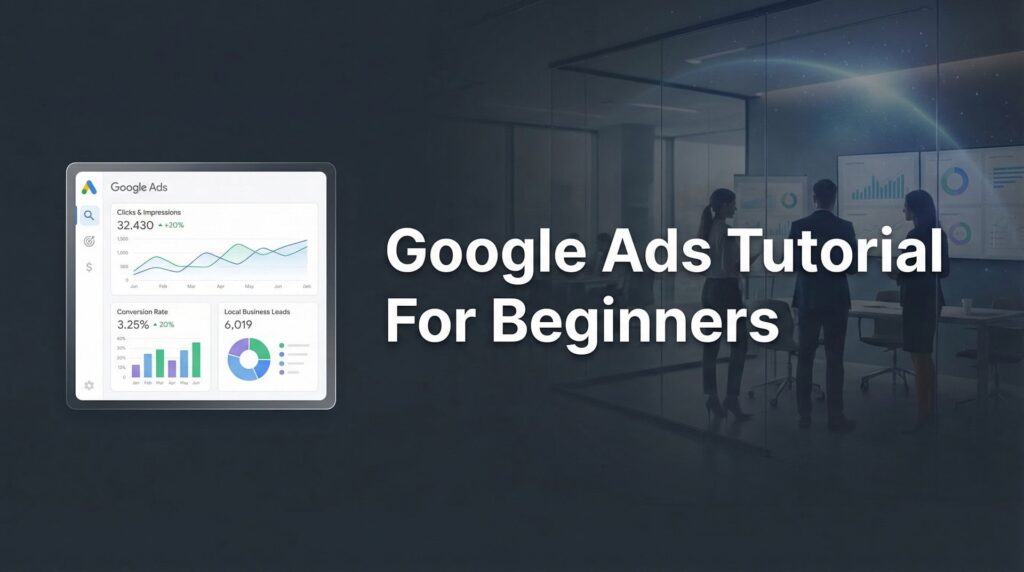
Google Ads local campaigns specifically target people searching in your geographic area with ads designed to drive store visits, not just website clicks. These campaigns combine search ads, display ads, and Google Maps placements to create multiple touchpoints with nearby customers actively looking for your products or services.
The key is focusing your budget exclusively on searches with local intent and purchase intent. Someone searching “buy running shoes near me” or “furniture store downtown” is ready to visit a physical location. Your ads appear at precisely this moment of high intent, offering your store as the solution they’re actively seeking. Google’s store visit tracking even allows you to measure how many people who clicked your ad actually visited your location. Understanding search engine marketing for small business fundamentals helps you maximize every dollar spent on these campaigns.
Implementation Steps
1. Set up Google Ads Local campaigns with radius targeting around your store, typically starting with 5-15 miles depending on your market. Connect your Google Business Profile to enable location extensions showing your address, phone number, and directions directly in your ads.
2. Build keyword lists focused on local purchase intent: product categories plus “near me,” your neighborhood name, “in [city],” and related local qualifiers. Avoid broad national keywords that waste budget on people who can’t visit your store.
3. Create ad copy that emphasizes your physical location, immediate availability, and reasons to visit today rather than shop online: “In stock now,” “Try before you buy,” “Expert help in-store,” “Visit our showroom.” Include specific promotions or unique selling points that differentiate you from both online retailers and local competitors.
4. Use ad scheduling to increase bids during your store hours and reduce or pause ads when you’re closed, ensuring you’re not paying for clicks from people who can’t immediately visit. Adjust bids higher during peak shopping times when conversion likelihood increases.
Pro Tips
Enable call extensions and click-to-call features so mobile searchers can contact you immediately with questions before visiting. Use promotion extensions to highlight current sales or special offers directly in your ads. Start with a modest daily budget and scale up campaigns that prove they drive actual foot traffic and sales. Monitor search term reports weekly to identify and exclude irrelevant searches that waste budget, while adding high-performing terms to your keyword lists. Implementing call tracking for marketing campaigns helps you measure exactly which ads drive phone inquiries and store visits.
6. Community Engagement Marketing
The Challenge It Solves
National chains can outspend you on advertising. E-commerce giants can undercut your prices. But neither can authentically embed themselves in your local community the way you can. Yet many retail small businesses fail to leverage their most powerful competitive advantage: being a genuine part of the neighborhood, not just a business located in it.
Community engagement marketing transforms your store from “a place to buy things” into “a valued member of our community.” This emotional connection creates customer loyalty that survives price competition and convenience challenges because people actively want to support businesses they feel connected to.
The Strategy Explained
Community engagement isn’t about writing checks to every charity that asks. It’s about strategically involving your business in community activities, causes, and events that align with your brand values and resonate with your target customers. This visibility builds awareness, generates goodwill, and creates natural opportunities for word-of-mouth marketing.
The most effective community engagement creates genuine value for the community while naturally showcasing your business. Sponsoring a local youth sports team puts your name in front of parents who are likely your customers. Hosting a fundraiser for a local school brings foot traffic through your door while supporting education. Participating in community festivals positions you as an active community member, not just a store trying to extract money from the neighborhood.
Implementation Steps
1. Identify 2-3 community causes or organizations that align with your business values and customer demographics. A children’s clothing store might support local schools or youth programs. A sporting goods store might sponsor recreational leagues. Choose causes you genuinely care about—customers can tell when support is authentic versus transactional.
2. Create in-store events that bring the community into your space: product demonstrations, educational workshops, meet-and-greets with local personalities, or charity fundraisers. These events drive immediate foot traffic while building relationships with attendees who experience your store environment and customer service firsthand.
3. Participate visibly in local events like street festivals, farmers markets, or community celebrations with a booth or sponsorship presence. Bring products people can interact with, offer exclusive event-only promotions, and collect contact information for future marketing.
4. Leverage your community involvement in your marketing by sharing photos, stories, and updates across social media, email, and in-store displays. This content humanizes your brand and reinforces your community connection to customers who value supporting local businesses.
Pro Tips
Focus on consistent, ongoing involvement rather than one-off gestures that feel opportunistic. Empower your team to participate in community activities and share their involvement—customers connect with people, not logos. Document your community engagement with photos and testimonials you can use in marketing materials. Partner with local media to cover your community events; local newspapers and community websites often feature stories about businesses supporting the community, generating free publicity.
7. Loyalty Programs for Repeat Purchases
The Challenge It Solves
You work hard to get customers through your door for their first purchase, but then they disappear. Maybe they had a good experience, maybe they didn’t—you have no idea because you have no system for staying connected or incentivizing them to return. Meanwhile, your competitors are actively courting these same customers, and without a reason to choose you specifically, customers default to whoever is most convenient or top-of-mind when they need to buy again.
Loyalty programs solve the repeat purchase problem by creating a systematic reason for customers to choose your store over competitors, even when alternatives are closer or cheaper. They transform one-time buyers into repeat customers and repeat customers into brand advocates.
The Strategy Explained
Modern loyalty programs for small retail businesses don’t require expensive technology or complex point systems. They require a structured approach to rewarding customers for repeat purchases in ways that are easy to understand, easy to track, and genuinely valuable. The goal isn’t to give away profit—it’s to increase customer lifetime value by encouraging more frequent visits and larger purchases.
Effective loyalty programs work because they tap into psychological principles: people want to complete things they’ve started, they value rewards they’ve earned, and they prefer businesses that recognize and appreciate their patronage. A simple punch card that offers a free item after ten purchases creates motivation to return. A digital system that tracks spending and offers tiered rewards based on purchase history encourages customers to consolidate their shopping at your store rather than splitting it among competitors. Finding the best CRM for small business marketing can streamline this entire process and provide valuable customer insights.
Implementation Steps
1. Choose a loyalty structure that fits your business model and customer shopping patterns. Retail businesses with frequent, lower-value purchases often succeed with punch cards or points-per-visit systems. Businesses with less frequent, higher-value purchases might use spend-based tiers or exclusive perks for members.
2. Implement a tracking system that’s effortless for both staff and customers. This might be physical punch cards, a simple app-based system, or integration with your point-of-sale software. The easier it is to participate, the higher your enrollment and engagement rates.
3. Create reward tiers that encourage incrementally higher spending or visit frequency. A basic reward for joining, a better reward at an intermediate level, and a premium reward for your best customers creates a progression that motivates continued participation.
4. Promote your loyalty program at every customer interaction: signage at checkout, mentions during transactions, social media posts, email campaigns, and staff training to actively enroll customers. Make joining feel like getting access to something valuable, not just another marketing gimmick.
Pro Tips
Use your loyalty program data to identify your best customers and create VIP experiences that deepen their connection to your store: early access to sales, exclusive shopping hours, or personalized thank-you gestures. Send birthday rewards or anniversary-of-first-purchase offers to create personal touchpoints that feel special. Track redemption rates—if rewards aren’t being redeemed, they’re either not valuable enough or too difficult to earn. Adjust your program based on actual customer behavior, not assumptions about what will motivate them.
Putting It All Together
You don’t need to implement all seven strategies simultaneously. In fact, trying to do everything at once typically means doing nothing well. Start with the strategies that address your most pressing challenge right now.
If nobody knows you exist, prioritize local SEO and hyper-targeted social media to build awareness among nearby potential customers. If you’re getting first-time customers but no repeat business, focus on email marketing and loyalty programs to bring people back. If you’re struggling to compete with online retailers, emphasize community engagement and strategic partnerships that reinforce why shopping local matters. For a deeper dive into marketing strategies for retail businesses, explore approaches that align with your specific store type and customer base.
The businesses that succeed with these strategies share one common trait: they treat marketing as an ongoing system, not a one-time project. They consistently show up in local search results. They regularly communicate with their email list. They maintain their community presence. They nurture their partnerships. This consistency compounds over time, building momentum that becomes increasingly difficult for competitors to overcome.
Track what matters: foot traffic, transaction counts, average purchase value, and customer retention rates. These metrics tell you whether your marketing actually drives business results, not just vanity metrics like social media followers or website visitors. Understanding which marketing metrics to track for small business ensures you’re measuring what actually impacts revenue. Adjust your approach based on what the data reveals about what’s working in your specific market with your specific customers.
The retail small businesses thriving today aren’t the ones with the biggest budgets. They’re the ones executing smart, focused marketing strategies designed specifically for driving foot traffic and building customer relationships. If you’re wondering why marketing isn’t working for your business, the answer often lies in using generic tactics instead of retail-specific approaches. They understand that every marketing dollar must work harder when resources are limited, so they invest in tactics with proven returns for retail businesses.
Tired of spending money on marketing that doesn’t produce real revenue? We build lead systems that turn traffic into qualified leads and measurable sales growth. If you want to see what this would look like for your business, we’ll walk you through how it works and break down what’s realistic in your market.
Want More Leads for Your Business?
Most agencies chase clicks, impressions, and “traffic.” Clicks Geek builds lead systems. We uncover where prospects are dropping off, where your budget is being wasted, and which channels will actually produce ROI for your business, then we build and manage the strategy for you.