Choosing where to spend your advertising budget shouldn’t feel like throwing darts blindfolded. With dozens of platforms competing for your attention—each promising massive reach and incredible ROI—the real challenge isn’t finding advertising options. It’s figuring out which platforms actually deliver results for businesses like yours.
Here’s the truth: the “best” advertising platform depends entirely on who you’re trying to reach and what you’re selling. A B2B software company targeting enterprise decision-makers needs a completely different strategy than a local plumber or an ecommerce brand selling kitchen gadgets.
This guide breaks down the top advertising platforms available in 2026, covering everything from search and social to emerging channels like audio and programmatic display. For each platform, you’ll get honest assessments of who it serves best, what makes it unique, and what you can expect to pay. We’ve focused on platforms that work for small to mid-sized businesses—skipping options that require six-figure budgets or Fortune 500 resources.
1. Google Ads
Best for: Capturing high-intent customers actively searching for your products or services
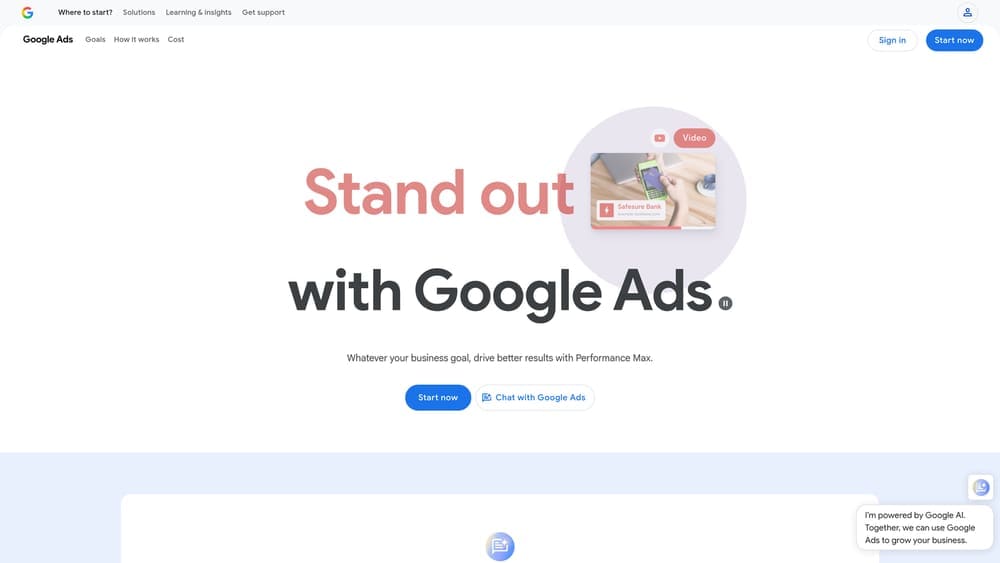
Google Ads remains the heavyweight champion of digital advertising, and for good reason—it captures people at the exact moment they’re searching for what you sell.
Where This Platform Shines
Google Ads excels at intent-based marketing. When someone types “emergency plumber near me” or “best CRM software for small business,” they’re not casually browsing—they’re actively looking for a solution. This makes search advertising fundamentally different from social platforms where you’re interrupting people scrolling through vacation photos.
The platform’s reach is staggering. Beyond Google Search, your ads can appear across YouTube, Gmail, millions of partner websites, and Google Maps. For local service businesses, Local Services Ads put you at the very top of search results with the coveted “Google Guaranteed” badge.
Key Features
Search Campaigns: Text ads appearing when people search relevant keywords, capturing demand at the source.
Performance Max: AI-driven campaigns that automatically optimize across all Google properties using your assets.
Shopping Ads: Product listings with images and prices appearing in search results, essential for ecommerce.
Smart Bidding: Machine learning automatically adjusts bids based on conversion likelihood, removing guesswork.
Conversion Tracking: Detailed tracking of calls, form submissions, purchases, and other business outcomes tied directly to ad spend.
Best For
Google Ads works for virtually any business with an online presence, but it’s particularly powerful for service businesses, local companies, and ecommerce brands. If people search for what you offer, you need to be here. The platform rewards businesses that can clearly articulate their value proposition and have optimized landing pages ready to convert traffic.
Pricing
Pay-per-click pricing means you only pay when someone clicks your ad. Average cost-per-click ranges from $1 to $50+ depending on industry competitiveness. Legal and insurance keywords can exceed $100 per click, while less competitive niches might see clicks under $1. No minimum spend required—you control daily budgets completely.
2. Meta Ads (Facebook & Instagram)
Best for: Reaching specific demographics and interests with visual, engaging content
Meta Ads offers targeting capabilities that no other platform can match, letting you reach people based on incredibly specific demographics, interests, and behaviors.
Where This Platform Shines
Meta’s real power lies in creating demand rather than just capturing it. While Google Ads reaches people actively searching, Meta shows your business to people who fit your ideal customer profile but might not know they need you yet. The platform’s data on user interests, life events, and behaviors enables precision targeting that feels almost psychic.
Visual storytelling is another massive advantage. Instagram integration means your ads appear in feeds, Stories, and Reels where people expect engaging visual content. This makes Meta ideal for businesses with strong visual appeal—restaurants, fashion brands, home services, and anything photogenic.
Key Features
Detailed Targeting: Layer demographics, interests, behaviors, and life events to reach exactly who you want.
Lookalike Audiences: Upload customer lists and Meta finds similar users, scaling what already works.
Meta Pixel: Track website visitors and retarget them across Facebook and Instagram with relevant ads.
Multiple Placements: Ads appear in feeds, Stories, Reels, Messenger, and Audience Network apps automatically.
Lead Forms: Capture contact information without sending users off-platform, reducing friction significantly.
Best For
Meta Ads excel for B2C businesses, local services, and brands with visual appeal. If your customers are consumers rather than businesses, they’re likely spending hours weekly on Facebook or Instagram. The platform particularly suits businesses with longer sales cycles that benefit from staying top-of-mind through retargeting.
Pricing
Auction-based pricing with typical CPM (cost per thousand impressions) ranging from $5 to $15. You can start with as little as $1 daily budget, though $10-20 daily provides enough data for meaningful optimization. Costs vary significantly by audience competitiveness and ad quality.
3. Microsoft Advertising (Bing Ads)
Best for: Search advertising with lower competition and access to older, higher-income demographics
Microsoft Advertising reaches searchers on Bing, Yahoo, and AOL—a smaller audience than Google, but one that’s often overlooked and underpriced.
Where This Platform Shines
The biggest advantage is simple economics: less competition means lower costs. Many advertisers ignore Bing entirely, creating opportunities for businesses willing to diversify beyond Google. In many industries, you’ll pay 20-35% less per click for similar quality traffic.
The demographic profile skews older and more affluent than Google’s audience. Bing users tend to be desktop-based, higher-income, and decision-makers—valuable characteristics for many businesses. LinkedIn profile targeting integration adds unique B2B capabilities, letting you target by job title and company directly within search ads.
Key Features
Multi-Network Reach: Ads appear across Bing, Yahoo, AOL, and partner sites with one campaign.
Import from Google: Copy existing Google Ads campaigns directly, saving hours of setup time.
LinkedIn Targeting: Layer professional data onto search campaigns for B2B precision unavailable elsewhere.
Lower Competition: Fewer advertisers bidding on keywords means better ad positions for less money.
Desktop Dominance: Strong presence on work computers and home desktops where purchasing decisions happen.
Best For
Microsoft Advertising works particularly well for B2B companies, professional services, and businesses targeting older demographics. If you’re already running Google Ads successfully, adding Microsoft is a low-effort way to capture 10-15% more search traffic at lower costs. The import feature makes testing nearly effortless.
Pricing
Pay-per-click model with no minimum spend requirement. Average CPCs typically run 20-35% lower than Google Ads in the same industries. A keyword costing $8 on Google might cost $5-6 on Microsoft. Budget flexibility matches Google—you control daily spending completely.
4. LinkedIn Ads
Best for: B2B marketing targeting specific job titles, companies, and professional audiences
LinkedIn Ads is the only platform where professional context isn’t just an option—it’s the entire environment.

Where This Platform Shines
LinkedIn’s targeting capabilities for B2B are unmatched. You can target the VP of Marketing at Fortune 500 tech companies, HR managers at healthcare organizations with 500+ employees, or software engineers at startups in specific cities. This precision is impossible on other platforms because LinkedIn is where professionals self-identify their roles, companies, and expertise.
The professional mindset matters too. Users aren’t on LinkedIn to see cat videos—they’re networking, researching industry trends, and evaluating business solutions. Your ads appear in a context where business-focused messaging feels natural rather than intrusive.
Key Features
Professional Targeting: Filter by job title, function, seniority, company size, industry, and specific companies.
Lead Gen Forms: Pre-filled forms using LinkedIn profile data capture leads without friction.
Sponsored Content: Native ads appearing in feeds alongside organic posts from connections and companies.
Message Ads: Direct messages to prospects’ LinkedIn inboxes for high-engagement outreach.
Account-Based Marketing: Upload company lists and target decision-makers at specific accounts you’re pursuing.
Best For
LinkedIn Ads are built for B2B companies selling to other businesses, particularly those with high customer lifetime values. If your average deal is worth $5,000+ and you’re targeting specific professional roles, LinkedIn’s higher costs become justified by lead quality. Software companies, consultancies, and professional services see strong results.
Pricing
Premium pricing reflects premium targeting—expect $5-15 average CPC, significantly higher than other platforms. Minimum daily budget is $10. The higher costs make sense only when selling high-value products or services where a single customer justifies substantial acquisition costs. Lead quality typically exceeds other platforms for B2B.
5. YouTube Ads
Best for: Video advertising reaching massive audiences with Google’s targeting precision
YouTube Ads combines the engagement power of video with Google’s sophisticated audience targeting across the world’s second-largest search engine.
Where This Platform Shines
YouTube reaches people in a lean-back, entertainment mindset where video storytelling can create emotional connections impossible with text ads. The platform’s scale is staggering—billions of hours watched monthly across every demographic imaginable. Whether you’re targeting teenagers or retirees, they’re watching YouTube.
The TrueView format changes the economics of video advertising. You only pay when someone watches at least 30 seconds of your ad or interacts with it. This means you can build brand awareness essentially for free when viewers skip immediately, while only paying for genuinely interested prospects who watch.
Key Features
Skippable TrueView Ads: Pay only when viewers choose to watch, ensuring engaged audiences.
Non-Skippable Ads: 15-second forced views for guaranteed message delivery during high-value content.
Bumper Ads: Six-second unskippable spots perfect for quick brand impressions and frequency building.
Google Audience Targeting: Use the same demographic, interest, and intent signals available in Google Ads.
Connected TV Reach: Ads appear on television screens through YouTube app, reaching living room viewers.
Best For
YouTube works for businesses that can tell compelling stories visually and have the resources to create quality video content. It’s particularly effective for brand building, product demonstrations, and reaching younger demographics. Ecommerce brands, consumer products, and services that benefit from visual explanation see strong results.
Pricing
Cost-per-view typically ranges from $0.10 to $0.30, making video advertising surprisingly affordable. Awareness campaigns using CPM bidding cost similarly to display advertising. All YouTube advertising is managed through Google Ads platform, allowing easy integration with search campaigns.
6. TikTok Ads
Best for: Reaching Gen Z and younger millennials with entertaining, native video content
TikTok Ads has exploded from trendy newcomer to essential platform for brands targeting younger audiences with authentic, entertaining content.
Where This Platform Shines
TikTok’s algorithm is eerily good at showing users content they’ll love, even from accounts they don’t follow. This means your ads can reach massive audiences based on interests and behaviors rather than requiring existing followers. The platform rewards creativity and authenticity over production value—raw, genuine content often outperforms polished corporate videos.
The engagement rates dwarf other social platforms. Users spend an average of 95 minutes daily on TikTok, scrolling through an endless feed of short videos. This creates opportunities for brands willing to embrace the platform’s playful, trend-driven culture rather than fighting it with traditional advertising approaches.
Key Features
In-Feed Ads: Native video ads appearing in users’ For You feeds alongside organic content.
Spark Ads: Boost your own organic posts or partner with creators to amplify existing content.
Interest Targeting: Reach users based on content they engage with and behaviors they exhibit.
Hashtag Challenges: Create branded challenges encouraging user-generated content and viral participation.
Creator Marketplace: Connect with influencers for authentic partnerships that feel native to the platform.
Best For
TikTok excels for consumer brands targeting audiences under 35, particularly Gen Z. If your product is visual, trend-worthy, or benefits from demonstration, TikTok offers unmatched engagement. Fashion, beauty, food, entertainment, and lifestyle brands see exceptional results. B2B and traditional service businesses often struggle unless they’re willing to get creative.
Pricing
Minimum daily budget is $50 for campaigns, making TikTok more expensive to test than Meta or Google. Typical CPM runs $10-15. The platform is best suited for awareness and engagement rather than direct response, though conversion tracking capabilities continue improving. Budget accordingly for longer-term brand building.
7. Amazon Advertising
Best for: Ecommerce brands selling on Amazon reaching shoppers with immediate purchase intent
Amazon Advertising captures customers at the absolute bottom of the funnel—people already on Amazon, ready to buy, searching for exactly what you sell.
Where This Platform Shines
The intent level on Amazon is unmatched. Someone searching “stainless steel water bottle” on Amazon isn’t researching or browsing—they’re shopping with credit card in hand. Your ads appear directly in search results and on product pages where purchasing decisions happen, often capturing the sale within minutes.
For brands selling physical products on Amazon, advertising isn’t optional—it’s how you compete. Organic rankings are increasingly difficult to achieve without advertising support. Sponsored Products ads drive sales that improve organic rankings, creating a virtuous cycle. The platform also provides invaluable data on which keywords and products convert best.
Key Features
Sponsored Products: Ads appearing in search results and product pages, driving direct sales immediately.
Sponsored Brands: Headline ads featuring your logo and multiple products, building brand presence.
Sponsored Display: Retargeting ads appearing on and off Amazon based on shopping behavior.
Shopping Behavior Targeting: Reach customers based on what they’ve viewed, searched, and purchased previously.
Amazon DSP: Programmatic display advertising extending reach beyond Amazon properties to the broader web.
Best For
Amazon Advertising is essential for any brand selling products on Amazon’s marketplace. If you’re not advertising, competitors are capturing your potential customers. The platform works best for established sellers with multiple products and healthy margins, as advertising costs can consume 10-30% of revenue depending on category competitiveness.
Pricing
Cost-per-click model with average CPCs ranging from $0.50 to $3.00 depending on product category. Competitive categories like supplements and electronics see higher costs, while niche products may cost less. Requires active Amazon seller account. Budget control is granular—set daily limits and adjust based on performance.
8. Pinterest Ads
Best for: Visual discovery advertising reaching consumers in planning and inspiration phases
Pinterest Ads captures people at the beginning of their buying journey, when they’re dreaming, planning, and collecting ideas for future purchases.
Where This Platform Shines
Pinterest users aren’t passively scrolling—they’re actively planning weddings, home renovations, recipes, fashion looks, and travel adventures. This planning mindset creates a unique opportunity to influence decisions weeks or months before purchase. A home services company advertising bathroom renovations reaches homeowners in the inspiration phase, not just those ready to hire today.
The content lifespan on Pinterest dramatically exceeds other social platforms. While a Facebook post dies within hours, Pinterest Pins continue appearing in searches and recommendations for months. This means your advertising investment compounds over time as Pins gain organic traction, unlike the immediate decay on other platforms.
Key Features
Promoted Pins: Ads that blend seamlessly with organic content, appearing in feeds and search results.
Shopping Ads: Product catalog integration showing items with prices directly in Pinterest searches.
Interest Targeting: Reach users based on topics they actively search and save to boards.
Keyword Targeting: Appear in searches for specific terms, similar to search advertising but visual.
Long Content Life: Pins continue driving traffic months after initial promotion as they gain organic distribution.
Best For
Pinterest excels for home decor, fashion, food, beauty, DIY, and wedding-related businesses. The user base skews heavily female and toward higher household incomes. If your business benefits from visual inspiration and has a longer sales cycle, Pinterest can build awareness that converts later. Ecommerce brands with photogenic products see particularly strong results.
Pricing
Cost-per-click typically ranges from $0.10 to $1.50, significantly lower than most social platforms. CPM options available for awareness campaigns. Minimum bid is just $0.10, making Pinterest accessible for smaller budgets. The lower costs reflect earlier-stage intent but can deliver impressive ROI for patient marketers.
9. Nextdoor Ads
Best for: Hyperlocal advertising reaching neighbors in specific geographic areas
Nextdoor Ads taps into neighborhood networks where recommendations carry the weight of trusted referrals from people who live nearby.
Where This Platform Shines
Nextdoor’s unique value is hyperlocal trust. When you advertise on Nextdoor, you’re not just another business—you’re a neighbor. The platform’s recommendation culture means satisfied customers actively endorse businesses to their neighbors, creating word-of-mouth amplification that traditional advertising can’t buy.
Geographic targeting reaches neighborhood-level precision. You can advertise to specific ZIP codes, neighborhoods, or even custom radius around your business location. For service businesses, this eliminates wasted spend on people too far away to realistically become customers. The platform particularly suits businesses where proximity matters—home services, restaurants, retail, and local professionals.
Key Features
Neighborhood Targeting: Reach specific neighborhoods or radius around your business with precision.
Local Deals: Promote special offers that appear in neighborhood feeds and email digests.
Sponsored Posts: Native content appearing in feeds alongside neighbor conversations and recommendations.
Business Page: Free organic presence where neighbors can leave recommendations and reviews.
Recommendation Engine: Satisfied customers can recommend you, triggering notifications to neighbors seeking services.
Best For
Nextdoor is ideal for local service businesses—plumbers, electricians, landscapers, house cleaners, and contractors. Restaurants, local retail, and professional services like dentists and real estate agents also perform well. The platform suits businesses where customers prefer hiring someone nearby and value neighbor recommendations over corporate advertising.
Pricing
Self-serve advertising starts around $2 CPM, making it affordable for small businesses. Local deals have flat fees that vary by market size. No minimum spend requirements for most ad formats. The lower costs reflect smaller reach compared to major platforms, but the targeting precision and trust factor deliver strong ROI for local businesses.
10. Spotify Ads
Best for: Audio advertising reaching engaged listeners during music and podcast consumption
Spotify Ads delivers your message during intimate moments when listeners are fully engaged with audio content, creating unique opportunities for voice-driven advertising.
Where This Platform Shines
Audio advertising captures attention differently than visual platforms. Listeners can’t scroll past or ignore audio ads—they’re fully engaged during the 15-30 second spot between songs or podcast segments. This forced attention, combined with the intimate nature of audio consumed through headphones, creates powerful brand recall.
Spotify’s targeting goes beyond demographics into mood and activity. You can reach people during their morning workout, evening commute, or focus sessions at work. This contextual targeting allows messaging that aligns with listener mindset—promoting energy drinks during workout playlists or meditation apps during chill sessions.
Key Features
Audio Ads: 15-30 second spots playing between songs and podcast episodes on free tier.
Companion Display: Visual ads appearing alongside audio on desktop and mobile apps.
Podcast Advertising: Targeted ads within specific podcast genres and shows.
Mood Targeting: Reach listeners based on playlist type—workout, focus, party, relaxation.
Spotify Ad Studio: Self-serve platform for creating and managing campaigns without agency help.
Best For
Spotify works well for consumer brands with strong audio branding, local businesses promoting events or offers, and companies targeting specific demographics through music preferences. The platform particularly suits brands comfortable with audio-first creative. Restaurants, entertainment venues, consumer products, and mobile apps see good results.
Pricing
Self-serve campaigns require minimum $250 budget. CPM typically ranges from $15-25, higher than visual platforms but reflecting the forced attention of audio. Managed campaigns for larger budgets available through Spotify sales team. Budget flexibility improves as you scale, with better rates for consistent spending.
11. Programmatic Display (The Trade Desk, DV360)
Best for: Automated ad buying across thousands of websites and apps at scale
The Trade Desk and similar demand-side platforms enable sophisticated advertisers to buy display advertising across the entire internet through automated, data-driven bidding.
Where This Platform Shines
Programmatic advertising solves the impossible task of manually buying ads across thousands of websites. Instead of negotiating with individual publishers, you access premium inventory across news sites, blogs, apps, and streaming services through one platform. Real-time bidding ensures you pay market rates rather than fixed prices, while automation handles optimization humans couldn’t manage at scale.
The targeting capabilities extend far beyond what’s possible with individual publishers. Layer first-party data, purchase behavior, browsing history, and contextual signals to reach precisely defined audiences wherever they browse. Connected TV integration brings programmatic precision to television advertising, while digital out-of-home options extend reach into physical spaces.
Key Features
Open Web Access: Buy inventory across millions of websites, apps, and streaming services automatically.
Advanced Targeting: Combine first-party data with behavioral, contextual, and demographic signals.
Real-Time Bidding: Automated auctions ensure competitive pricing based on impression value.
Cross-Device Reach: Follow users across desktop, mobile, tablet, and connected TV seamlessly.
Connected TV: Programmatic buying for streaming television inventory on platforms like Hulu and Roku.
Best For
Programmatic display suits larger businesses with substantial advertising budgets and sophisticated marketing teams. If you’re spending $10,000+ monthly and need scale beyond what individual platforms provide, programmatic makes sense. Ecommerce brands, lead generation businesses, and companies with strong first-party data see best results. Most businesses work with agencies rather than managing platforms directly.
Pricing
Platform fees plus media costs create total expenses. Expect to spend minimum $10,000 monthly to make programmatic worthwhile. The Trade Desk charges platform fees on top of media spend. Most businesses use agencies to manage campaigns, adding management fees. While expensive, the scale and efficiency justify costs for businesses ready to invest seriously in display advertising.
Making the Right Choice
The platform that works best depends entirely on your business model and who you’re trying to reach. Local service businesses—plumbers, electricians, landscapers—should prioritize Google Ads for capturing high-intent searches and Nextdoor for hyperlocal trust building. These platforms deliver customers actively looking for your services right now.
Ecommerce brands need a different approach. Google Shopping and Amazon Advertising capture bottom-funnel buyers ready to purchase, while Meta Ads builds awareness and retargets browsers who didn’t convert initially. Pinterest works beautifully for visually appealing products in home, fashion, and lifestyle categories.
B2B companies face unique challenges that LinkedIn Ads and Microsoft Advertising solve best. LinkedIn’s professional targeting reaches decision-makers by job title and company, while Microsoft captures search traffic at lower costs than Google with valuable LinkedIn integration.
Here’s what most businesses get wrong: they spread budgets too thin across multiple platforms rather than mastering one or two channels first. Start where your customers already spend time and where your message naturally fits. A $2,000 monthly budget split across six platforms generates mediocre results everywhere. That same budget focused on one or two platforms creates meaningful traction.
Platform selection is only half the equation. The difference between profitable advertising and wasted money comes down to execution—targeting the right audiences, writing compelling ad copy, optimizing landing pages for conversions, and relentlessly testing what works. Most businesses fail not because they chose the wrong platform, but because they never properly optimized the right one.
The privacy changes reshaping digital advertising in 2026 make first-party data strategies critical. Businesses that capture email addresses, phone numbers, and customer information can create powerful retargeting and lookalike audiences regardless of platform. Cookie deprecation affects everyone, but companies with strong customer data adapt more easily.
Consider your sales cycle too. If customers typically research for weeks before buying, platforms like Pinterest and YouTube that build awareness make sense. If purchase decisions happen immediately, search advertising on Google or Microsoft captures that demand. Match your platform strategy to how customers actually buy what you sell.
Tired of spending money on marketing that doesn’t produce real revenue? We build lead systems that turn traffic into qualified leads and measurable sales growth. If you want to see what this would look like for your business, we’ll walk you through how it works and break down what’s realistic in your market.