Choosing between SEMrush and Ahrefs isn’t just a software decision—it’s a strategic choice that impacts how your agency delivers results for clients. Both platforms dominate the SEO tools market, but they serve different agency workflows and client needs. The wrong choice means wasted budget, frustrated team members, and inefficient client reporting.
This guide cuts through the marketing hype to give you a framework for making this decision based on your agency’s actual needs, client mix, and growth trajectory. Whether you’re a boutique agency serving local businesses or scaling to handle enterprise accounts, these seven strategies will help you evaluate which platform aligns with your operational reality.
Let’s break down exactly how to make this choice based on what actually matters to your bottom line.
1. Audit Your Agency’s Core Service Mix First
The Challenge It Solves
Most agencies make the SEMrush vs Ahrefs decision by comparing feature lists without considering which services actually generate revenue. You end up paying for capabilities you rarely use while missing tools that would streamline your most profitable work. This backwards approach leads to buyer’s remorse three months in when your team is still using spreadsheets for tasks the platform should handle.
The Strategy Explained
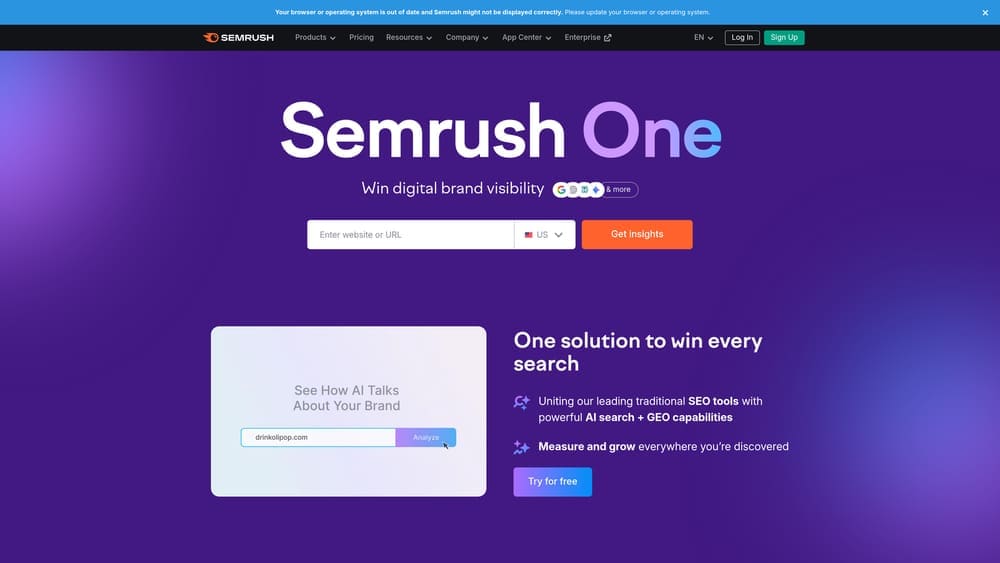
Start by listing your revenue-generating services in order of profitability. If content marketing and PPC management drive 60% of your revenue, you need a platform that excels at keyword research, content gap analysis, and ad intelligence. SEMrush integrates PPC competitive research and content marketing workflows into one interface, which reduces context-switching for teams handling both services.
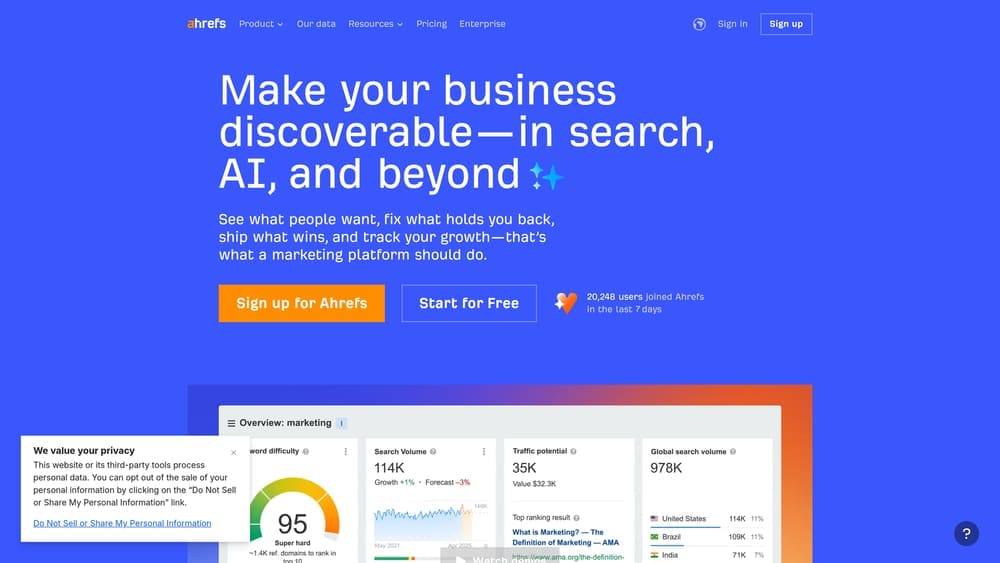
If link building and technical SEO audits are your bread and butter, Ahrefs’ backlink database and site audit features typically deliver more granular data. The platform’s link intersect tool and broken link finder are built specifically for agencies that sell link acquisition services.
For agencies offering local SEO services to small businesses, consider that both platforms have evolved their local features but may require supplementary tools for complete local citation management and review monitoring.
Implementation Steps
1. Create a spreadsheet listing your services by monthly recurring revenue, then note which platform features each service requires most frequently.
2. Survey your team about which tasks consume the most time weekly—keyword research, backlink analysis, rank tracking, or competitive intelligence—and weight your decision toward the platform that streamlines those specific workflows.
3. Run a one-week test using each platform’s free trial on actual client projects, tracking how much time each tool saves on your highest-revenue services.
Pro Tips
Don’t let flashy features distract you from workflow efficiency. The best platform is the one that makes your most profitable services faster to deliver. If you’re unsure which services will drive future growth, choose the platform that offers the most flexibility to add capabilities as your agency evolves.
2. Evaluate Client Reporting Requirements
The Challenge It Solves
Client reporting consumes hours every month that could be spent on revenue-generating work. Generic reports that don’t align with client expectations create unnecessary revision cycles and erode confidence. The platform you choose directly impacts whether reporting is a two-hour task or a two-day ordeal that delays other projects.
The Strategy Explained
SEMrush offers more robust white-label reporting with customizable templates that can be scheduled and automated. If you’re managing 15+ clients who expect monthly PDF reports with branded dashboards, SEMrush’s reporting infrastructure typically reduces manual work significantly. The platform allows you to create client-specific views that hide irrelevant data and focus on metrics that matter to each business owner.
Ahrefs has improved its reporting capabilities but remains more focused on data export and manual report building. This works well for agencies that prefer building custom reports in Google Slides or Data Studio, giving you complete control over presentation but requiring more hands-on time.
Consider your client sophistication level. Enterprise clients often want access to live dashboards they can check themselves, while local business owners typically prefer simple monthly PDFs that highlight progress without overwhelming detail.
Implementation Steps
1. Calculate how many hours your team currently spends on client reporting monthly, then estimate time savings with automated reporting versus manual data compilation.
2. Create a sample report in each platform using a real client’s data, timing how long it takes to build something you’d actually send to a client.
3. Show both sample reports to 2-3 clients and ask which format communicates progress more clearly—their feedback reveals whether white-label automation or custom presentation matters more to your client base.
Pro Tips
Time saved on reporting directly impacts profitability. If automated reporting saves each account manager 10 hours monthly, that’s 120 hours annually per person—equivalent to hiring additional capacity without payroll costs. Factor this into your ROI calculation beyond just subscription price.
3. Compare Backlink Database Quality for Your Niches
The Challenge It Solves
Backlink data accuracy varies dramatically across industries and website types. Choosing a platform based on overall database size means nothing if it underreports links in your specific client niches. Inaccurate backlink data leads to flawed link building strategies and missed opportunities to replicate competitor success.
The Strategy Explained
Ahrefs generally maintains a larger backlink index and updates it more frequently, which matters significantly for agencies focused on link building services. The platform’s crawler is aggressive and typically discovers new backlinks faster than competitors, giving you competitive intelligence advantages when monitoring rival campaigns.
However, database size doesn’t always translate to better data for your specific clients. E-commerce sites, local businesses, and B2B companies often have different link profiles that platforms index with varying accuracy.
The only way to know which platform serves your niches better is testing against actual client domains. You’ll often find that one platform consistently shows more accurate referring domain counts or discovers links the other misses in your vertical.
Implementation Steps
1. Select 5-10 client domains spanning your primary industries, then run backlink audits in both platforms side-by-side.
2. Cross-reference the backlink data by manually checking 20-30 links each platform reports—verify they actually exist and aren’t broken or removed.
3. Compare how each platform handles nofollow links, redirect chains, and link attributes relevant to your link building methodology.
Pro Tips
Pay attention to how each platform categorizes link quality and spam scores. If you’re selling link audits and disavow services, you need confidence in the platform’s ability to identify toxic links accurately. Test both platforms’ spam detection against known problematic backlink profiles before committing.
4. Assess Keyword Research Workflow Efficiency
The Challenge It Solves
Keyword research isn’t just about finding search volumes—it’s about how quickly your team can move from research to actionable content briefs. Clunky workflows between keyword discovery and content creation slow down your content marketing engine and reduce how many clients you can serve effectively.
The Strategy Explained
SEMrush integrates keyword research with content marketing workflows more seamlessly. The Keyword Magic Tool connects directly to topic research and SEO content templates, letting you move from keyword discovery to writer briefs without switching platforms. For agencies producing high volumes of content across multiple clients, this integration reduces friction significantly.
Ahrefs’ Keywords Explorer provides exceptional data depth and filtering options that appeal to SEO specialists who want granular control over keyword selection. The platform excels at identifying keyword difficulty accurately and showing SERP feature opportunities, but requires more manual work to transform research into content briefs.
Consider how your content team actually works. If you have dedicated SEO specialists who hand off detailed briefs to writers, either platform works. If account managers are doing keyword research and content planning simultaneously, workflow integration becomes crucial.
Implementation Steps
1. Map your current keyword research to content creation workflow, identifying every tool switch and manual data transfer between research and brief creation.
2. Time how long it takes to go from initial keyword research to a complete content brief in each platform, using a real client project as the test case.
3. Have team members who actually do keyword research daily test both platforms and vote on which interface feels more intuitive for your specific workflow.
Pro Tips
The platform that reduces clicks between research and action wins. If you’re exporting keyword lists to spreadsheets then manually building content briefs, you’re losing hours weekly. Choose the platform that keeps your team working in one environment from research through execution.
5. Calculate True Cost Per Team Member
The Challenge It Solves
Subscription pricing looks straightforward until you factor in how many team members need access, training time to reach proficiency, and API costs if you’re building custom reporting. Agencies often choose the cheaper option only to discover hidden fees from marketing agencies and tool providers that make the total investment higher than the premium alternative.
The Strategy Explained
SEMrush offers more collaborative features at lower pricing tiers, making it more cost-effective for agencies where multiple team members need simultaneous access. The platform’s user management allows you to create different permission levels, so junior team members can access specific tools without full account privileges.
Ahrefs charges per user seat, which becomes expensive quickly for larger teams. However, if only 2-3 senior SEO specialists need platform access and they’re training others using exported data, the per-seat model might actually cost less than paying for collaborative features you don’t use.
Don’t forget training costs. If your team already knows one platform, switching requires 20-40 hours of learning curve per person. That’s billable time you’re losing during the transition period.
Implementation Steps
1. List every team member who currently needs SEO tool access, categorizing them by how frequently they use the platform and which specific features they require.
2. Calculate total annual cost for each platform including all necessary seats, then add estimated training time valued at each person’s billable rate.
3. If you’re using API access for custom dashboards or automated reporting, get specific pricing from both platforms for your projected API call volume.
Pro Tips
Build a three-year cost projection, not just year one. Both platforms offer volume discounts and agency partner programs that reduce costs as you scale. Factor in how many clients you plan to add annually and whether the pricing model scales affordably with your growth trajectory.
6. Test Competitive Analysis Depth for Client Pitches
The Challenge It Solves
Winning new clients often depends on delivering competitor insights they haven’t seen before. Generic competitive analysis doesn’t differentiate your agency from competitors also pitching the same prospect. The platform that helps you uncover unique competitive intelligence directly impacts your close rate on new business.
The Strategy Explained
Both platforms excel at competitive analysis but approach it differently. SEMrush’s Traffic Analytics and Market Explorer tools provide broader competitive landscape views, showing you market share estimates and traffic distribution across competitor sets. This works exceptionally well for pitches where you need to position the prospect within their competitive ecosystem.
Ahrefs’ Site Explorer and Content Explorer dive deeper into specific competitor strategies, revealing exactly which content drives their traffic and which backlinks power their rankings. For pitches focused on replicating competitor success with specific tactics, Ahrefs typically provides more actionable intelligence.
The platform that helps you win more new business pays for itself quickly. If better competitive intelligence increases your close rate by even 10%, the revenue impact dwarfs subscription cost differences.
Implementation Steps
1. Recreate your last three new business pitches using each platform’s competitive analysis tools, comparing which one surfaces more compelling insights.
2. Run competitive audits on prospects you’re currently pursuing, then present findings internally to see which platform’s data tells a more persuasive story.
3. Track which competitive insights actually resonate in client conversations—backlink gaps, content opportunities, or traffic source analysis—then weight your decision toward the platform that delivers those insights most effectively.
Pro Tips
The best competitive analysis reveals opportunities competitors are missing, not just what they’re doing well. Test which platform helps you identify gaps in competitor strategies that your prospect could exploit. That’s what wins new business and justifies premium pricing.
7. Plan for Agency Scale and Client Growth
The Challenge It Solves
Choosing a platform that works for your current 10 clients but doesn’t scale to 50 clients means switching tools mid-growth, which disrupts operations and frustrates teams. Short-term thinking on tool selection creates long-term operational headaches that slow down the exact growth you’re trying to achieve.
The Strategy Explained
Both platforms offer agency partner programs with benefits that become more valuable as you scale. SEMrush’s partner program provides volume discounts, co-marketing opportunities, and dedicated support that matters when you’re managing dozens of client accounts. The platform’s white-label capabilities become increasingly valuable as client count grows.
Ahrefs focuses on product excellence over partnership perks, which works well for agencies that prioritize tool quality over vendor relationship benefits. The platform’s pricing structure is more straightforward with fewer tiers, making budgeting easier as you scale.
Consider your tech stack integration needs. If you’re building custom dashboards, automated reporting systems, or integrating SEO data with project management tools, API reliability and documentation quality matter significantly. Both platforms offer APIs, but implementation complexity and support quality differ. Understanding marketing automation for small business can help you evaluate which platform integrates better with your existing workflows.
Implementation Steps
1. Project your client count 12 and 24 months out, then calculate platform costs at those volumes using each vendor’s pricing tiers and partner program benefits.
2. List your current tech stack tools—CRM, project management, reporting platforms—and research which SEO platform integrates more seamlessly with your existing systems.
3. Contact both platforms’ agency partnership teams to understand what support, training, and co-marketing opportunities become available as you scale.
Pro Tips
The platform you choose becomes embedded in your operations. Switching later means retraining your entire team, rebuilding reporting templates, and potentially disrupting client deliverables. Choose with your three-year vision in mind, not just immediate needs. The slight premium you pay for better scalability returns dividends as you grow.
Making the Decision That Drives Results
The SEMrush vs Ahrefs decision ultimately comes down to how your agency operates day-to-day. Start by auditing your core services and client reporting needs—these two factors alone will likely point you toward the right choice.
For agencies heavily focused on content marketing, PPC integration, and comprehensive reporting, SEMrush typically delivers more value through its all-in-one approach and collaborative features. The platform reduces context-switching and streamlines workflows when you’re managing multiple marketing channels for clients.
For agencies where link building and technical SEO audits drive revenue, Ahrefs often proves more efficient with its superior backlink database and focused feature set. The platform excels at doing SEO-specific functions exceptionally well without the complexity of broader marketing tools you might not need.
The smartest agencies trial both platforms with real client work before committing. Use the free trials strategically—assign actual client projects to team members and measure which platform makes them more productive. Your team’s workflow efficiency matters more than any feature comparison chart.
Make this decision based on how each tool serves your clients’ results, because that’s what keeps agencies profitable and growing. The right platform doesn’t just provide data—it accelerates how quickly you turn insights into client wins. Learning how to track marketing ROI effectively will help you measure which platform actually delivers better outcomes for your clients.
Tired of spending money on marketing that doesn’t produce real revenue? We build lead systems that turn traffic into qualified leads and measurable sales growth. If you want to see what this would look like for your business, we’ll walk you through how it works and break down what’s realistic in your market.