You’re staring at your computer screen at 2 AM, wondering why your website isn’t getting the traffic you expected. You’ve written great content, your products are solid, but somehow you’re invisible to the people who need what you offer.
The problem isn’t your business – it’s that you’re speaking a different language than your customers. While you might call your service “digital marketing consultation,” your ideal clients are searching for “help with online advertising” or “marketing expert near me.” This disconnect is costing you customers every single day.
That’s where keyword research tools come in. These aren’t just fancy software programs – they’re your translation dictionary between what you think people want and what they’re actually typing into Google. The right tool reveals the exact phrases your customers use, shows you what your competitors are ranking for, and uncovers opportunities you never knew existed.
Here are the leading keyword research tools that actually work for real businesses in 2026. Whether you’re just starting out or looking to upgrade your current approach, you’ll find options that fit your budget and skill level.
1. Semrush
Best for: Comprehensive keyword research with competitive intelligence
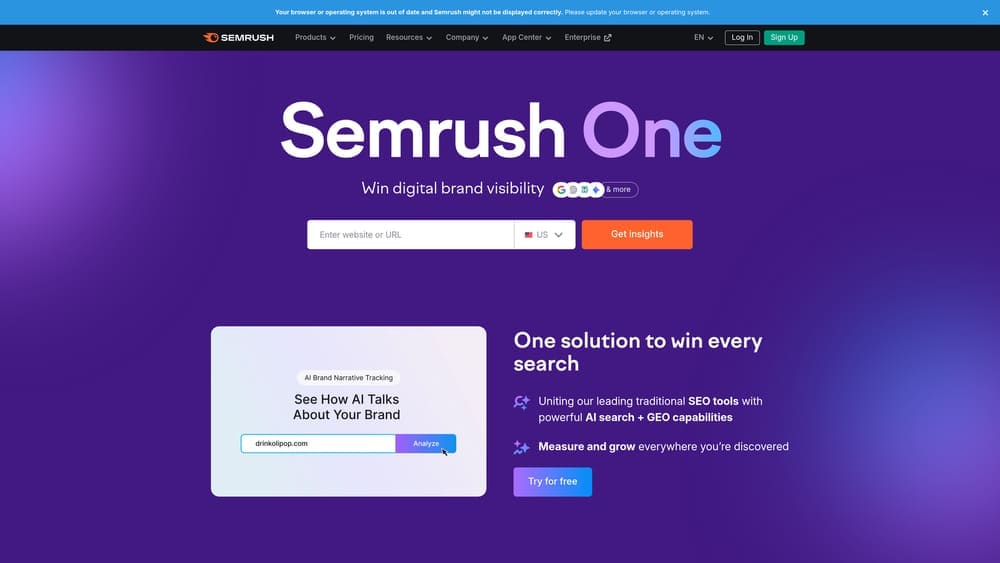
Semrush has become the go-to choice for businesses serious about understanding their market landscape through AI-powered marketing tools that drive growth across SEO, PPC, content, and social media.
Where This Tool Shines
Semrush excels at revealing the complete picture of your keyword opportunities. Unlike basic tools that just show search volume, you get difficulty scores, related keywords, and which pages currently dominate results.
The magic happens when you enter a competitor’s domain. Suddenly you can see their entire keyword strategy, including which terms drive their most valuable traffic. This competitive intelligence helps small businesses find gaps in the market where they can actually compete.
Key Features & Capabilities
Keyword Magic Tool: Access over 25 billion keywords with detailed metrics including search volume, difficulty, and intent classification.
Competitor Analysis: Discover exactly which keywords your competitors rank for and identify gaps in their strategy you can exploit.
SERP Feature Tracking: See which keywords trigger featured snippets, local packs, and other SERP features that affect click-through rates.
Content Gap Analysis: Identify keywords your competitors rank for that you’re missing, revealing immediate opportunities.
Local SEO Research: Find location-specific keywords that help local businesses connect with nearby customers.
Best For / Ideal Users
Perfect for small to medium businesses ready to invest in serious keyword research. Ideal if you want to understand your competitive landscape and need data-driven insights for content planning.
Works exceptionally well for businesses creating regular content who need to prioritize topics based on actual ranking potential rather than guesswork.
Pricing
Plans start at $129.95/month for the Pro plan, with a 7-day free trial available. While not the cheapest option, the depth of competitive intelligence and AI-powered insights justifies the investment for growing businesses. When planning your PPC campaigns, Semrush’s integration with Google Ads data helps you identify high-value keywords before spending ad budget.
2. Ahrefs
Best for: Deep keyword analysis with the largest backlink database
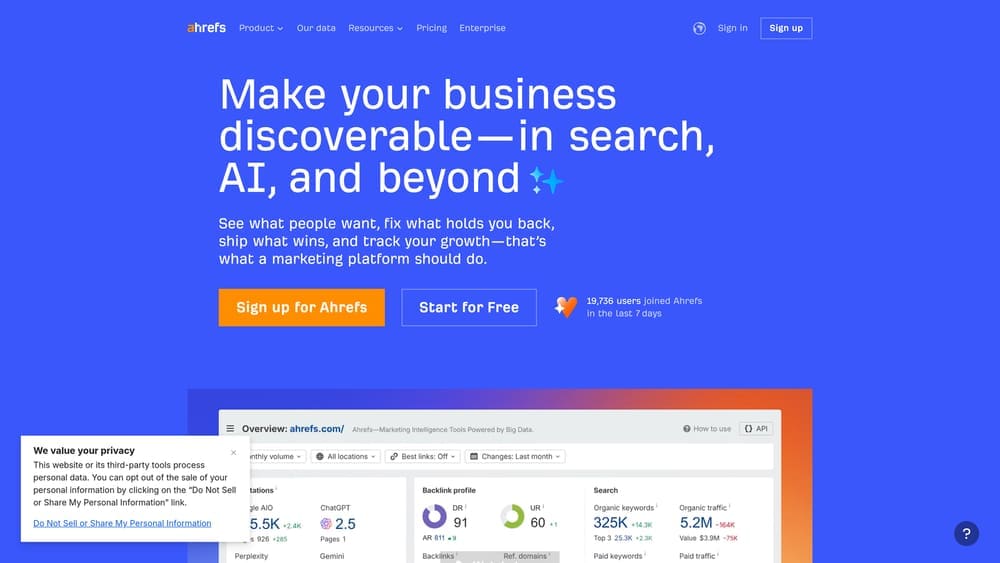
Ahrefs is a marketing platform for discoverability that helps marketers drive visibility across AI search, SEO, content, and social media, powered by the largest AI and search databases online.
Where This Tool Shines
Ahrefs excels at revealing the complete story behind keywords, not just the numbers. The Keywords Explorer provides detailed metrics including click-through rates for different SERP positions and traffic potential estimates that often differ significantly from raw search volume. What makes this particularly valuable is understanding that high search volume doesn’t always equal high traffic opportunity – SERP features and zero-click searches can dramatically reduce actual click potential.
The standout feature is the “Parent Topic” concept, which helps you understand whether you should target a specific keyword or focus on a broader topic that could rank for multiple related terms simultaneously. This shifts your thinking from isolated keyword targeting to building topical authority, which is how modern SEO actually works. The tool also excels at finding question-based keywords, perfect for creating FAQ content that captures voice search traffic and featured snippet opportunities.
Key Features & Capabilities
Keywords Explorer with 19.2 billion keyword database: Massive coverage across multiple languages and regions with regular updates.
Parent Topic clustering for content strategy: Identifies broader topics that rank for multiple related keywords, helping you create comprehensive content.
SERP overview showing ranking difficulty: Detailed analysis of current ranking pages including their backlink profiles and content quality.
Question keyword discovery: Surfaces question-based searches that align with voice search patterns and featured snippet opportunities.
Traffic potential vs. search volume metrics: Shows actual traffic opportunity rather than just search volume, accounting for SERP features.
Content gap analysis: Compares your site against multiple competitors to reveal keyword opportunities you’re missing.
Best For / Ideal Users
Perfect for content creators and businesses focused on organic search growth through regular publishing. Particularly valuable if you create blog content consistently and want to build topical authority rather than just targeting isolated keywords.
Also ideal for businesses that need to understand the relationship between keywords, content types, and backlink requirements. The tool works best when you have the capacity to create comprehensive, topic-focused content.
Pricing
Plans start at $129/month for the Lite plan, with a $7 seven-day trial available. The investment pays off quickly for businesses serious about content marketing and building long-term organic search visibility.
3. Google Keyword Planner
Best for: Free keyword research directly from Google’s data
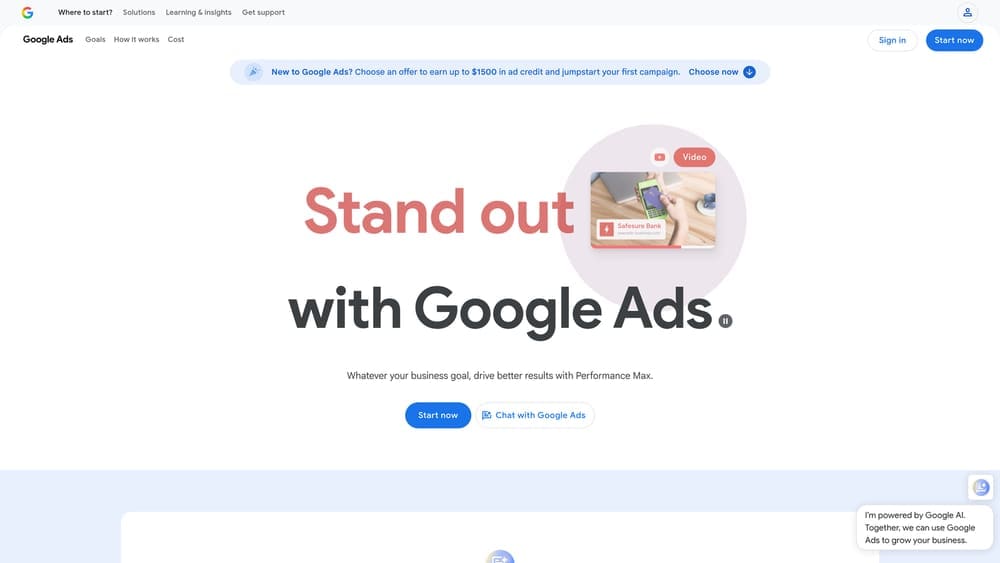
Google Keyword Planner is Google’s official keyword research tool, providing data straight from the source that powers the world’s largest search engine.
Where This Tool Shines
The biggest advantage here is simple: it’s completely free and the data comes directly from Google. While other tools estimate search volumes, Keyword Planner pulls from actual Google search data. Yes, you’ll see search volume ranges instead of exact numbers unless you’re running active ad campaigns, but those ranges still give you solid directional guidance for planning your content strategy.
The tool really shines for PPC campaign planning. You get bid estimates, competition levels for paid search, and seasonal trend data that helps you time your campaigns perfectly. Even if you’re focused purely on organic search, understanding which keywords have high advertiser competition tells you something important: those terms have commercial value.
Key Features & Capabilities
Free Access: No subscription fees, just a Google Ads account (you don’t need to run campaigns).
Keyword Discovery: Generate ideas based on your website URL or seed keywords you enter.
Search Volume Trends: See historical patterns and seasonal fluctuations to plan content timing.
Geographic Targeting: Filter by location to understand regional search patterns and local opportunities.
Competition Metrics: View advertiser competition levels that indicate commercial keyword value.
Bid Estimates: Get suggested bid ranges for Google Ads planning and budget forecasting.
Campaign Integration: Directly add keywords to Google Ads campaigns for seamless workflow.
Best For / Ideal Users
Perfect for small businesses just starting their keyword research journey who need reliable data without budget constraints. Particularly valuable if you’re planning Google Ads campaigns and need official Google bid estimates and competition data.
Also ideal for validating keyword ideas you’ve discovered through other tools, since this data comes straight from Google rather than third-party estimates.
Pricing
Completely free with a Google Ads account. You don’t need to spend money on ads to access the tool – just create an account and you’re ready to start researching.
4. Ubersuggest
Best for: User-friendly keyword research for beginners and small business owners
Ubersuggest makes professional keyword research accessible without the intimidation factor of enterprise tools.
Where This Tool Shines
Ubersuggest strips away the complexity that makes other tools overwhelming. When you search for a keyword, you get exactly what you need: search volume, SEO difficulty, paid difficulty, and cost-per-click data, all presented in a clean, scannable format.
The standout feature is the content ideas section. It shows you the most popular articles ranking for your target keyword, complete with social shares, backlinks, and estimated visits. This helps you understand not just which keywords to target, but what type of content actually performs well for those terms.
Key Features & Capabilities
Keyword Suggestions: Generates hundreds of related keyword ideas with search volume and difficulty scores.
Content Ideas Dashboard: Shows top-performing content for any keyword with social engagement metrics.
Competitor Analysis: Reveals which keywords competitors rank for and their estimated traffic.
Backlink Data: Displays backlink profiles for top-ranking pages to inform your link-building strategy.
Site Audit: Identifies technical SEO issues affecting your website’s performance.
Rank Tracking: Monitors your keyword positions over time to measure progress.
Chrome Extension: Provides instant keyword data while browsing any website.
Best For / Ideal Users
Perfect for small business owners managing their own SEO who want professional insights without the learning curve. Excellent for bloggers and content creators who need to understand what content performs before investing time in creation.
Also ideal for freelancers and consultants serving multiple clients who need an affordable tool that delivers solid data without overwhelming complexity.
Pricing
Offers a limited free plan with three searches per day. Paid plans start at $29/month, making it one of the most affordable comprehensive keyword research tools available.
5. Moz Keyword Explorer
Best for: Accurate keyword difficulty assessment and SERP analysis
Moz Keyword Explorer has earned its reputation through years of SEO research and algorithm analysis, making it particularly valuable for businesses that want to invest their time wisely.
Where This Tool Shines
Moz’s keyword difficulty score stands out because it doesn’t just look at surface-level metrics. The tool actually analyzes the pages currently ranking for your target keyword, examining their domain authority, page authority, and linking root domains. This means you’re not just getting a number – you’re getting an assessment of what it would realistically take to compete.
The SERP analysis feature breaks down each ranking page in detail, showing you exactly why Google favors those results. You’ll see which sites have strong domain authority backing them up, which pages have earned quality backlinks, and where potential weaknesses exist in the current rankings. This intelligence helps you decide whether to pursue a keyword or pivot to something more achievable.
Key Features & Capabilities
Priority Score: Combines multiple factors into a single metric that balances opportunity with difficulty.
Organic CTR Data: Shows expected click-through rates for different SERP positions, accounting for featured snippets and ads.
Keyword Suggestions: Generates related terms with relevance scoring to expand your targeting options.
SERP Feature Tracking: Identifies which SERP features appear for your keywords, like featured snippets or local packs.
Keyword Lists: Organize and categorize keywords for different campaigns or content themes.
Domain Authority Integration: Leverages Moz’s trusted DA metric to assess competitive landscape.
Best For / Ideal Users
Moz Keyword Explorer works best for businesses that want to focus their content efforts on keywords they can actually rank for. If you’ve wasted time creating content that never gained traction, this tool helps you avoid that frustration by showing realistic opportunities upfront.
It’s particularly valuable for small to medium businesses competing against established players. The detailed difficulty analysis helps you find the gaps where your domain can compete effectively, rather than throwing resources at impossible targets.
Pricing
The free plan includes 10 queries per month, which works for occasional research. Paid plans start at $99/month for the Standard plan, positioning it as a premium investment for serious SEO efforts.
6. KWFinder
Best for: Finding low-competition, long-tail keyword opportunities that smaller sites can actually rank for
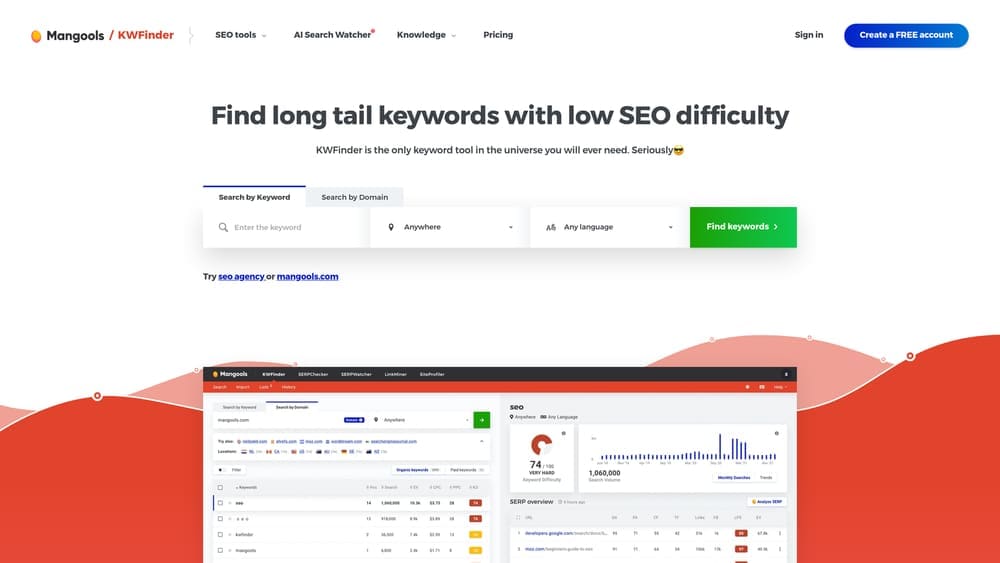
KWFinder specializes in helping businesses discover those golden keyword opportunities that bigger tools often overlook – the specific, intent-driven phrases that have decent search volume but won’t require an army of backlinks to rank for.
Where This Tool Shines
KWFinder’s superpower is finding long-tail keywords with low SEO difficulty. While other tools might show you high-volume keywords that would take years to rank for, KWFinder focuses on what you can actually achieve. The difficulty score is calibrated specifically for smaller websites, giving you realistic assessments rather than discouraging numbers that assume you have enterprise-level domain authority.
The tool excels at local SEO keyword research with city-level tracking capabilities. If you’re a local business trying to dominate your geographic area, KWFinder helps you find location-specific keywords that your neighbors are searching for but your competitors haven’t optimized for yet.
Key Features & Capabilities
Long-Tail Keyword Discovery: Surfaces specific, intent-driven phrases that convert well but aren’t on everyone’s radar.
Realistic Difficulty Scores: SEO difficulty metrics designed for smaller sites, not just enterprise domains.
Historical Search Data: Exact search volumes with trends showing seasonal patterns and keyword momentum.
Localized SERP Results: City-level tracking helps local businesses understand geographic search patterns.
Competitor Keyword Analysis: See what keywords competitors rank for and identify gaps in their strategy.
Mangools Suite Integration: Part of comprehensive SEO toolkit including rank tracking and backlink analysis.
Best For / Ideal Users
Perfect for new websites that need to build authority gradually with achievable wins. Ideal for local businesses targeting specific geographic areas where competition is more manageable.
Excellent for content creators who want to focus their efforts on keywords they can realistically rank for within months, not years.
Pricing
Plans start at $29/month for the Basic Mangools subscription, which includes KWFinder plus additional SEO tools. A 10-day free trial lets you test the platform before committing.
7. AnswerThePublic
Best for: Discovering question-based and conversational keywords that reveal exactly what your customers are asking
AnswerThePublic transforms keyword research from a numbers game into a window into your customers’ minds.
Where This Tool Shines
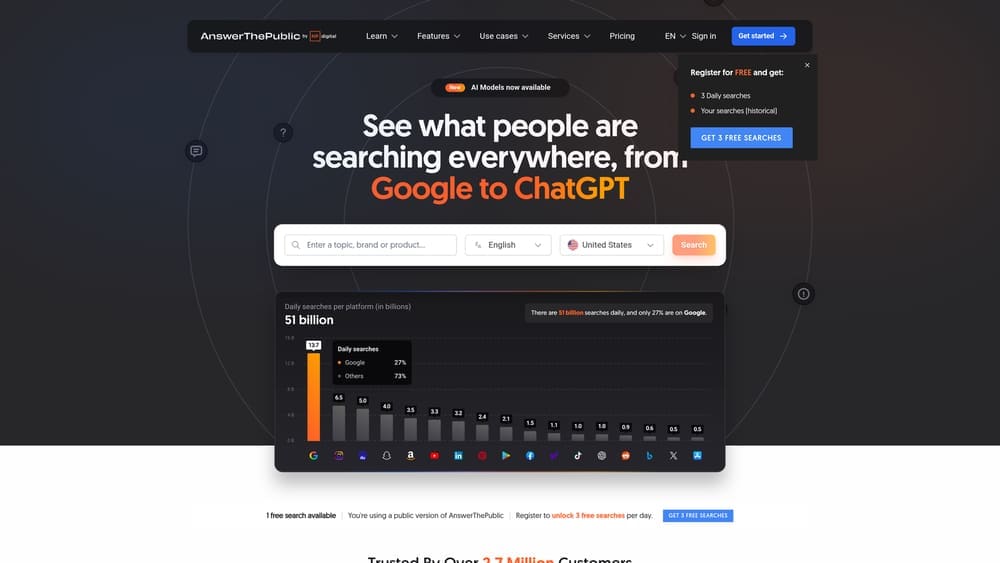
This tool excels at uncovering the natural language patterns your audience uses. When you enter a keyword, AnswerThePublic organizes results into question categories (what, why, how, when, where), prepositions (for, with, to), comparisons (versus, or, and), and alphabetical variations. This structure mirrors how people actually think about topics.
The visual presentation makes patterns instantly recognizable. You’ll spot clusters of related questions that reveal content gaps in your industry. For voice search optimization, this is invaluable—people speak searches differently than they type them, and AnswerThePublic captures that conversational tone perfectly.
Key Features & Capabilities
Question-Based Discovery: Organizes keywords by question type (what, why, how, when, where) to match user intent patterns.
Visual Keyword Maps: Presents data in intuitive wheel diagrams that make patterns and opportunities immediately visible.
Comparison Keywords: Reveals “versus” and “or” searches showing how customers evaluate options in your market.
Preposition Phrases: Uncovers natural language combinations like “for beginners” or “with examples” that indicate specific user needs.
Search Volume Integration: Pro version includes search volume data to prioritize high-opportunity questions.
Best For / Ideal Users
Perfect for content creators building FAQ sections, blog posts, and educational resources. Particularly valuable for businesses optimizing for voice search and those creating customer-focused content that answers real questions rather than just targeting keywords.
Pricing
Free version provides 3 searches per day. Pro plans start at $11/month for unlimited searches, CSV exports, and comparison data—making it one of the most affordable specialized keyword tools available.
Making the Right Choice
Choosing the right keyword research tool isn’t about finding the “best” one – it’s about finding the one that fits your specific needs, budget, and skill level.
If you’re just starting out, Google Keyword Planner and AnswerThePublic offer solid free options that help you understand the basics of how your customers search. For small businesses ready to invest in growth, Ubersuggest and KWFinder provide professional-grade insights at affordable prices – perfect if you want serious keyword research without enterprise complexity.
When you’re ready to compete at a higher level, Semrush and Ahrefs become invaluable. They provide the competitive intelligence and deep insights that can transform your marketing strategy. Moz Keyword Explorer sits in a unique position with some of the most accurate difficulty assessments available, helping you focus efforts on keywords you can actually rank for.
Remember, the best keyword research tool is the one you’ll actually use consistently. Start with your budget and skill level, then grow into more advanced tools as your needs evolve. Many successful businesses have built their entire content strategy using just one or two of these tools.
The key is to start somewhere and begin understanding your customers’ language. Once you have that foundation, you can always upgrade your tools as your business grows. Ready to take your digital marketing to the next level? Learn more about our services and discover how we can help you turn keyword insights into real business results.