The digital landscape has transformed how local businesses attract and convert new customers. Yet many business owners still struggle to cut through the noise and connect with buyers who are actively searching for their services. The difference between businesses that thrive online and those that merely survive often comes down to strategic, systematic customer acquisition—not random acts of marketing.
These nine strategies represent battle-tested approaches that consistently deliver measurable results for local businesses across industries. Each one addresses a specific challenge in the customer journey, from initial awareness to final conversion.
Whether you’re looking to generate more leads, reduce acquisition costs, or improve the quality of prospects entering your pipeline, you’ll find actionable tactics you can implement immediately.
1. Pay-Per-Click Advertising
The Challenge It Solves
Most local businesses struggle with the gap between when they need customers and when organic marketing efforts produce results. You can’t wait six months for SEO to kick in when you need qualified leads this week. PPC advertising bridges that gap by placing your business directly in front of people actively searching for your services right now.
The beauty of search advertising is the intent behind it. When someone types “emergency plumber near me” or “personal injury lawyer,” they’re not browsing—they’re ready to hire someone today.
The Strategy Explained
Pay-per-click advertising works by bidding on specific keywords that your ideal customers search for. When someone enters those terms into Google, your ad appears at the top of search results. You only pay when they click through to your website, making it a performance-based investment rather than traditional advertising spend.
The key is matching your ads to high-intent search queries while eliminating waste on irrelevant clicks. This requires ongoing optimization of keyword selection, ad copy, landing pages, and bid strategies. Many businesses waste significant budget showing ads to people who will never convert or paying too much per click for competitive terms.
Working with a Google Premier Partner Agency ensures your campaigns follow best practices and leverage advanced features that many local businesses never access on their own.
Implementation Steps
1. Identify your highest-value services and the exact phrases customers use when searching for them, focusing on terms that indicate immediate need rather than general research queries.
2. Create tightly themed ad groups where your keywords, ad copy, and landing pages all align around the same specific service, ensuring message consistency from search to conversion.
3. Set up conversion tracking to measure which keywords and ads actually produce leads and customers, not just clicks, then systematically eliminate underperforming elements while scaling what works.
Pro Tips
Start with exact match keywords for your most profitable services to control costs while you learn what converts. Use negative keywords aggressively to block searches from people looking for jobs, DIY solutions, or services you don’t offer. Test multiple ad variations simultaneously, and remember that your landing page matters more than your ad—a great ad sending traffic to a poor landing page wastes every dollar you spend.
2. Local SEO Domination
The Challenge It Solves
When potential customers search for services in your area, they’re seeing your competitors, not you. Local SEO addresses the visibility problem that keeps qualified prospects from ever discovering your business exists. Unlike paid advertising that stops the moment you stop paying, local search optimization builds compounding value over time.
The businesses that dominate local search results aren’t necessarily the best at what they do—they’re the best at signaling to Google that they’re relevant, trustworthy, and geographically appropriate for local searchers.
The Strategy Explained
Local SEO combines multiple elements that work together to improve your visibility in location-based searches. Your Google Business Profile serves as the foundation, but comprehensive local optimization extends to your website structure, citation consistency across directories, review signals, and locally relevant content.
Think of it as building evidence for Google that you’re not just a legitimate business, but the most relevant answer for local searches in your category. Every citation, review, and optimized page adds another piece of evidence to that case.
The businesses that win local search typically invest in this consistently over months and years, not as a one-time project. The advantage compounds because competitors who start later face an increasingly difficult climb to catch up.
Implementation Steps
1. Claim and fully optimize your Google Business Profile with accurate information, relevant categories, regular posts, and high-quality photos that showcase your actual work and location.
2. Build consistent citations across major directories, ensuring your business name, address, and phone number match exactly across every platform where you’re listed.
3. Create location-specific service pages on your website that address the exact searches people in your area use, incorporating neighborhood names and local landmarks naturally into valuable content.
Pro Tips
Your Google Business Profile description should include your target keywords naturally while explaining what makes you different from competitors. Respond to every review, positive or negative, because engagement signals matter to Google’s algorithm. Add new photos monthly to keep your profile active. Focus on earning reviews from customers who mention specific services by name, as these carry more weight than generic five-star ratings.
3. Conversion Rate Optimization
The Challenge It Solves
Most businesses focus obsessively on driving more traffic while ignoring the conversion leak in their existing funnel. You’re spending money to attract visitors who leave without contacting you, essentially paying for window shoppers instead of buyers. Conversion rate optimization fixes the hole in your bucket before you pour more water into it.
Doubling your conversion rate has the same revenue impact as doubling your traffic, but typically costs far less and happens much faster.
The Strategy Explained
CRO is the systematic process of testing changes to your website and landing pages to increase the percentage of visitors who take your desired action. This might mean requesting a quote, calling your business, or scheduling a consultation. The approach combines data analysis, user psychology, and controlled testing to identify what actually moves the needle.
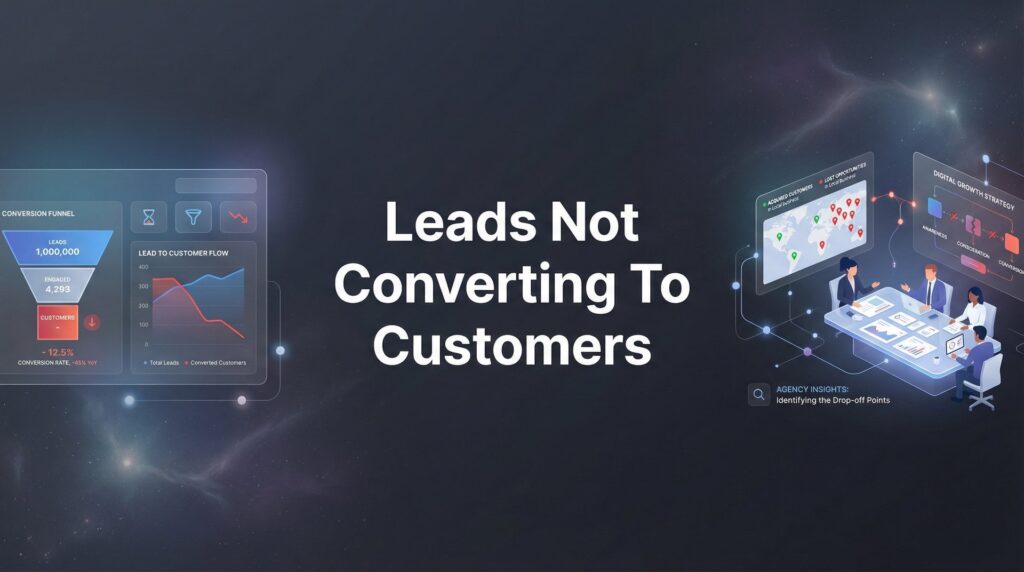
The best CRO programs start by identifying where visitors drop off in your conversion funnel, then forming hypotheses about why they’re leaving and what changes might keep them engaged. Every hypothesis gets tested through A/B testing, where you show different versions to different visitors and measure which performs better.
This isn’t about opinions or preferences—it’s about letting actual user behavior tell you what works. Sometimes the changes that produce the biggest lift are counterintuitive or contrary to conventional design wisdom.
Implementation Steps
1. Install heat mapping and session recording tools to watch how real visitors interact with your key pages, identifying confusion points, distractions, and elements they ignore completely.
2. Analyze your conversion funnel to pinpoint the exact step where most prospects abandon the process, then prioritize testing changes to that specific bottleneck rather than making random improvements.
3. Test one variable at a time with sufficient traffic to reach statistical significance, focusing first on high-impact elements like headlines, calls-to-action, and form length before optimizing minor details.
Pro Tips
The fastest wins usually come from reducing friction rather than adding persuasive elements. Simplify your forms, make your phone number clickable on mobile, and ensure your most important call-to-action appears above the fold. Test radical changes alongside incremental ones—sometimes a completely different approach outperforms minor tweaks to your existing design. Always test during normal business periods, never during holidays or unusual traffic spikes that skew results.
4. Social Media Advertising
The Challenge It Solves
Search advertising captures demand that already exists, but social media advertising creates demand by reaching prospects before they even know they need your service. This proactive approach expands your potential customer base beyond people actively searching right now, building awareness and consideration among audiences who match your ideal customer profile.
Many local businesses miss opportunities because they only market to people who already know what they need. Social advertising introduces your solution to people experiencing the problem but haven’t yet recognized it or started searching for help.
The Strategy Explained
Platforms like Facebook and Instagram allow incredibly precise targeting based on demographics, interests, behaviors, and even life events. You can reach homeowners in specific zip codes who recently moved, parents of teenagers, or people who engaged with competitors’ content.
The strategy works differently than search advertising because you’re interrupting people’s social browsing rather than answering their active queries. Your creative needs to stop the scroll, create instant relevance, and present a compelling reason to learn more—all within the first two seconds of exposure.
Successful social campaigns typically use a multi-stage approach: broad awareness campaigns to introduce your brand, retargeting to stay visible to engaged users, and conversion campaigns focused on people who’ve shown clear interest. This mirrors how people actually make buying decisions, which rarely happens from a single ad exposure.
Implementation Steps
1. Build custom audiences based on your best customers’ characteristics, creating detailed targeting parameters that reach similar people in your service area rather than casting a wide net to everyone.
2. Develop scroll-stopping creative that leads with a relevant problem or compelling result rather than your company name, using authentic photos or videos that look native to the platform instead of obvious advertisements.
3. Structure your campaigns in a funnel approach where cold audiences see awareness content, warm audiences get educational material, and hot audiences receive direct conversion offers with strong calls-to-action.
Pro Tips
Video consistently outperforms static images on social platforms, but your videos need to communicate value in the first three seconds before viewers scroll past. Test multiple audience segments simultaneously to discover which demographics actually convert, not just which ones engage with your content. Use lead forms native to the platform rather than sending cold traffic directly to your website—the lower friction typically produces more leads at lower cost, even if some quality drops slightly.
5. Content Marketing
The Challenge It Solves
Potential customers research extensively before making buying decisions, especially for high-consideration services. When they search for information and find only your competitors’ content, you’ve lost the opportunity to build trust and position yourself as the obvious choice. Content marketing captures attention during the research phase, long before someone’s ready to hire.
The businesses that consistently publish valuable content become the trusted authorities in their space, making the sale easier when prospects finally reach the decision stage.
The Strategy Explained
Content marketing means creating genuinely useful information that answers questions your prospects are asking at different stages of their journey. This might include blog posts, videos, guides, or tools that help people solve problems related to your services.
The key is matching content to search intent. Someone searching “how to fix a leaky faucet” wants DIY instructions, not a sales pitch. But someone searching “when to call a plumber for a leak” is evaluating whether to hire a professional—they’re much closer to becoming a customer. Your content strategy should address both types of searches, building awareness early while capturing high-intent prospects later.
Quality matters more than quantity. One comprehensive guide that thoroughly answers a common question will outperform ten shallow posts that barely scratch the surface. Search engines reward depth, and prospects remember brands that actually helped them understand complex topics.
Implementation Steps
1. Research the specific questions your prospects ask before hiring someone in your industry, using tools like Google’s “People Also Ask” feature and reviewing competitor content to identify gaps you can fill more comprehensively.
2. Create pillar content around your core services that serves as the definitive resource on that topic, then build supporting articles that address related subtopics and link back to your main guides.
3. Optimize every piece for both search engines and human readers by including target keywords naturally while prioritizing clarity and usefulness, then promote your best content through email and social channels to maximize its reach.
Pro Tips
Include clear calls-to-action in your content, but make them contextually appropriate—educational content should offer related resources or consultations, not hard sales pitches. Update your best-performing content annually to keep it current and maintain search rankings. Use your content to address the objections and concerns that typically slow down your sales process, essentially pre-selling prospects before they ever contact you. Track which content pieces actually generate leads and conversions, not just traffic, then create more content similar to what works.
6. Email Marketing Automation
The Challenge It Solves
Most prospects aren’t ready to buy the first time they discover your business. They need time to consider options, compare alternatives, and build trust before making a decision. Without a system to stay in touch, you lose these potential customers to competitors who remain visible during the consideration period.
Email automation solves the timing problem by nurturing leads over weeks or months until they’re ready to move forward, without requiring manual follow-up from your team.
The Strategy Explained
Email automation works by triggering specific message sequences based on prospect behavior and characteristics. When someone downloads a guide, requests a quote, or abandons a form, they automatically enter a series of emails designed to address their specific situation and move them closer to conversion.
The power comes from personalization at scale. You can send different messages to prospects based on which services they’re interested in, how they found you, and which emails they’ve opened or clicked. This creates the feeling of one-on-one communication while requiring minimal ongoing effort once your sequences are built.
Effective sequences balance education, social proof, and soft calls-to-action. Early emails focus on providing value and building credibility, while later messages introduce more direct conversion opportunities as trust develops.
Implementation Steps
1. Segment your email list based on how people joined it and what services they’ve shown interest in, ensuring each group receives relevant messages rather than generic broadcasts to everyone.
2. Build welcome sequences that introduce new subscribers to your business, establish your expertise, and set expectations for future communication, delivering immediate value rather than launching straight into sales messages.
3. Create nurture sequences for different service categories that educate prospects about common challenges, showcase your approach to solving them, and include social proof from similar customers who got results.
Pro Tips
Your subject lines determine whether emails get opened, so test different approaches and avoid spam triggers like excessive capitalization or misleading promises. Send emails from a person’s name rather than your company name to increase open rates. Include one clear call-to-action per email rather than multiple competing options. Monitor engagement metrics and automatically remove or re-engage subscribers who haven’t opened emails in several months. The best automation sequences feel personal and conversational, not robotic or overly salesy.
7. Strategic Retargeting
The Challenge It Solves
The vast majority of website visitors leave without converting on their first visit. They get distracted, want to compare options, or simply aren’t ready to commit yet. Without a way to bring them back, you’ve paid to attract traffic that produces no return. Retargeting recaptures these lost opportunities by keeping your business visible as prospects continue their research.
Think of retargeting as a second chance to convert visitors who’ve already shown interest in your services by visiting your website or engaging with your content.
The Strategy Explained
Retargeting works by placing a tracking pixel on your website that adds visitors to custom audiences. You can then show these people targeted ads across Google’s display network, YouTube, Facebook, Instagram, and other platforms as they browse the web or use social media.
The sophistication comes from segmenting your audiences based on behavior. Someone who visited your pricing page should see different ads than someone who only read a blog post. Someone who abandoned a contact form is much closer to converting than someone who bounced from your homepage after five seconds.
Effective retargeting campaigns use sequential messaging that evolves based on time and engagement. Early ads might reinforce your key differentiators, middle-stage ads could showcase testimonials or case studies, and late-stage ads might offer limited-time incentives to overcome final hesitation.
Implementation Steps
1. Install retargeting pixels from Google and Facebook on your website, then create custom audiences for different pages and behaviors so you can show relevant ads based on what people viewed.
2. Build audience segments that separate visitors by intent level, creating different ad experiences for high-intent prospects who viewed service or pricing pages versus low-intent visitors who only consumed blog content.
3. Develop ad creative specifically for retargeting that acknowledges prior visits and addresses common objections, using social proof and urgency to encourage prospects to take the next step.
Pro Tips
Set frequency caps to avoid annoying prospects with excessive ad exposure—showing the same person your ad twenty times per day creates negative brand associations. Exclude people who’ve already converted so you’re not wasting budget advertising to existing customers. Use dynamic retargeting to show people the specific services they viewed rather than generic ads. Test different attribution windows to find the optimal balance between staying top-of-mind and respecting privacy concerns. The best retargeting feels helpful rather than creepy, reminding prospects of value rather than stalking them across the internet.
8. Review and Reputation Management
The Challenge It Solves
Potential customers trust peer reviews more than any marketing message you could create. When prospects research your business and find few reviews, outdated reviews, or unaddressed negative feedback, they choose competitors with stronger social proof. Reputation management transforms your satisfied customers into your most effective marketing asset.
The businesses that dominate their markets typically have both quantity and quality of reviews that make the buying decision feel safe and obvious.
The Strategy Explained
Reputation management is the proactive process of encouraging satisfied customers to leave reviews while addressing negative feedback professionally and quickly. This isn’t about manipulation or fake reviews—it’s about making it easy for happy customers to share their experiences and demonstrating your commitment to customer satisfaction when issues arise.
Most satisfied customers never think to leave a review unless prompted at the right moment. A systematic approach requests feedback immediately after service delivery when satisfaction is highest and the experience is fresh. The key is making the process frictionless with direct links to your preferred review platforms.
Responding to reviews, both positive and negative, signals to prospects that you’re engaged and care about customer experience. Your responses become part of your marketing message, showcasing your professionalism and approach to service.
Implementation Steps
1. Create a systematic process for requesting reviews from every satisfied customer, sending requests via email or text within 24-48 hours of service completion when satisfaction is highest and the experience is memorable.
2. Make leaving a review as easy as possible by providing direct links to your Google Business Profile and other key platforms rather than generic instructions that require customers to search for you.
3. Monitor all review platforms daily and respond to every review within 24 hours, thanking customers for positive feedback and addressing concerns in negative reviews with solutions rather than defensiveness.
Pro Tips
Focus your review generation efforts on Google first since those reviews appear in search results and maps, carrying the most weight for local businesses. When responding to negative reviews, take the conversation offline quickly by providing contact information and inviting the customer to discuss the issue directly. Never argue with reviewers publicly or make excuses—acknowledge their experience and explain how you’ll prevent similar issues. Showcase your best reviews on your website and in marketing materials to maximize their impact beyond the review platforms themselves.
9. Referral Programs
The Challenge It Solves
Your best customers know other people who need your services, but they rarely think to make referrals unless prompted and incentivized. Referral programs systematize word-of-mouth marketing, transforming your customer base into an active acquisition channel that produces high-quality leads at minimal cost.
Referred customers typically convert at higher rates, spend more, and stay longer than customers acquired through other channels because they come pre-sold by someone they trust.
The Strategy Explained
A structured referral program makes it easy and rewarding for customers to recommend your business. This typically involves offering incentives to both the referrer and the new customer, creating a win-win situation that motivates action.
The most effective programs balance the incentive value against your customer acquisition costs. If you typically spend $200 to acquire a customer through advertising, offering a $50 credit to customers who refer someone represents significant savings while providing meaningful value to participants.
Success requires more than just creating the program—you need to actively promote it to your customer base and make the referral process frictionless. Customers should be able to refer friends with a simple link or code, not by filling out forms or jumping through hoops.
Implementation Steps
1. Design an incentive structure that provides real value to participants while maintaining profitability, considering both monetary rewards like discounts or credits and non-monetary benefits like priority service or exclusive perks.
2. Create simple referral mechanisms such as unique links, codes, or cards that customers can easily share, ensuring the process requires minimal effort from the referrer and clearly communicates the benefit to potential new customers.
3. Promote your referral program consistently through multiple channels including post-service follow-ups, email signatures, invoices, and social media, reminding customers regularly that you welcome and reward referrals.
Pro Tips
Launch your referral program to your best customers first, personally inviting your most satisfied clients to participate and asking for feedback on the program structure. Make the reward immediate and automatic rather than requiring customers to wait weeks or jump through administrative hoops to claim their incentive. Track referral sources carefully to identify your most valuable referrers and consider offering special recognition or enhanced rewards to top advocates. Test different incentive structures to find what motivates your specific customer base—some audiences respond better to discounts, others to cash rewards, and some to exclusive experiences or access.
Building Your Acquisition Engine
The businesses that dominate their markets don’t rely on a single acquisition strategy—they build integrated systems where multiple channels work together, each reinforcing the others. Your PPC campaigns drive immediate leads while your content marketing builds long-term organic visibility. Your social advertising creates awareness that makes your retargeting more effective. Your reputation management strengthens every other channel by providing the social proof that converts consideration into action.
The question isn’t which strategy to choose, but how to prioritize based on your current situation and resources.
If you need leads immediately and have budget to invest, start with PPC advertising and strategic retargeting. These channels produce results quickly while you build longer-term assets. If you’re working with limited budget but can invest time, focus on local SEO and content marketing that compound in value over months and years.
Regardless of where you start, conversion rate optimization should be an early priority. There’s no point driving more traffic if your current visitors aren’t converting. Fix the leak before you turn up the faucet.
As you scale, layer in email automation to nurture leads who aren’t ready to buy immediately, and implement reputation management to strengthen social proof across all channels. Social media advertising and referral programs become increasingly valuable as your brand awareness grows and your customer base expands.
The most important principle is measurement. Track not just traffic and leads, but actual revenue generated from each channel. Calculate your true customer acquisition cost including all the time and money invested. This data tells you where to double down and where to cut back.
Many local businesses struggle with customer acquisition because they’re trying to manage too many channels without the expertise or time to optimize any of them properly. They’re running PPC campaigns without proper conversion tracking, publishing content that never ranks, and managing social ads that generate engagement but no leads.
Tired of spending money on marketing that doesn’t produce real revenue? We build lead systems that turn traffic into qualified leads and measurable sales growth. If you want to see what this would look like for your business, we’ll walk you through how it works and break down what’s realistic in your market.
The difference between marketing that feels like an expense and marketing that drives growth is systematic execution across proven channels. These nine strategies work, but only when implemented with the expertise, tools, and consistent optimization that most businesses can’t maintain internally while running their core operations.
Want More Leads for Your Business?
Most agencies chase clicks, impressions, and “traffic.” Clicks Geek builds lead systems. We uncover where prospects are dropping off, where your budget is being wasted, and which channels will actually produce ROI for your business, then we build and manage the strategy for you.